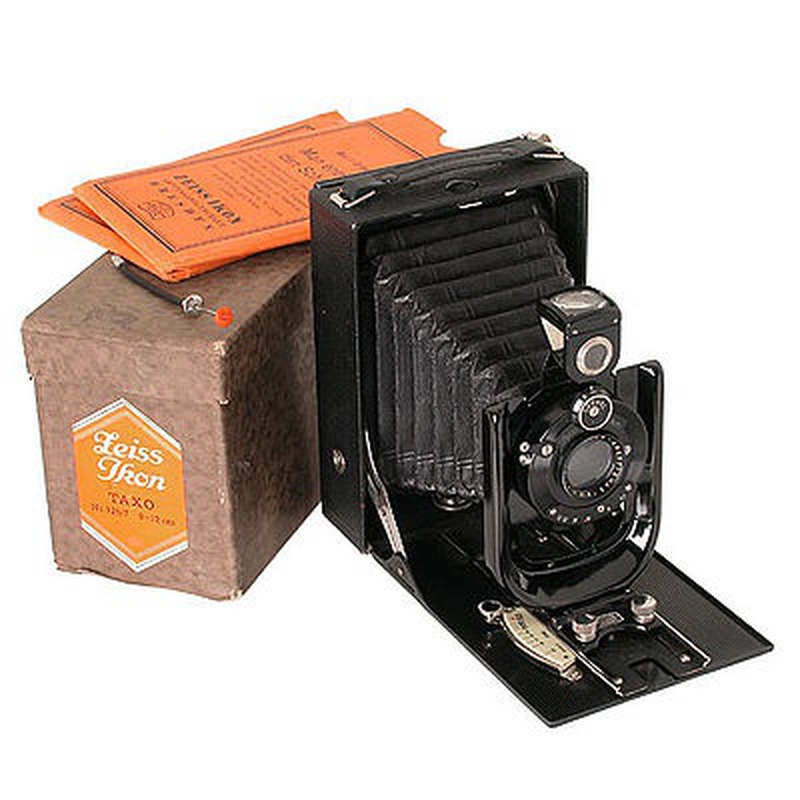
Zeiss Taxo 126/7
Zeiss · Germany · 1927–1931 (4 years) · 135 film
The Taxo 126/7 represents Zeiss's significant early entry into the burgeoning 35mm still camera market during the late 1920s. Produced from 1927 to 1931, this camera utilized the now-standard 135 film cartridge, placing it alongside pioneering efforts like the Leica I in defining the modern 35mm format. While the specific design details are less documented than Zeiss's later Contax models, the Taxo line, including this 126/7 variant, was part of Zeiss's strategic response to Leica's dominance. It featured a relatively compact body for the era, likely employing focal plane shutters characteristic of early 35mm cameras, and was designed for serious photography enthusiasts seeking a portable alternative to larger formats. Its existence underscores Zeiss's commitment to developing smaller, high-quality cameras despite the challenges of the period.
As a product of the renowned optical and manufacturing firm Carl Zeiss Jena, the Taxo 126/7 inherited a reputation for precision engineering and optical quality, even if its overall design wasn't as groundbreaking as contemporaneous Leicas. Its production period coincided with a critical phase in 35mm camera development, where manufacturers were refining concepts that would shape the industry for decades. While not achieving the iconic status of Leica or the later Contax, the Taxo 126/7 holds a place as a notable example of Zeiss's early 35mm experimentation and a tangible piece of pre-World War II photographic technology.
Specifications
| Film Format | 135 |
/main.jpg)
/main.jpg)
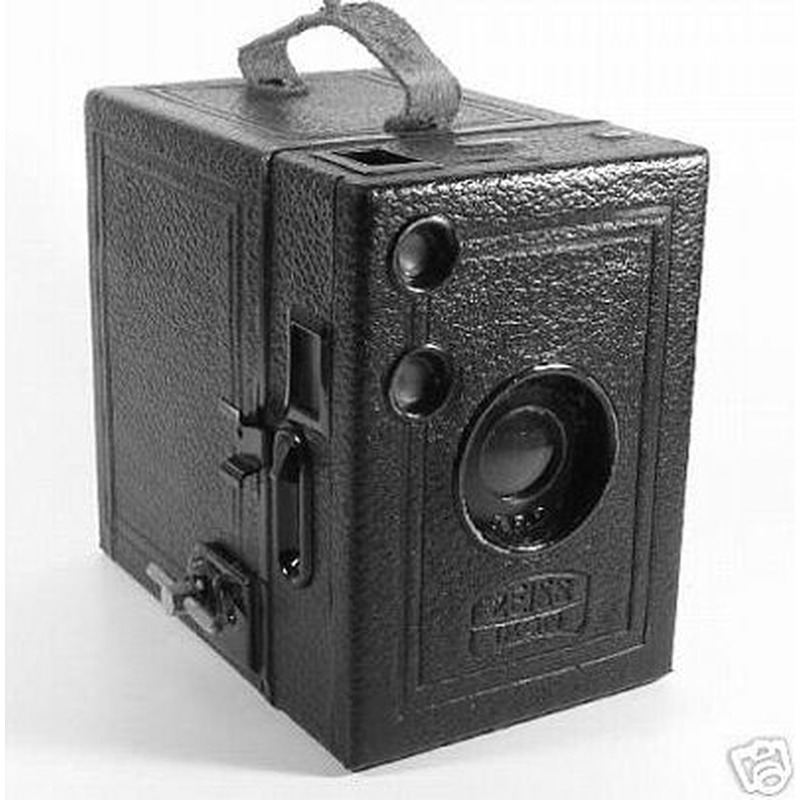
/main.jpg)
/main.jpg)
 Enjoy this museum? Support on Ko-fi