Pricing
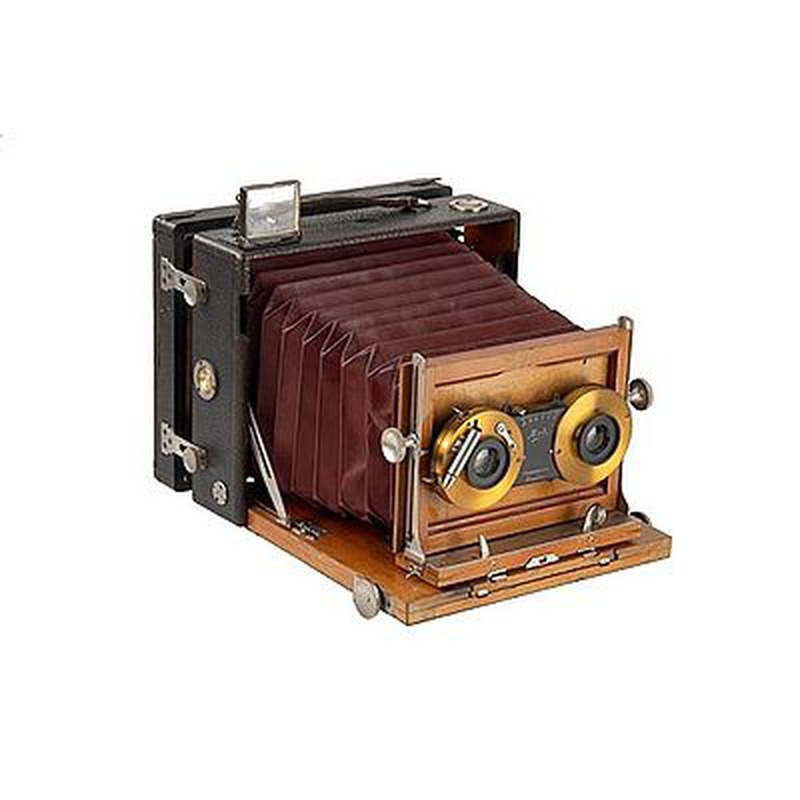
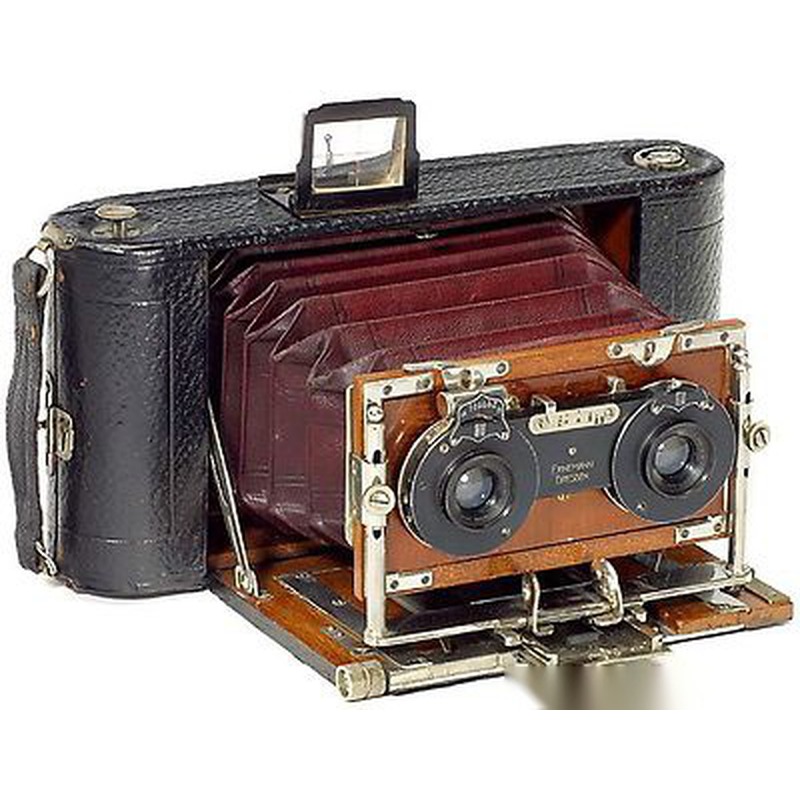
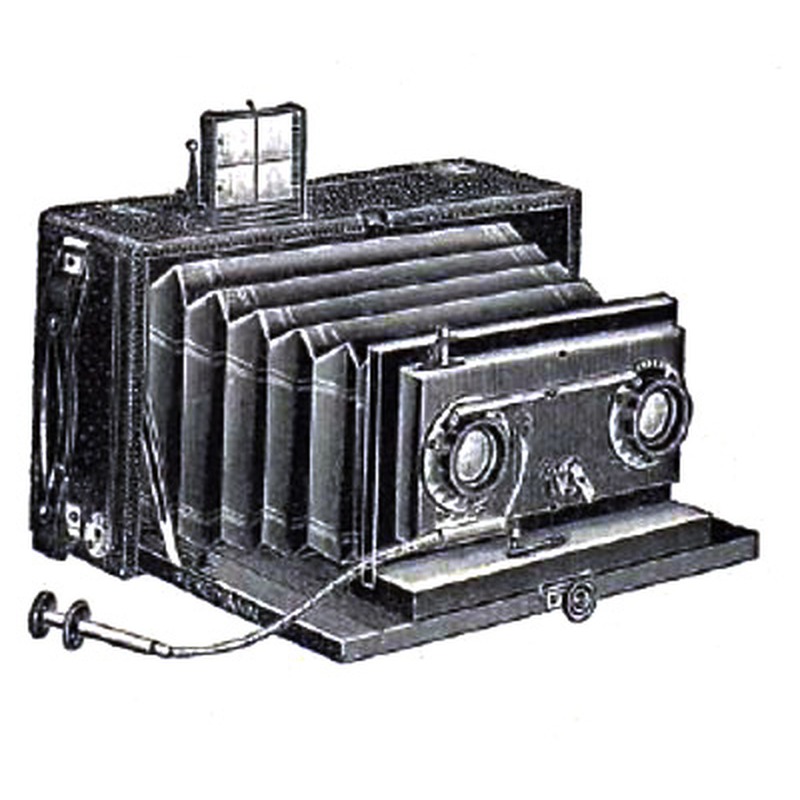
Ernemann Stereo-Röntgen
Ernemann · Germany · 1904 · 135 film
The Ernemann Stereo-Röntgen, introduced in 1904, represents an early application of what would become the standard 135 format in photography. As one of the first cameras to utilize 35mm film, it played a significant role in the evolution of portable photography that would eventually dominate the market decades later. The name "Stereo-Röntgen" suggests the camera may have been designed for stereoscopic imaging or potentially medical applications, as "Röntgen" refers to Wilhelm Röntgen, the discoverer of X-rays. This specialized positioning would have distinguished it from contemporary cameras and potentially limited its market to scientific or technical professionals rather than general photographers.
From a design perspective, the Stereo-Röntgen likely featured a compact form factor suitable for the 35mm format, though specific details about its construction, lens system, or operational mechanisms are not well-documented. Ernemann, known for their quality German engineering, would have incorporated precision manufacturing into this early attempt at miniaturization. The camera's introduction came during a period of significant innovation in photography, as manufacturers experimented with smaller formats and more portable equipment that would ultimately lead to the rise of 35mm as the standard for both amateur and professional photography in the mid-20th century.
Specifications
| Film Format | 135 |
/main.jpg)
/main.jpg)
 Enjoy this museum? Support on Ko-fi