Pricing
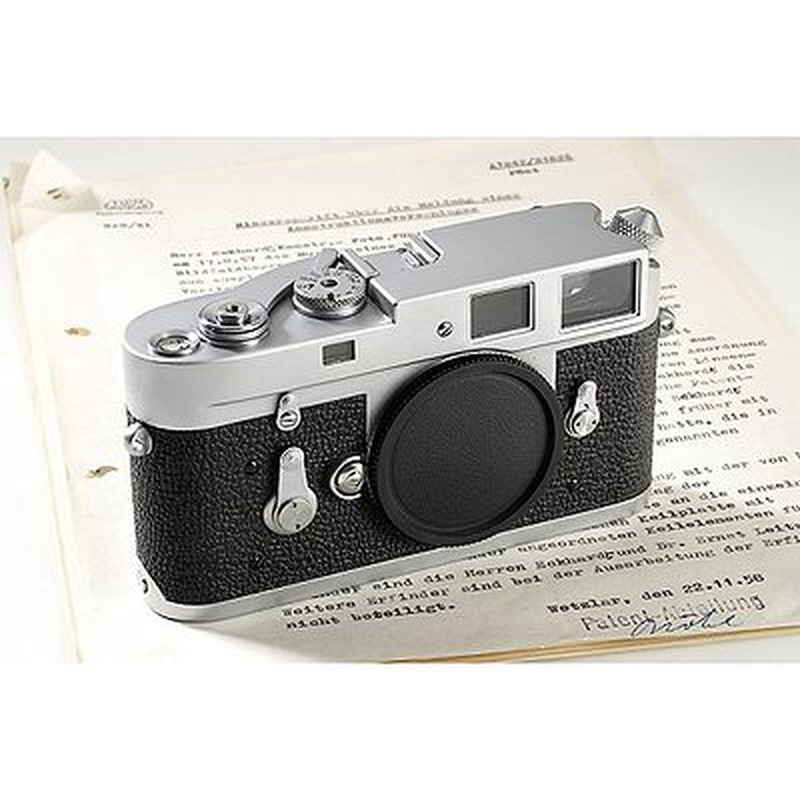
Leica M Prototype
Leica · Germany · 1953–1958 (5 years) · 135 film
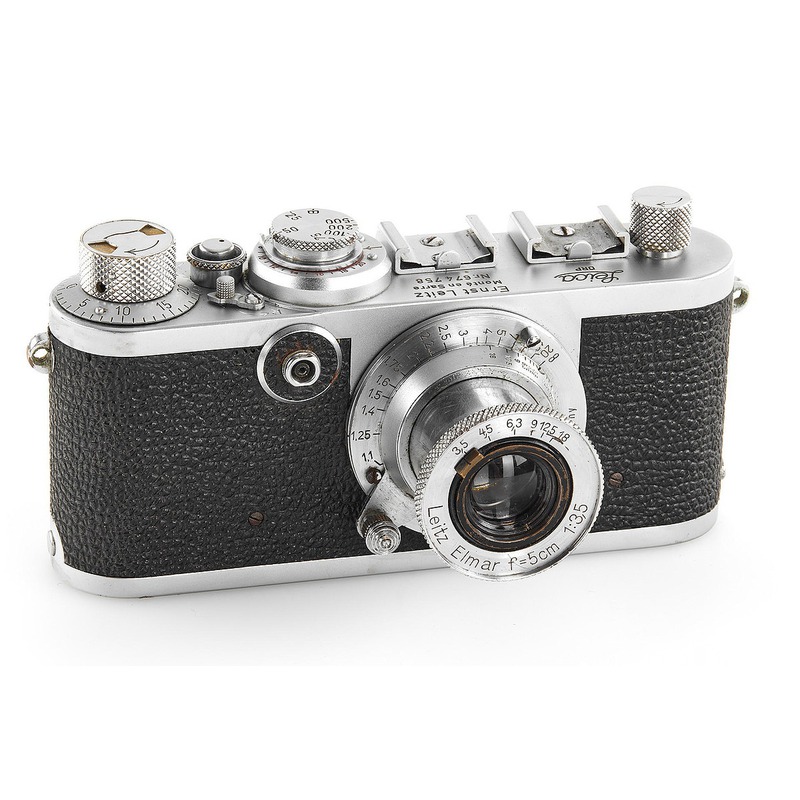
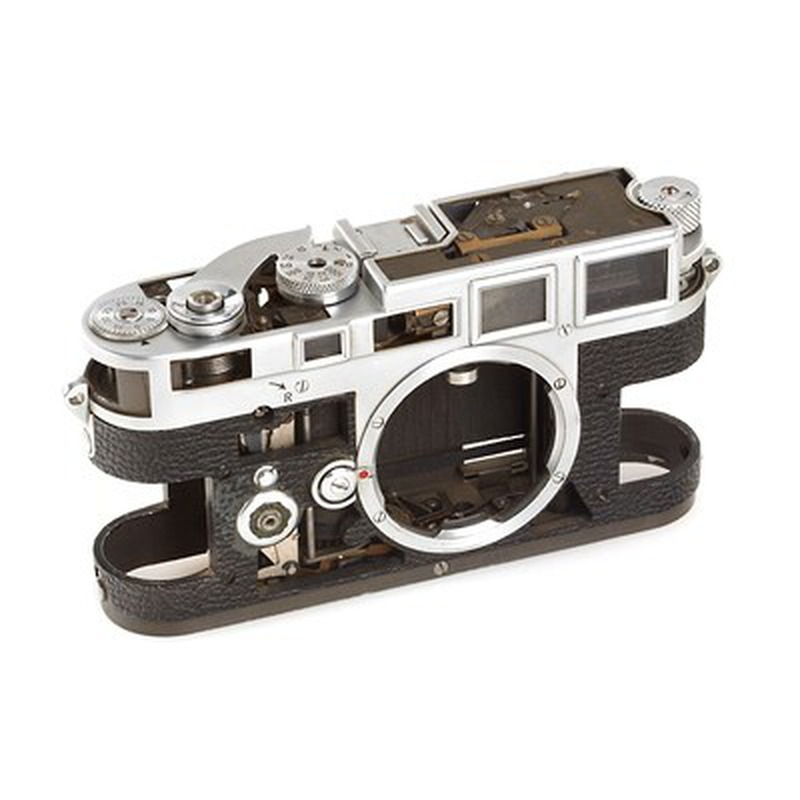
Based on the existing information and known Leica history, the Leica M Prototype is a critical developmental artifact representing the transitional phase between Leica's iconic screw-mount cameras and the revolutionary bayonet-mount M system. Produced around 1953 (likely preceding the 1954 introduction of the M3), this prototype served as Leica's initial testing ground for the core innovations that defined the M series: a combined bright-line viewfinder and rangefinder with parallax correction, a faster, more accurate rangefinder mechanism, and the groundwork for the compact M bayonet lens mount. While its specific features remain unknown due to its prototype status, its existence underscores Leica's commitment to refining the 35mm rangefinder format in response to market pressures and technological advancements. It represents the essential bridge between the classic Leica III and the paradigm-shifting M3, making it a key piece of evidence in the evolution of 35mm photography.
Though not a production camera, the M Prototype holds significant value as a tangible link to Leica's most successful product line. Its development directly informed the specifications and user experience of the M3, a camera widely regarded as one of the most influential and beautifully designed 35mm cameras ever made. Prototypes like this are exceptionally rare, with surviving examples likely being unique or limited test pieces. They offer invaluable insight into Leica's meticulous design process, showcasing the engineering refinements and ergonomic considerations made before a camera reached mass production. As such, it stands as an important, though less documented, milestone in Leica's history.
Specifications
| Film Format | 135 |
/main.jpg)
/main.jpg)
/main.jpg)
/main.jpg)
 Enjoy this museum? Support on Ko-fi