/main.jpg)
Pricing
Kodak Retina IIIc (021 I)
Kodak · USA · 1954–1957 (3 years) · 135 film
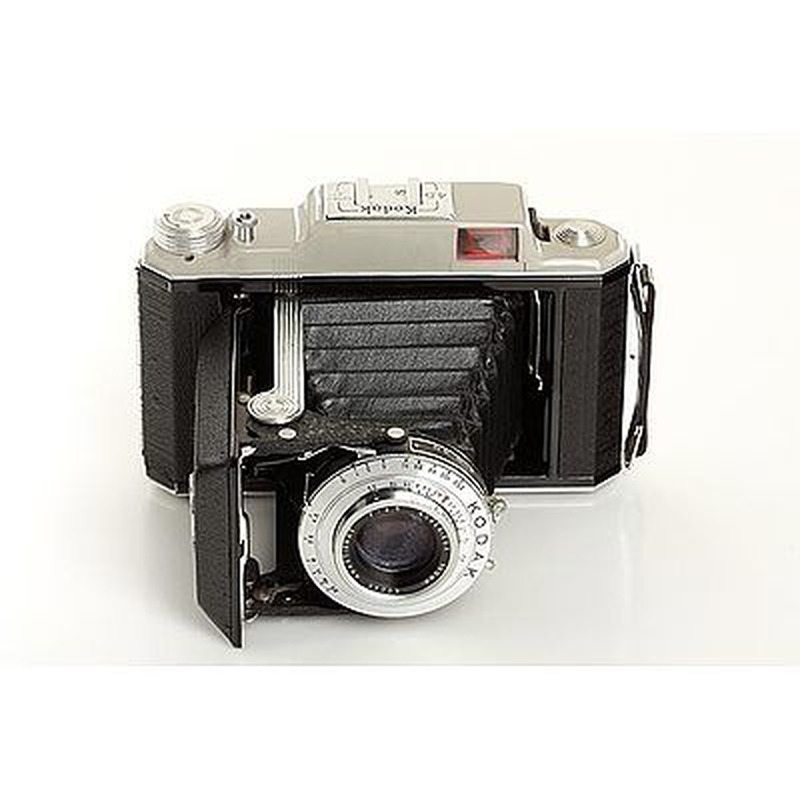
The Retina IIIc (021 I) represents Kodak's continued commitment to the 35mm format during the mid-1950s, positioned as a more accessible alternative to high-end German rangefinders like the Leica III series. Building upon the successful Retina lineage dating back to the 1930s, this model integrated a coupled rangefinder and built-in exposure meter into a compact, folding-body design, making sophisticated 35mm photography more attainable for enthusiasts. Its key features included a Compur-Rapid shutter offering speeds from 1 to 1/500 second, coupled to a three-element Kodak Anastigmat 50mm f/2.8 lens, providing excellent image quality for the era. While sharing the innovative folding bellows mechanism of its predecessors for portability, the IIIc incorporated a hinged film door and lever film advance, streamlining operation compared to earlier folding models. It served as a practical and well-engineered tool for discerning amateur photographers seeking reliable performance without the premium cost or bulk of contemporary professional cameras.
Although not revolutionary in design, the Retina IIIc was significant for solidifying Kodak's presence in the 35mm market and demonstrating that high-quality cameras could be mass-produced outside of Germany. Its reliable construction and user-friendly features made it a popular choice among serious amateurs and photojournalists in the 1950s, contributing to the broader adoption of the 35mm format for both artistic and documentary work. The model represents a crucial stepping stone in Kodak's evolution towards more modern, fixed-body 35mm cameras that would follow later in the decade, marking a point where folding cameras began to yield to more rigid designs while still embodying the precision expected from quality film cameras of the period.
Specifications
| Film Format | 135 |
 Enjoy this museum? Support on Ko-fi