Pricing
Exakta Pionier
Exakta · Germany · 1927–1936 (9 years) · 135 film
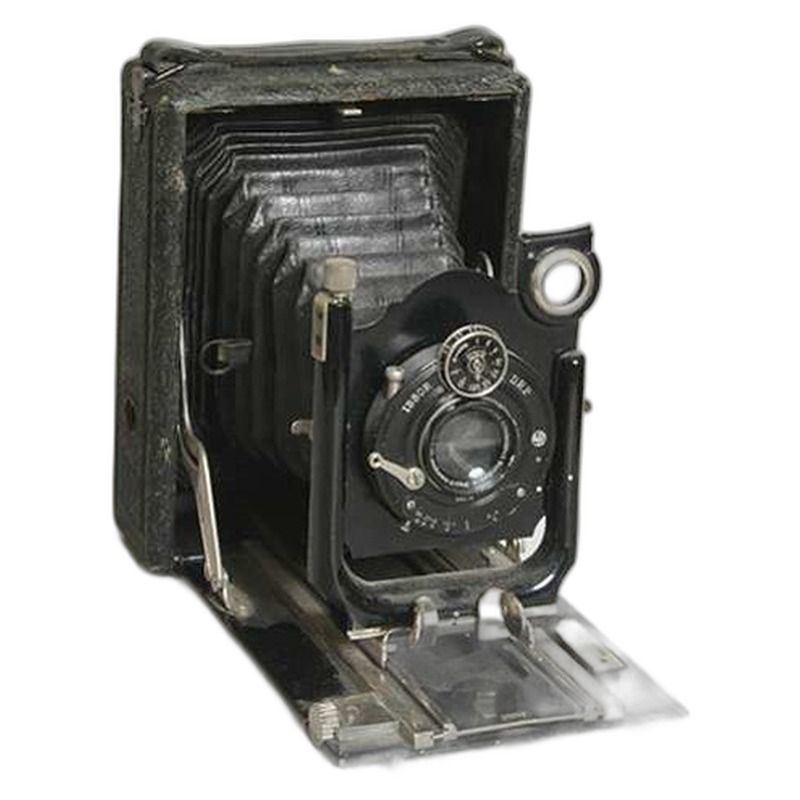
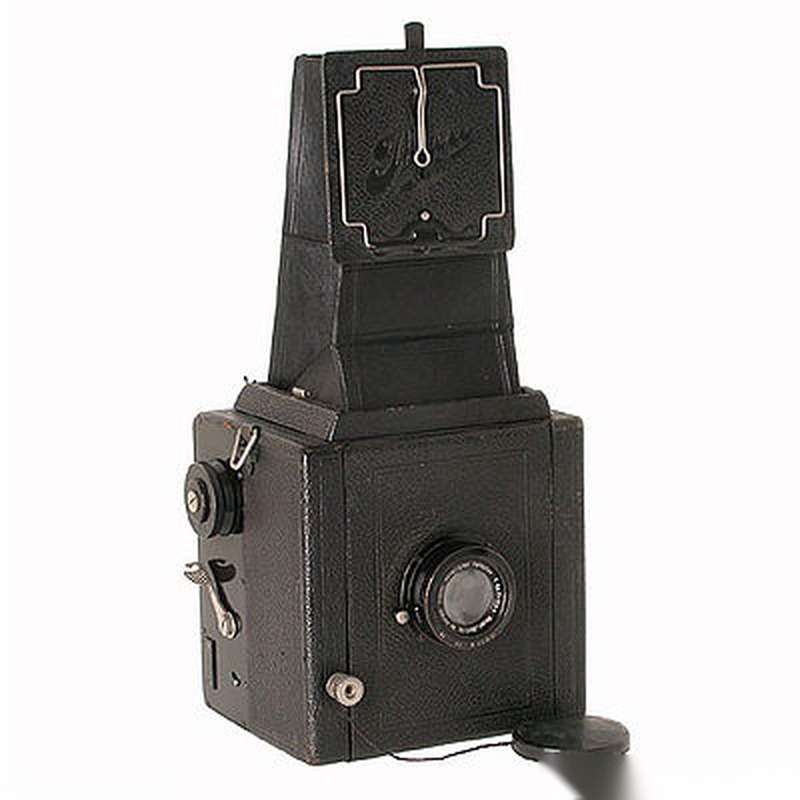
The Exakta Pionier holds a significant place as one of the earliest commercially successful 35mm (135) format cameras, produced by Ihagee Kamerawerk in Dresden from 1927 to 1936. It emerged during the crucial formative years of small-format photography, preceding Exakta's later, more famous single-lens reflex (SLR) designs. While simpler than the subsequent iconic Exakta VSLR models, the Pionier was a robust and functional camera, typically featuring a fixed or limited selection of lenses, a coupled rangefinder for focusing, and a focal-plane shutter. Its construction was solid, reflecting Ihagee's engineering heritage, and it helped establish the practicality and potential of 35mm photography for enthusiasts before the format exploded in popularity. The Pionier represents an important step in Exakta's evolution and the broader adoption of the 135 cartridge.
As a foundational 35mm camera, the Pionier is characterized by its straightforward, no-nonsense design, prioritizing reliability and ease of use over complex features. It lacked the interchangable lens systems that would define Exakta's later success, instead offering a fixed lens or a small range of options. Its significance lies in its early role in making high-quality 35mm photography accessible to a wider audience, contributing to the shift away from larger formats like rollfilm. While not achieving the legendary status of some contemporaries, the Pionier is a well-regarded early example of Exakta's work and a tangible piece of 35mm history, demonstrating the company's early commitment to this promising format.
Specifications
| Film Format | 135 |
/main.jpg)
/main.jpg)
/main.jpg)
 Enjoy this museum? Support on Ko-fi