Pricing
Canon IV
Canon · Japan · 1951–1952 (1 years) · 135 film
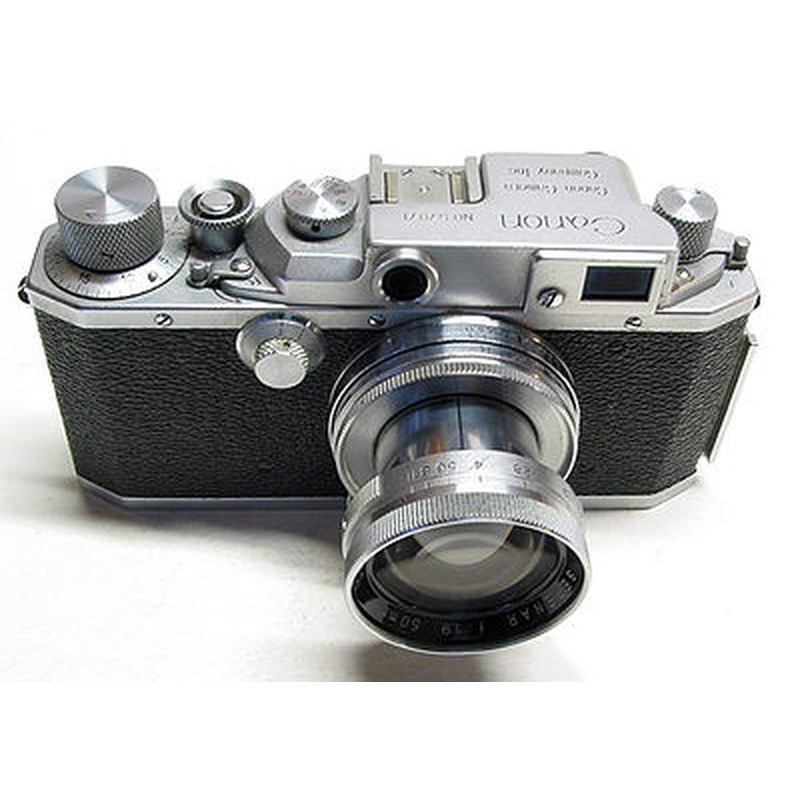
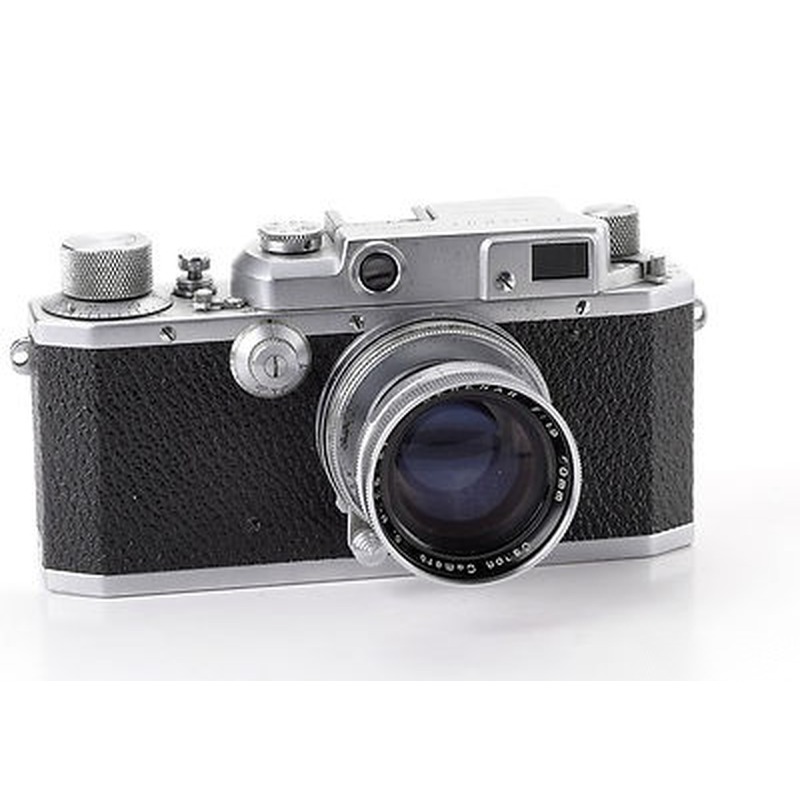
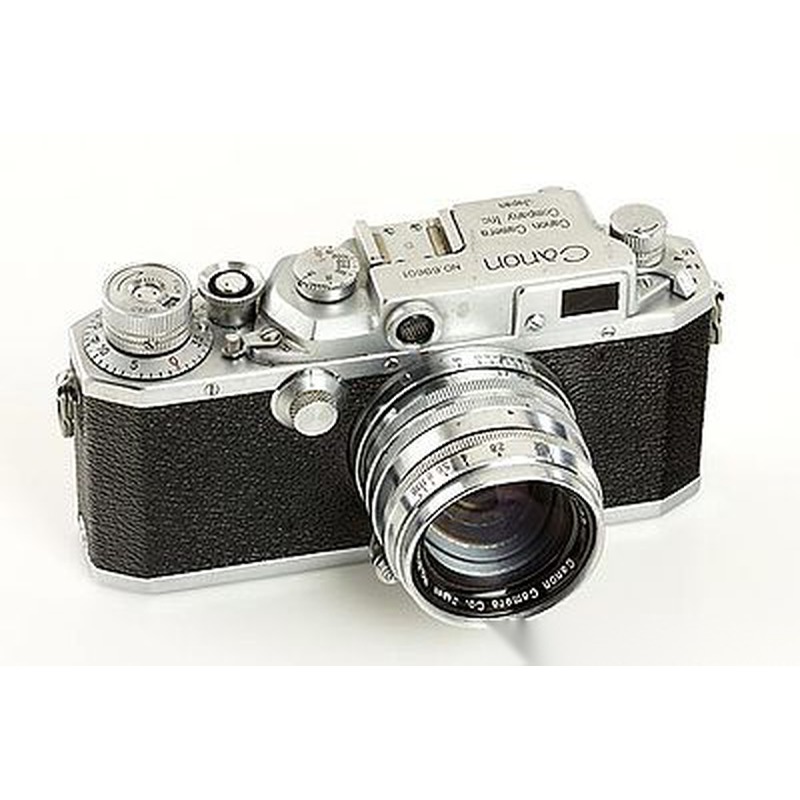
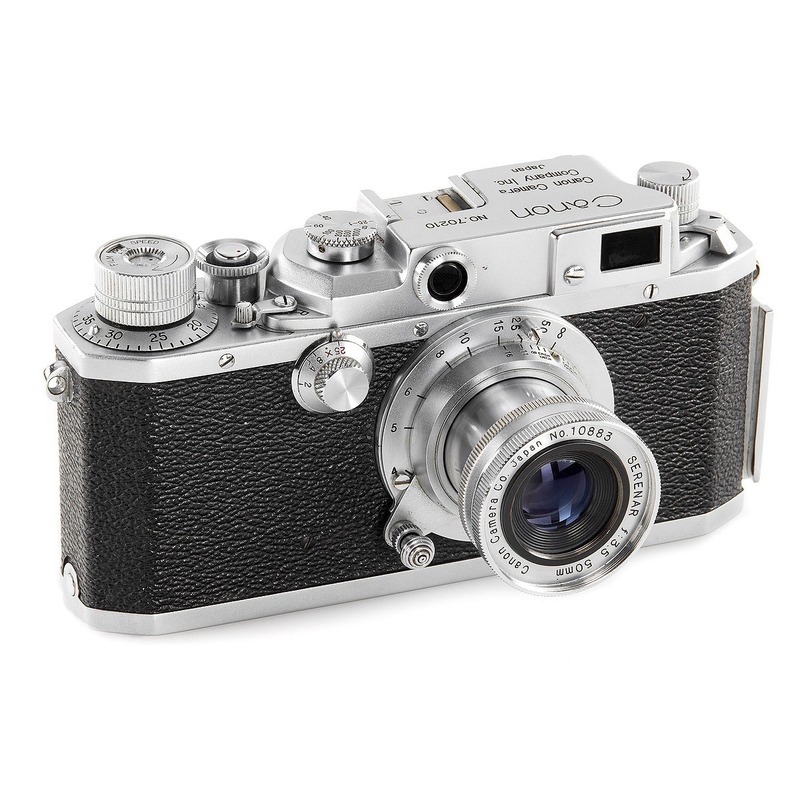
The Canon IV, produced from 1951 to 1952, represents Canon's early post-war efforts to establish themselves in the competitive 35mm rangefinder camera market. As a direct successor to models like the Canon III, the IV featured a coupled rangefinder system for precise focusing, a Canon Serenar 50mm f/3.5 lens, and a cloth focal plane shutter with speeds ranging from 1 second to 1/500th. The camera incorporated a film advance lever and a rewind knob, reflecting the standard features of mid-range rangefinders of that era. Designed primarily for serious amateur photographers, the Canon IV embodied Canon's growing confidence in their optical and mechanical capabilities after the challenges of World War II.
In the broader landscape of 1950s photography, the Canon IV positioned Japanese manufacturing against established European brands while offering reliable functionality at a competitive price point. Its relatively brief production run of just one year suggests it served as a transitional model, with Canon quickly refining their rangefinder design in subsequent models. The camera represents an important but understated chapter in Canon's development, demonstrating their commitment to precision engineering while adapting to post-war economic realities. Though not revolutionary, the IV helped lay the foundation for Canon's eventual emergence as a dominant force in the photographic industry.
Specifications
| Film Format | 135 |
/main.jpg)
/main.jpg)
/main.jpg)
 Enjoy this museum? Support on Ko-fi