/main.jpg)
Pricing
ICA Toska (215 - 9x12)
ICA · Germany · 1910–1926 (16 years) · 135 film
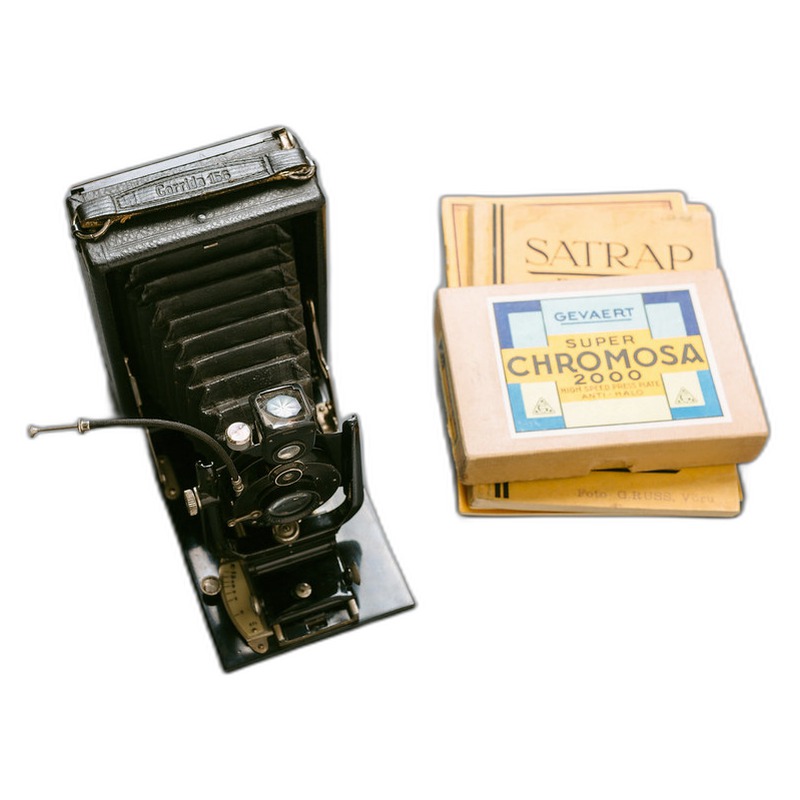
The Toska (215 - 9x12) represents an early and significant attempt by the prominent German manufacturer ICA (Industrie- und Camera-Actiengesellschaft) to establish a viable 35mm camera system, predating the iconic Leica by several years. Produced from 1910 to 1926, it utilized the nascent 135 film format, known then as 35mm perforated cine film, adapting it for still photography in a relatively compact package. As one of the earliest commercially available 35mm still cameras, it holds a place in the history of photography's evolution towards miniature formats, marking a crucial step before the Leica's ultimate popularization. While specific details about its exact features, type (likely a small folding or box camera given the era and format), and widespread adoption remain scarce due to its age and the unknown type designation, its production period and the use of 35mm film firmly position it as a noteworthy early player in the development of portable small-format photography.
ICA, formed through mergers of several important camera makers like Hüttig and Dr. Rudolph, was a significant force before its integration into Zeiss Ikon in 1926. The Toska 215 - 9x12 underscores ICA's ambition to innovate and compete in the emerging market for smaller, more portable cameras. Its existence highlights the technological experimentation and foundational work happening within the German optical industry during this period, paving the way for the miniature camera revolution that would accelerate later in the 1920s. While it lacks the groundbreaking status of later legends, its production span and pioneering role within 35mm still photography make it a historically relevant artifact.
Specifications
| Film Format | 135 |
/main.jpg)
/main.jpg)
/main.jpg)
/main.jpg)
 Enjoy this museum? Support on Ko-fi