/main.jpg)
Miranda Auto Sensorex EE-2 (black)
Miranda · Japan
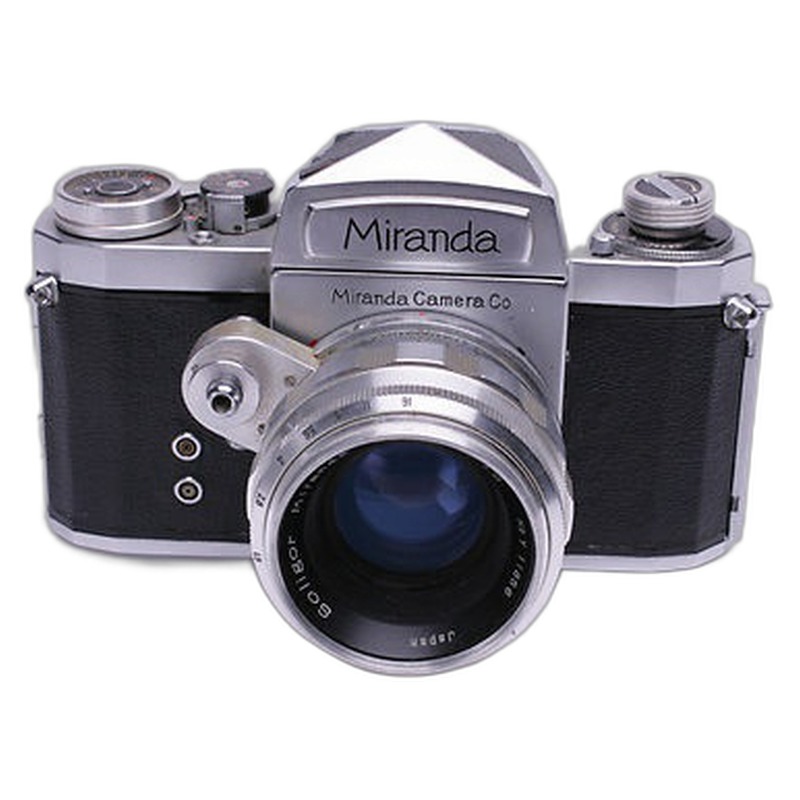
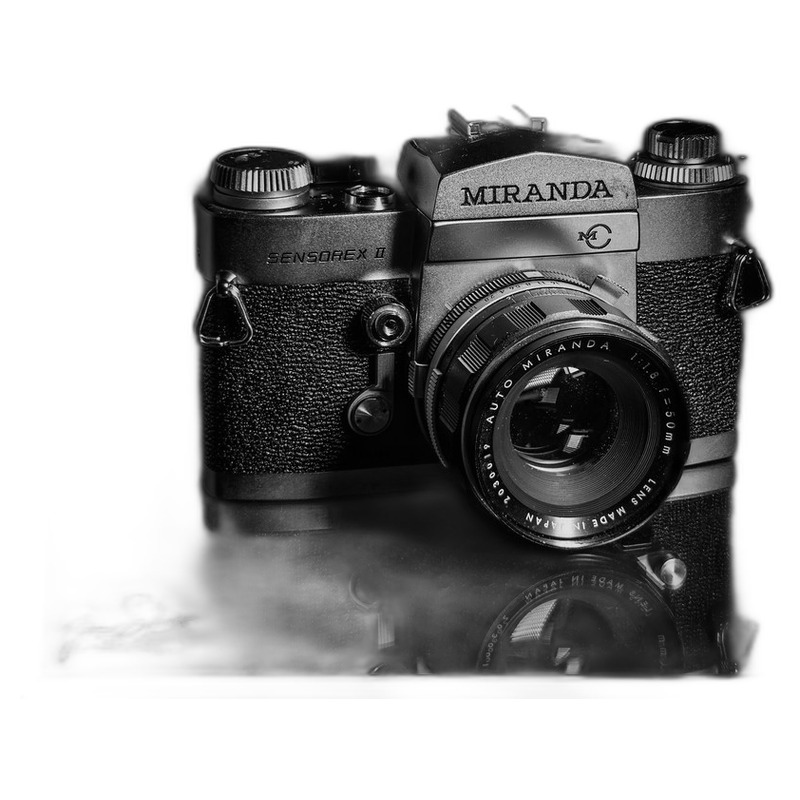
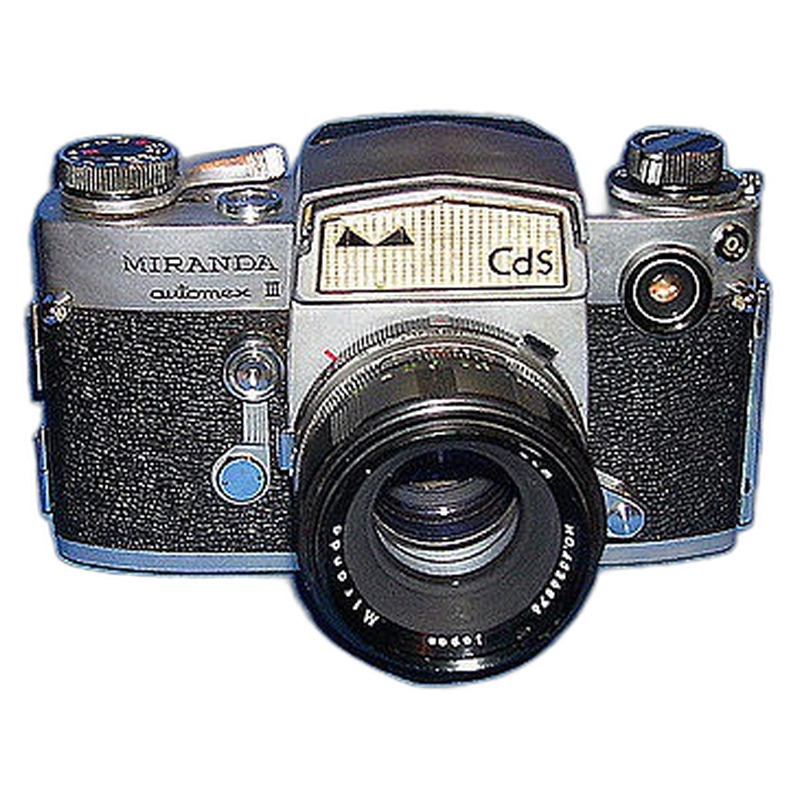
The Miranda Auto Sensorex EE-2 represents a mid-tier effort in the competitive single-lens reflex market of the late 1960s and early 1970s. As part of Miranda's "Auto Sensorex" line, it featured electronic exposure automation, a significant technological advancement at the time aimed at simplifying photography for enthusiasts. Mirandas were known for offering many professional features, like the separate CdS light meter cell and full aperture-preferred automatic exposure mode, at a more accessible price point compared to the dominant brands like Nikon and Canon. However, the brand struggled against the giants and eventual market consolidation, limiting its long-term influence. The EE-2, particularly in black finish, offered a compact and relatively sophisticated package for photographers seeking automation without the premium cost.
While incorporating electronic automation, the EE-2 retained Miranda's characteristic robust, all-metal construction and interchangeable lens mount, catering to users who appreciated tangible build quality. It filled a niche for photographers wanting more control than fixed-lens compacts but without the manual exposure demands of fully professional SLRs, though it never achieved the widespread acclaim or innovation that defined cameras like the Nikon F or Pentax Spotmatic. Its significance lies primarily as a representative example of mid-range Japanese SLR engineering during the transition to automation, rather than as a revolutionary design.
/main.jpg)
/main.jpg)
/main.jpg)
 Enjoy this museum? Support on Ko-fi