_Prototype/main.jpg)
Pricing
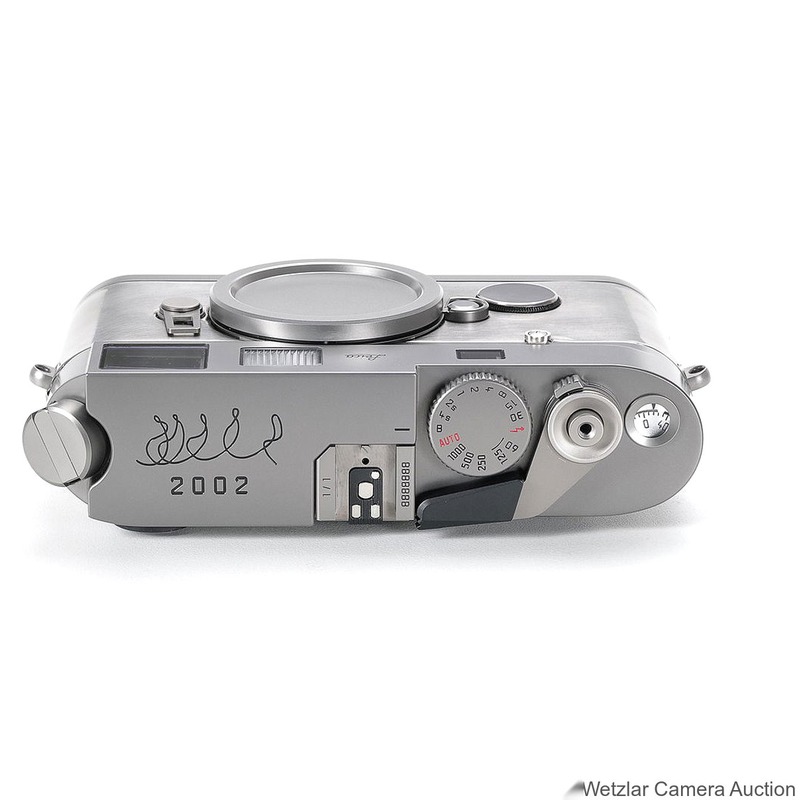
Leica M6 A (M7) Prototype
Leica · Germany · 2002 · 135 film
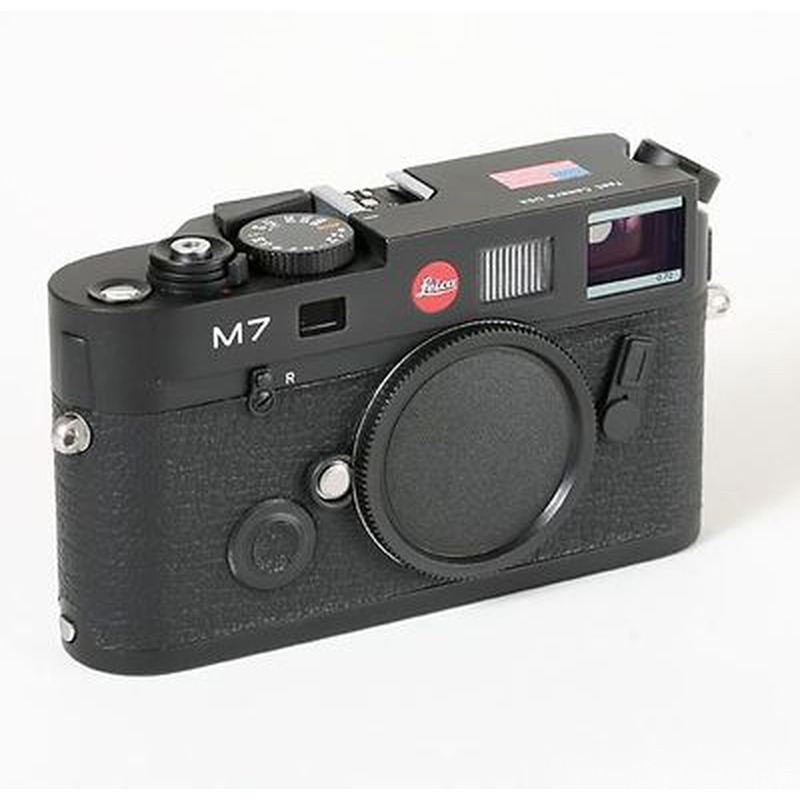
The Leica M6 A (M7) Prototype of 2002 represents a critical experimental stage in the evolution of Leica's iconic rangefinder line. Developed as a testbed for the eventual M7 model, this prototype incorporated a significant departure from the purely mechanical M6 by introducing electronic aperture-priority automatic exposure (AE). Its design integrated an electromagnetic shutter control and an upgraded light metering system, housed within the classic M-series body silhouette, blending traditional Leica aesthetics with emerging electronic automation. While sharing the 135 (35mm) format and rangefinder focusing system foundational to the M-series, this prototype was primarily an internal development tool, testing the viability and reliability of electronic integration within Leica's famed mechanical framework.
This prototype served as the essential proving ground for the features that defined the production M7 launched shortly after. Its existence underscores Leica's methodical approach to innovation, ensuring new electronic systems met their stringent standards before market release. Though not a production camera with widespread use or famous users, it holds significant historical value as the tangible link between the purely mechanical M3-M6 era and the electronically controlled M7 and subsequent digital M models. It represents Leica's strategic step into camera automation without abandoning its core rangefinder principles, influencing the future direction of the M-system.
Specifications
| Film Format | 135 |
/main.jpg)
 Enjoy this museum? Support on Ko-fi