Pricing
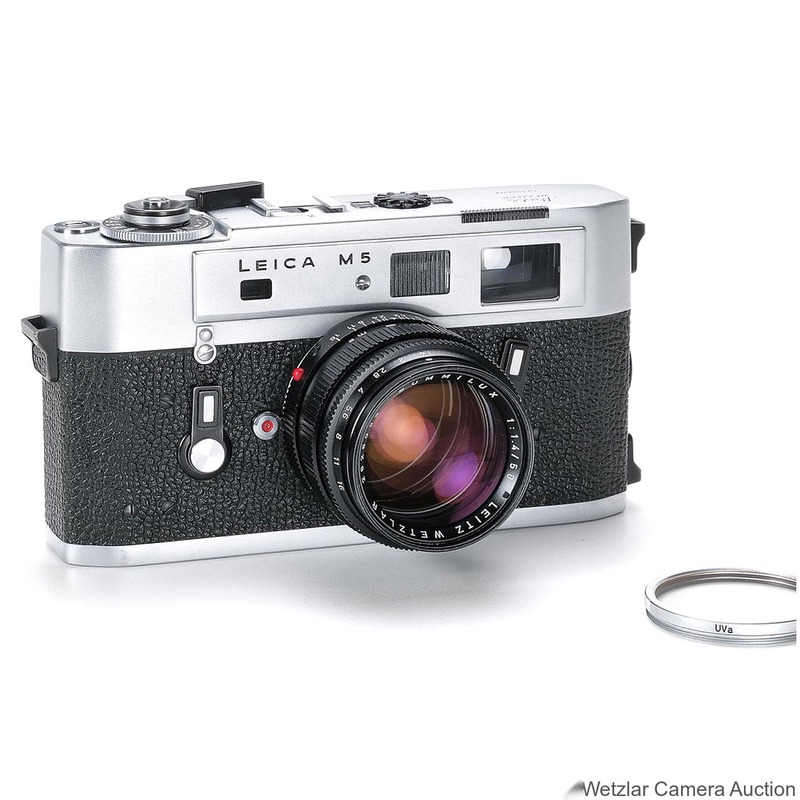
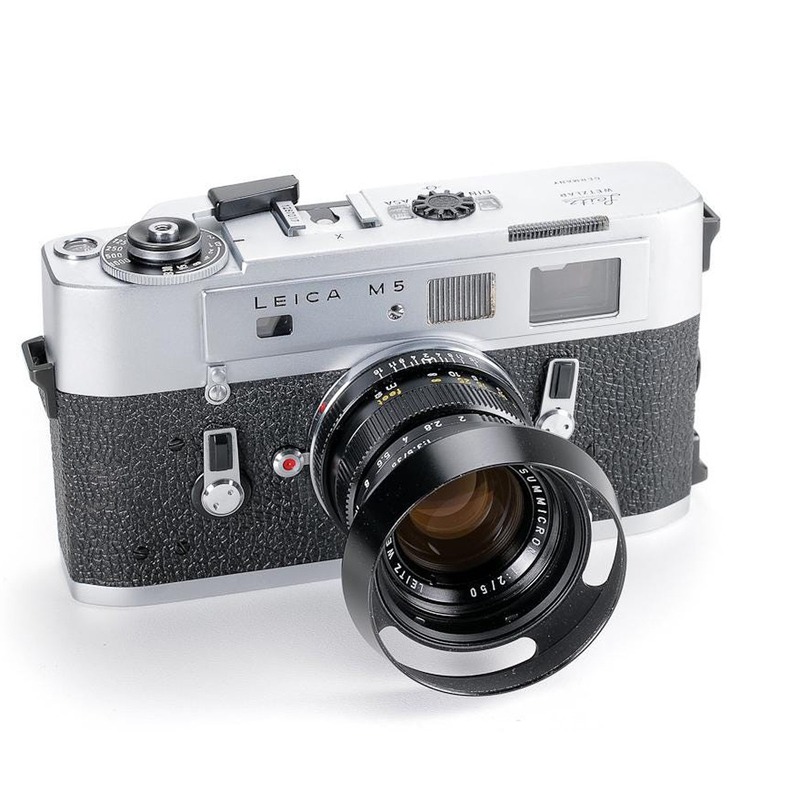
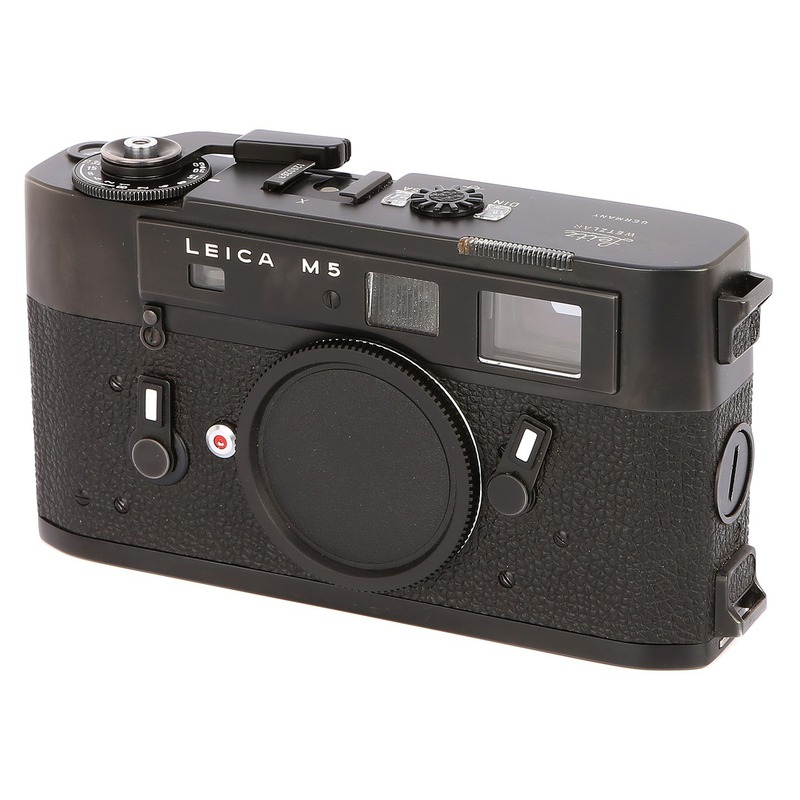
Leica M5
Leica · Germany · 1971–1975 (4 years) · 135 film
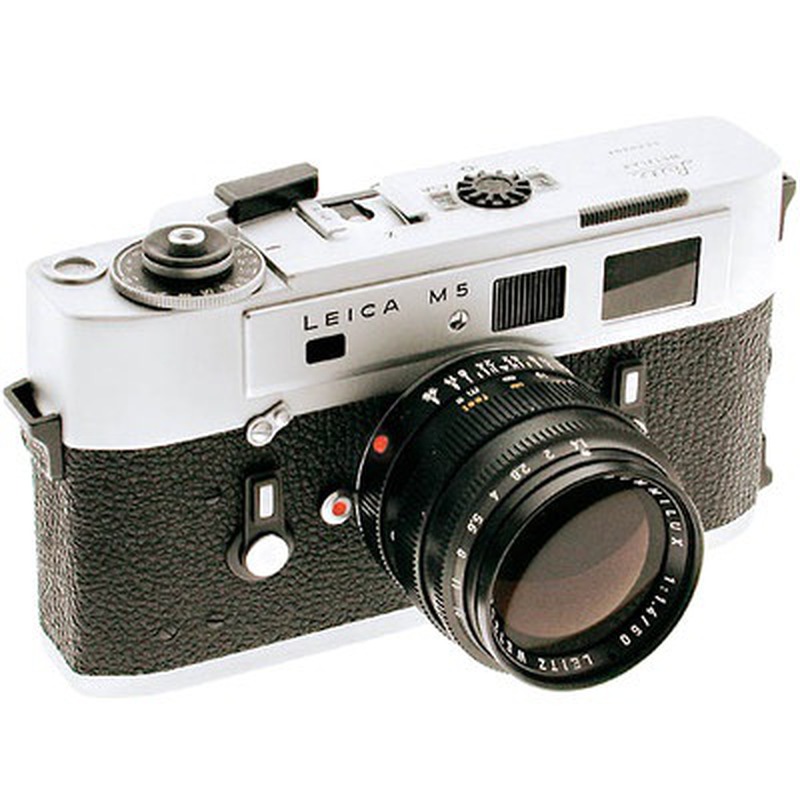
The Leica M5, introduced in 1971, holds a distinctive place in Leica's history as the company's first rangefinder camera to feature through-the-lens (TTL) metering. This technological innovation represented a significant advancement in exposure accuracy for rangefinder photography. Produced in Wetzlar until 1975, it was notable as the final Leica camera to be entirely handcrafted using the traditional "adjust and fit" method that had defined Leica's manufacturing for decades. The camera maintained the classic Leica M-mount compatibility but incorporated a more modern, streamlined design compared to its predecessors.
Despite its technological advancements, the M5 had a somewhat controversial reception. The TTL metering, while innovative, was housed in a rather crowded viewfinder that some photographers found difficult to use. Additionally, the introduction of TTL metering coincided with the rise of SLR cameras, which were gaining popularity among professional photographers. The M5 eventually gave way to the Leica M4-2 in 1977, which eliminated TTL metering but offered a more conventional viewfinder design. Despite its relatively short production run and mixed reception, the M5 remains an important transitional model in Leica's evolution, representing the company's attempt to modernize its classic rangefinder system while maintaining traditional craftsmanship.
Specifications
| Film Format | 135 |
/main.jpg)
 Enjoy this museum? Support on Ko-fi