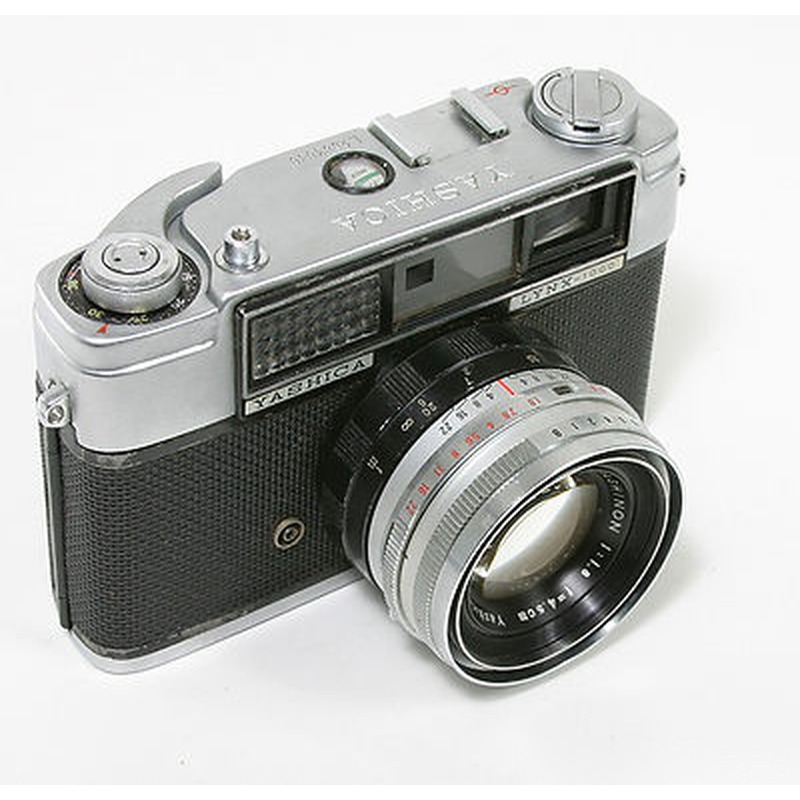
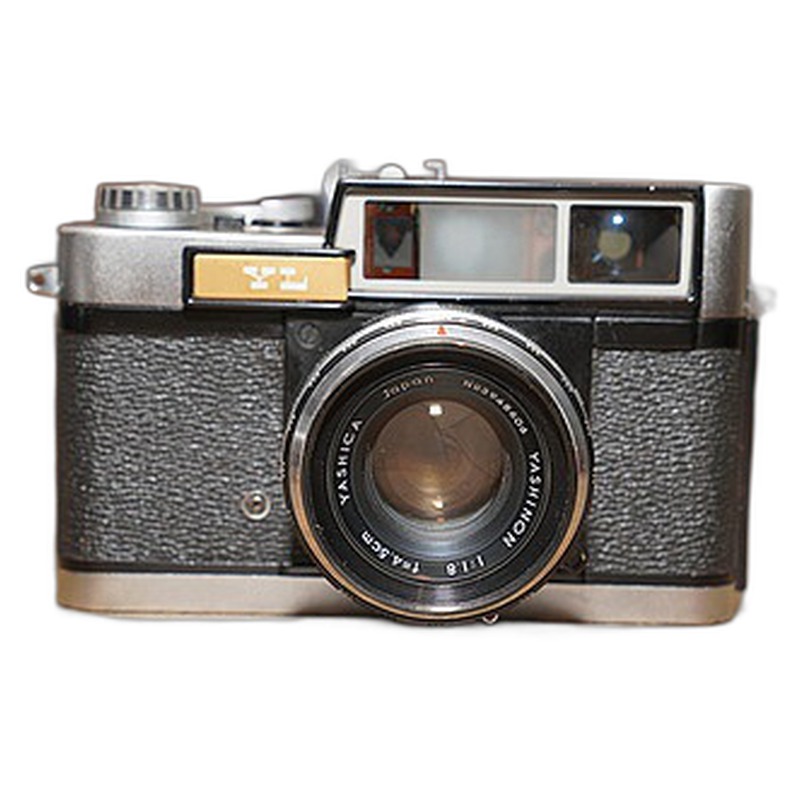
Yashica Lynx 1000
Yashica · Japan · 1960 · 135 film
The Lynx 1000 represents Yashica's entry into the competitive 35mm single-lens reflex (SLR) market in 1960. As a mid-range SLR, it featured a sturdy die-cast body with a satin chrome finish, offering a practical and relatively affordable option for photographers stepping up from rangefinders. Its core specifications included a Yashica Sekor lens (likely a 50mm f/1.8 or f/2.0 Tessar-type), a focal-plane shutter with speeds from 1 second to 1/1000th, and a coupled selenium cell exposure meter built into the top plate. This meter provided essential light readings via a needle display, assisting photographers in achieving correct exposure without separate handheld meters. The Lynx 1000 lacked the interchangeable viewfinders or advanced metering systems found on higher-end contemporaries, focusing instead on reliable operation and value within its class.
While not groundbreaking like the Nikon F launched the same year, the Lynx 1000 held its own as a capable workhorse. Its robust construction, competent lens, and integrated meter made it a sensible choice for enthusiasts and serious amateurs seeking a dependable 35mm SLR experience. It reflected the era's trends towards accessible SLR technology and contributed to popularizing the format among a broader audience beyond professionals. The Lynx 1000 stands as a representative example of Japanese camera manufacturing quality in the early 1960s, fulfilling its role as a solid, functional, and moderately priced tool for serious photography.
Specifications
| Film Format | 135 |
/main.jpg)
 Enjoy this museum? Support on Ko-fi