Pricing
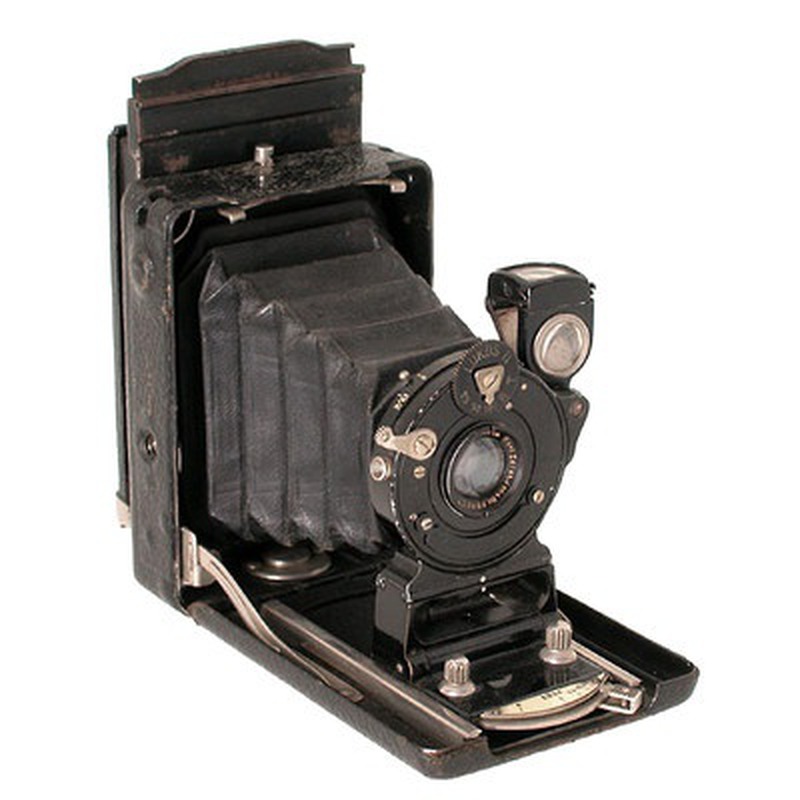
ICA Klimax Lukos II
ICA · Germany · 1913 · 135 film
The Klimax Lukos II, introduced by the German company ICA in 1913, stands as an early and significant exploration of the 35mm film format, predating the iconic Leica by over a decade. Designed as a compact roll-film camera, it utilized the 135 cartridge (standard 35mm perforated motion picture film) loaded into special cassettes, aiming to provide a lightweight alternative to larger plate cameras of the era. Its construction, typical of high-quality German cameras of the period, utilized metal and leather, focusing on durability and portability for amateur photographers. While the specific lens and shutter configurations based on surviving examples suggest competent performance for its time, the Lukos II's true historical importance lies in its role as one of the first attempts to package 35mm film into a practical, handheld still camera format, paving the way for the miniature revolution that would later dominate photography.
Despite its pioneering status, the Klimax Lukos II did not achieve widespread adoption or achieve legendary status comparable to later 35mm cameras. It represented a transitional phase within ICA's product line, competing alongside other roll-film and plate cameras rather than establishing a new category. The camera's design was functional rather than revolutionary, embodying the solid engineering characteristic of ICA but lacking the transformative innovations that would define future classics. Its limited production run and niche positioning meant it remained a notable, yet ultimately less influential, step in the long journey towards miniature photography.
Specifications
| Film Format | 135 |
/main.jpg)
/main.jpg)
/main.jpg)
/main.jpg)
/main.jpg)
/main.jpg)
 Enjoy this museum? Support on Ko-fi