/main.jpg)
Pricing
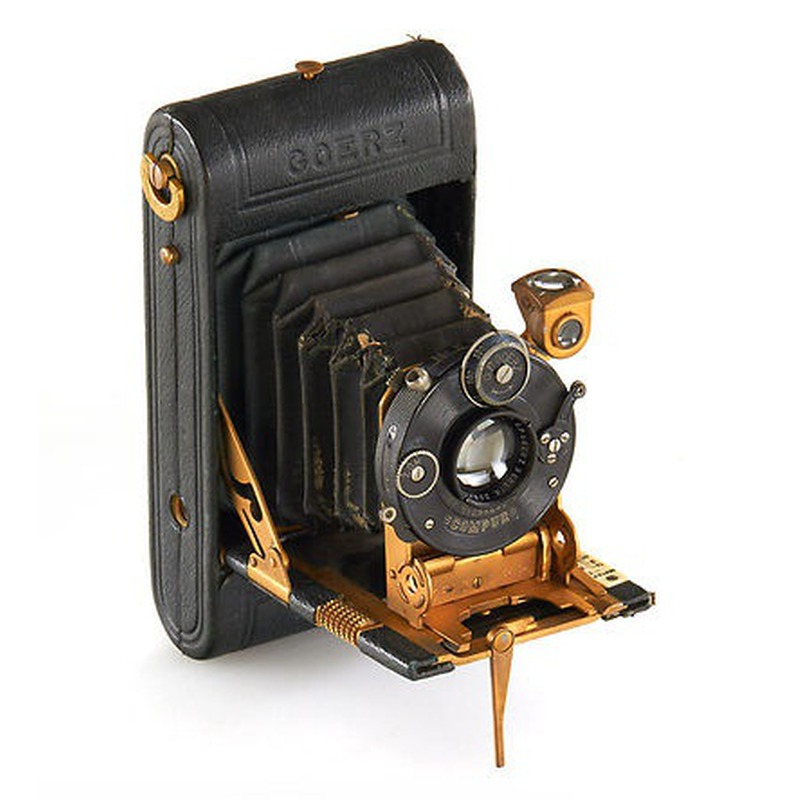
Goerz Manufoc-Tenax Tropen (Tropical)
Goerz · Germany · 1923 · 135 film
Introduced in 1923, the Manufoc-Tenax Tropen stands as a significant, though often overlooked, milestone in the evolution of 35mm photography. As one of the earliest experimental cameras to utilize the then-novel 135 film format, it predates the groundbreaking Leica I by two years, embodying the early 1920s push towards portable, miniature cameras. Goerz, leveraging its renowned German optical expertise, engineered this model with a primary focus on robust construction rather than radical innovation. Its defining characteristic is the "Tropen" designation, signifying tropicalized engineering—employing enhanced seals and corrosion-resistant materials specifically designed to withstand the rigors of humid and extreme environments, addressing a practical need for photographers working in challenging climates.
Despite its pioneering role in portable 35mm design and practical tropical durability, the Manufoc-Tenax Tropen's historical impact was severely constrained by minimal production records and the subsequent, overwhelming dominance of Leica. Its significance lies primarily in its status as tangible evidence of Goerz's early foray into miniaturization and its demonstration of solutions for environmental challenges, cementing its place as a noteworthy, if ultimately overshadowed, artifact in the narrative of camera miniaturization.
Specifications
| Film Format | 135 |
/main.jpg)
/main.jpg)
 Enjoy this museum? Support on Ko-fi