/main.jpg)
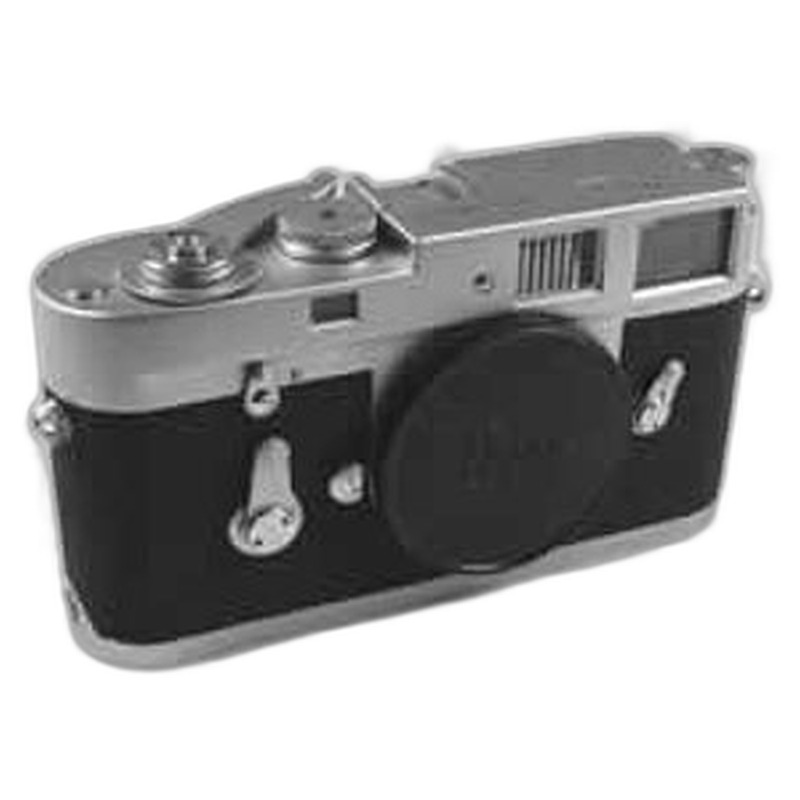
Leicaflex Prototype (removable finder, w/motor)
Leica · Germany · 1965 · 135 film
Developed as a prototype for Leica's first SLR camera, the Leicaflex SL, this 1965 experimental model features two significant innovations: a removable finder system and an integrated motor drive. The removable finder was a radical departure from fixed viewfinders, suggesting Leica's ambition to offer different viewing options (likely including a waist-level finder or specialized screens) for different shooting scenarios, mirroring the flexibility of their rangefinder system. The inclusion of a motor drive, integrated rather than an external accessory, indicated Leica's early consideration for motorized operation, though it wasn't a standard feature on the production Leicaflex SL released shortly after. As a prototype, it existed purely for development and testing, never reaching the hands of the public or professionals. Its significance lies in demonstrating Leica's technical direction and early engineering solutions for the SLR market it was entering late.
The removable finder concept and integrated motor drive showcased Leica's attempt to bridge the gap between its precision rangefinder heritage and the emerging SLR demands. It represents a crucial, albeit brief, stage in the evolution of the Leicaflex line, highlighting the challenges and design choices Leica faced as it entered the competitive SLR arena dominated by brands like Nikon. While the production Leicaflex SL had a fixed pentaprism finder and lacked an internal motor, this prototype laid groundwork for future innovations like the motorized Leicaflex SL2 Mot and the modular viewfinder systems of later Leica SLR models. Its existence is primarily important for historians and collectors studying Leica's technical development.
Specifications
| Film Format | 135 |
/main.jpg)
 Enjoy this museum? Support on Ko-fi