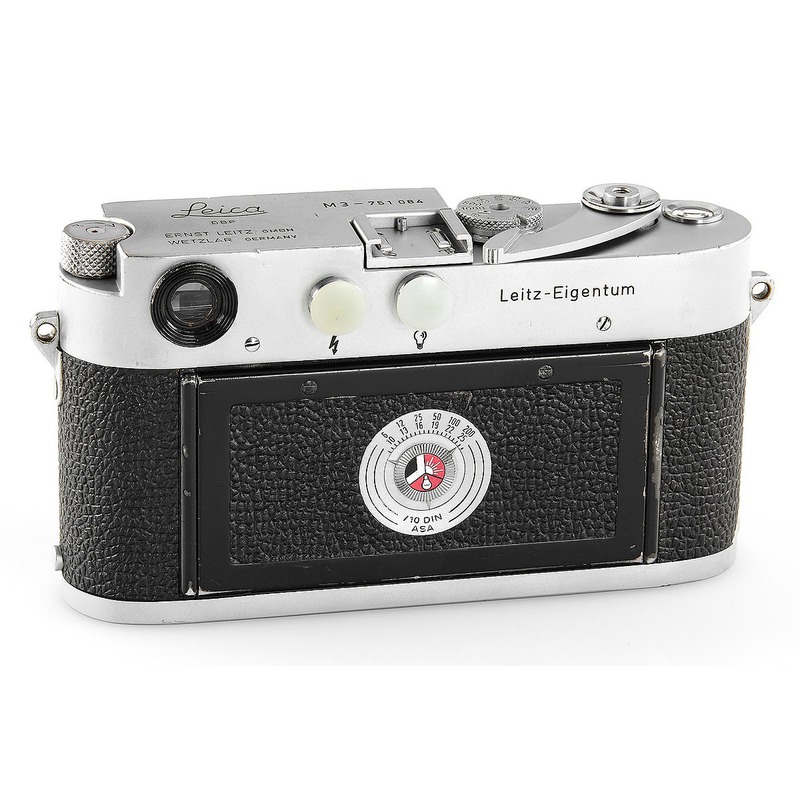
Leica M3 'Leitz Eigentum'
Leica · Germany · 1954–1966 (12 years) · 135 film
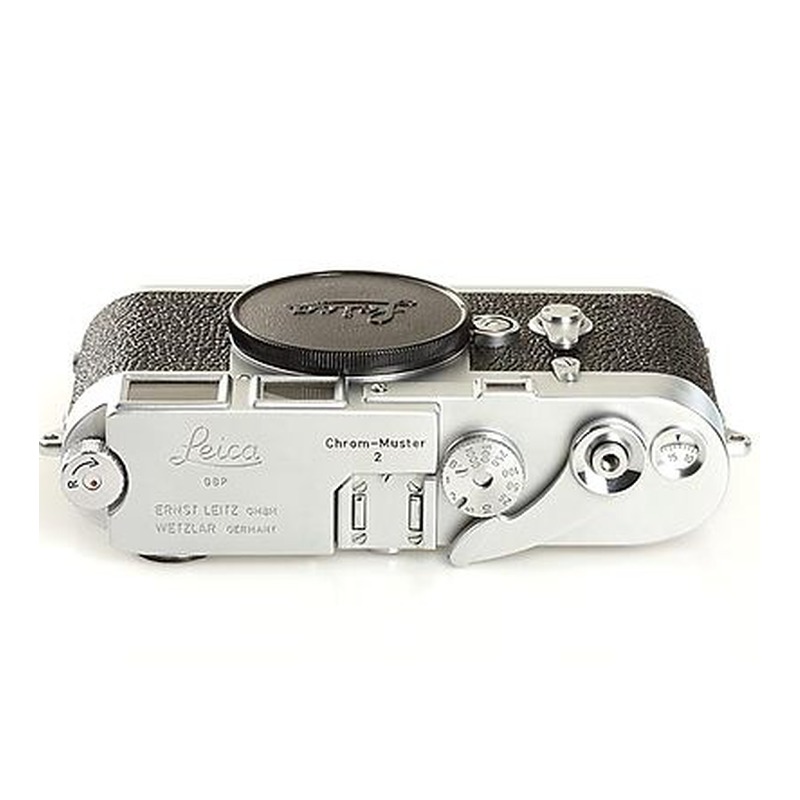
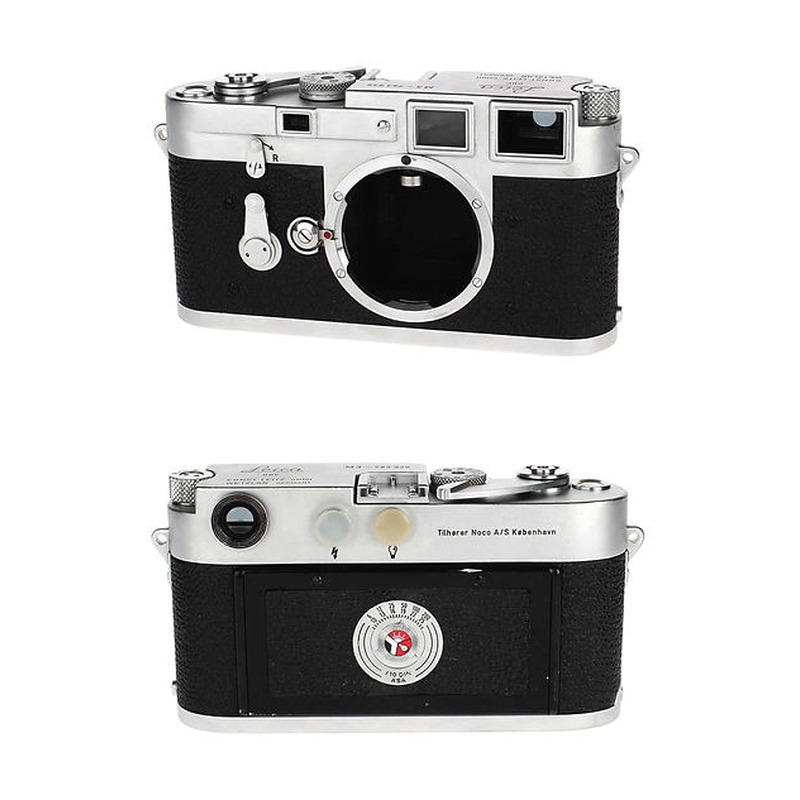
The Leica M3 'Leitz Eigentum' represents a pivotal chapter in 35mm photographic history, embodying the zenith of post-war rangefinder design. Introduced in 1954, this camera was the first in Leica’s groundbreaking M series, revolutionizing the industry with its innovative M-bayonet lens mount, which allowed swift lens changes and became the enduring standard for Leica’s interchangeable optics. The M3 featured a revolutionary combined viewfinder and rangefinder, offering a bright 0.92x magnification and automatic parallax correction for 50mm, 90mm, and 135mm frames—unprecedented clarity for its era. Its precision-matched focal-plane shutter and coupled rangefinder system ensured exceptional accuracy, catering to photojournalists and documentary photographers who demanded unobtrusiveness and reliability. Notable figures like Henri Cartier-Bresson relied on the M3, praising its quiet operation and optical excellence, cementing its status as a tool of artistic and journalistic significance.
Built to Leitz’s exacting standards, the 'Eigentum' variant—meaning "property" in German—denoted company-owned units used internally for testing or demonstrations, sharing the same robust construction as commercial models. Its die-cast aluminum body, chrome plating, and meticulously calibrated mechanics reflected German engineering at its finest, ensuring durability through decades of use. The M3’s legacy endures not only as a benchmark for rangefinder design but also as a catalyst for modern 35mm photography, influencing countless cameras from Nikon to Contax. The 'Eigentum' provenance adds historical intrigue, offering collectors a tangible link to Leica’s corporate heritage while maintaining the M3’s core innovations that defined an era of documentary and street photography.
Specifications
| Film Format | 135 |
/main.jpg)
/main.jpg)
/main.jpg)
/main.jpg)
 Enjoy this museum? Support on Ko-fi