/main.jpg)
Pricing
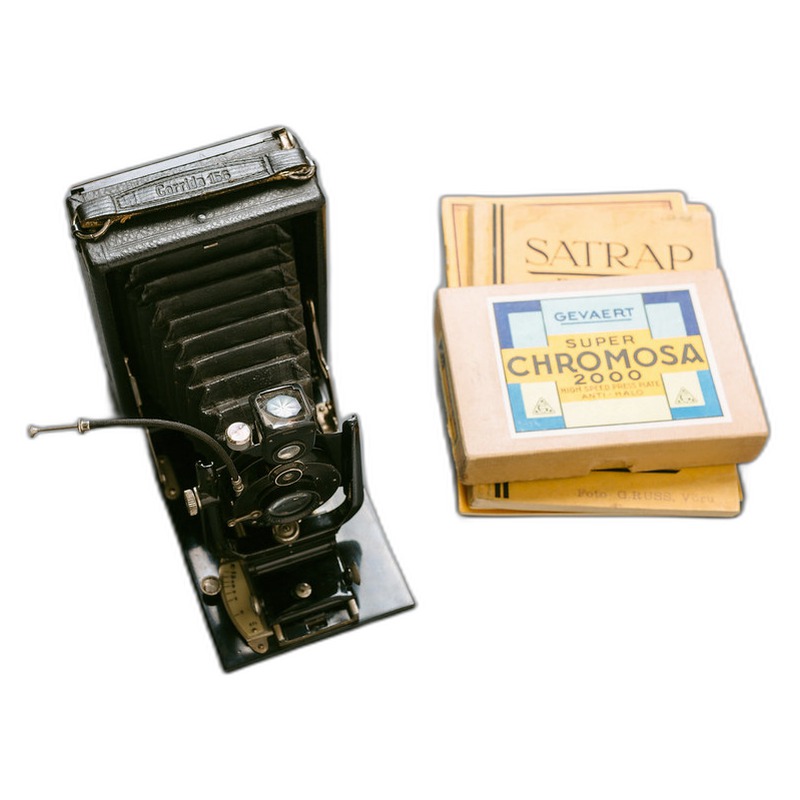
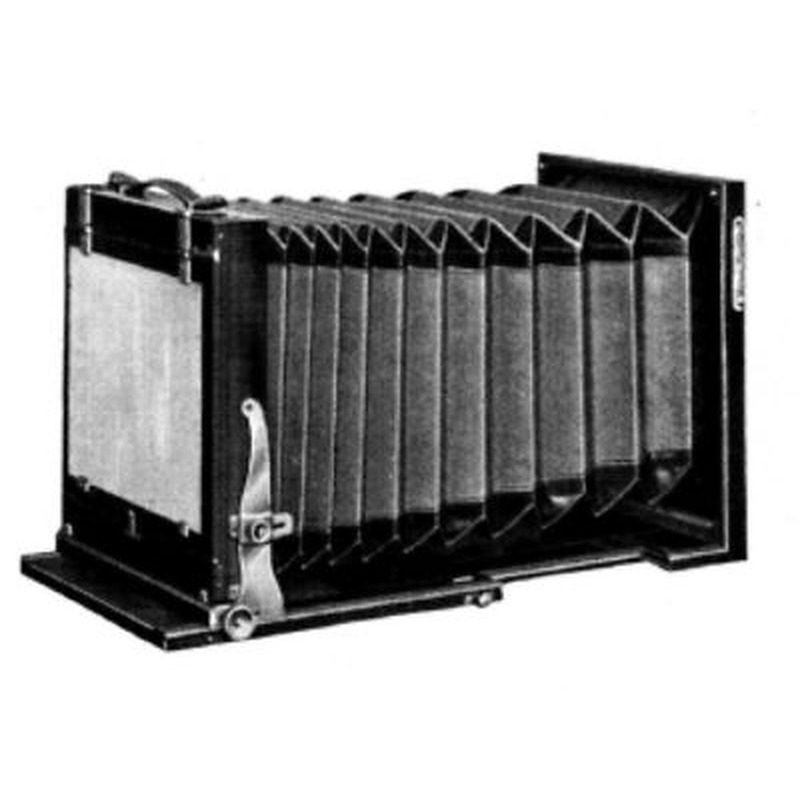
ICA Travel (856 - 13x18)
ICA · Germany · 1910–1915 (5 years) · 135 film
The Travel (856 - 13x18) by ICA represents a significant, though not revolutionary, step in the early evolution of 35mm photography. Produced between 1910 and 1915 by the prominent German camera manufacturer Internationale Camera Actiengesellschaft (ICA), this camera adapted the nascent 35mm motion picture film for still photography using the 13x18cm (5x7 inch) format standard in continental Europe at the time. Utilizing a special film pack or spool holder, it allowed photographers to capture smaller negatives than typical plate cameras of the era while still working within familiar large-format printing conventions. This hybrid approach bridged the gap between bulky plates and the eventual miniaturization of still cameras, reflecting the experimental period before the Leica I's commercial breakthrough in 1925. As an early proponent of 35mm for stills within a major European manufacturer's lineup, the Travel 856 occupies a niche position in the history of camera miniaturization.
Technically, the Travel 856 was a substantial camera, likely incorporating a folding bed or viewfinder design suitable for its 13x18cm format aspirations. It employed high-quality German optics and sturdy construction typical of ICA's offerings, aiming for durability despite the delicate film format. Its primary significance lies in its demonstration of 35mm film's potential for serious still photography *before* Leica's success, highlighting industry experimentation. While it didn't achieve widespread fame or define an era like later iconic models, the Travel 856 stands as a noteworthy artifact documenting the technological crossroads where large-format plates met the compact future of 35mm film.
Specifications
| Film Format | 135 |
/main.jpg)
/main.jpg)
/main.jpg)
/main.jpg)
 Enjoy this museum? Support on Ko-fi