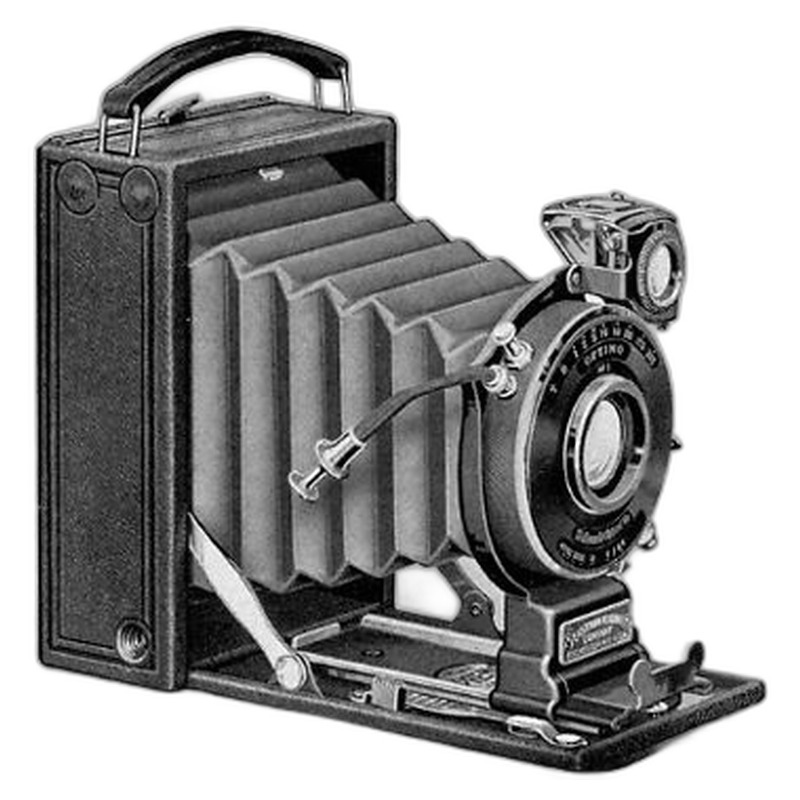
Kodak Premo Folding No.12
Kodak · USA · 1916–1926 (10 years) · 135 film
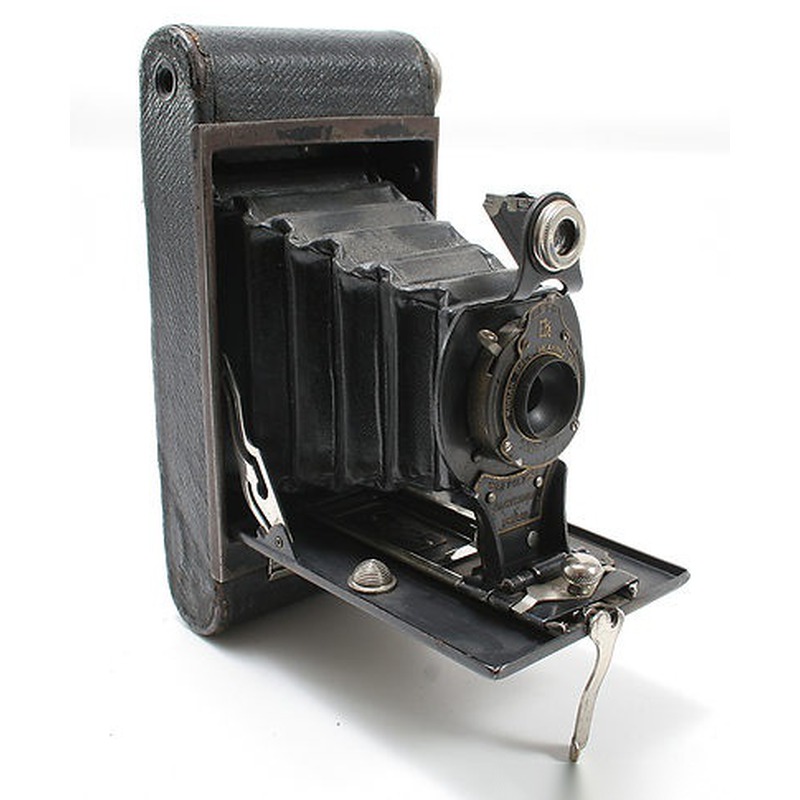
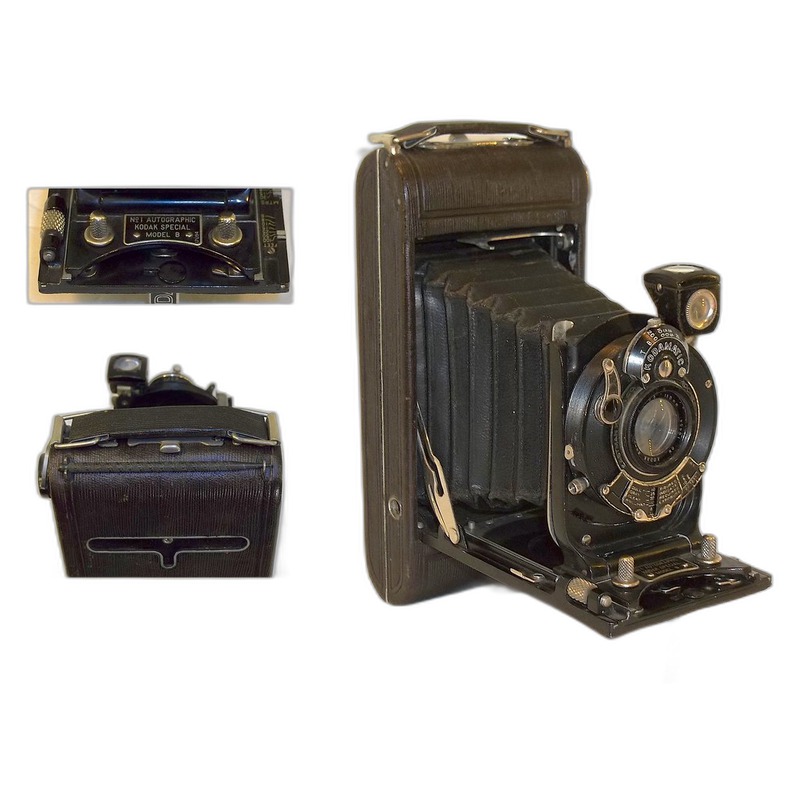
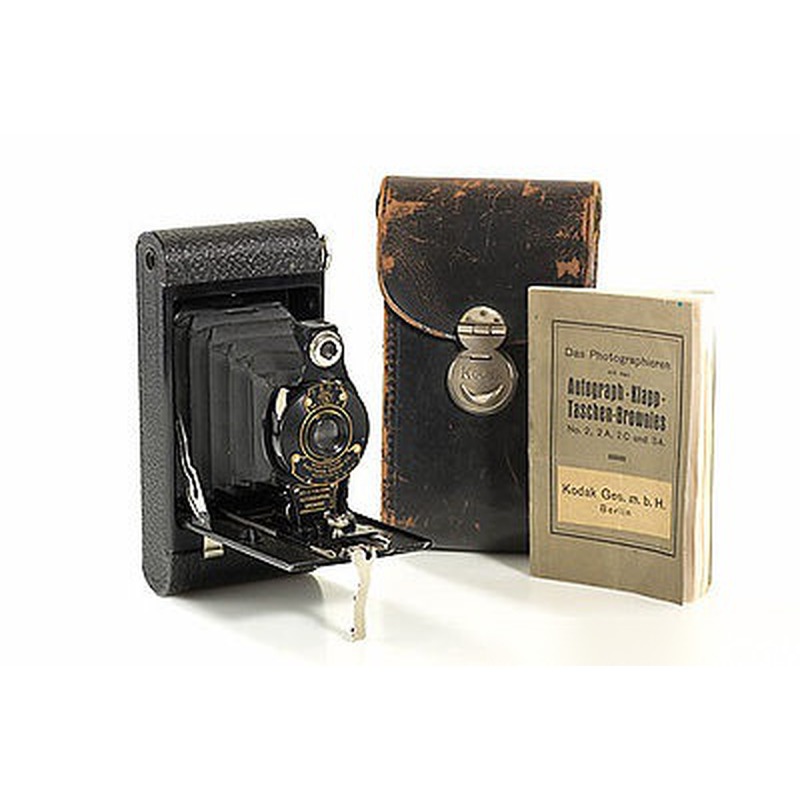
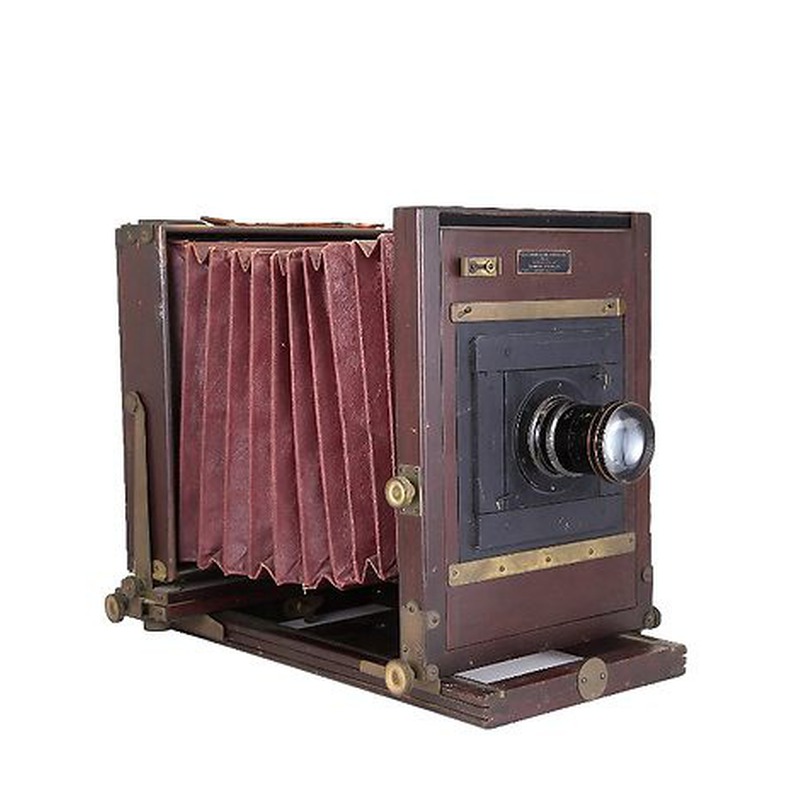
The Premo Folding No.12 represents Kodak's significant, though ultimately short-lived, entry into the nascent world of 35mm (135 format) photography during the 1910s and 1920s. Produced from 1916 to 1926, it was designed as a compact folding camera, targeting amateur photographers seeking greater portability than larger Kodak rollfilm models of the era. Its design followed the typical collapsible pattern of the time, featuring a leather or fabric-covered body that collapsed into a relatively small, flat package for easy carrying, utilizing bellows to extend the lens and focusing mechanism. While specific technical details like lens types or shutter speeds are not readily documented from existing information, it likely featured fixed focal length lenses and simple focal plane or leaf shutters common to contemporary small format cameras. Its most notable historical aspect is its role as Kodak's early, substantial push into the 35mm format that would later revolutionize photography, predating the Leica I by a decade, even if Kodak's initial foray wasn't commercially dominant like the later German designs.
As an early folding 35mm camera, the Premo Folding No.12 served as a practical tool for amateurs exploring smaller, more convenient negatives, albeit likely with compromises in image quality and complexity compared to later dedicated 35mm systems. Its production run of a decade indicates it held a place in Kodak's lineup, bridging the gap between bulky rollfilm folders and the emerging miniature cameras. While not achieving the legendary status of subsequent 35mm icons, it holds a notable place as a pioneering American effort in the format, reflecting Kodak's strategy to innovate and capture the amateur market with increasingly compact designs before the German 35mm boom took hold.
Specifications
| Film Format | 135 |
/main.jpg)
 Enjoy this museum? Support on Ko-fi