Pricing
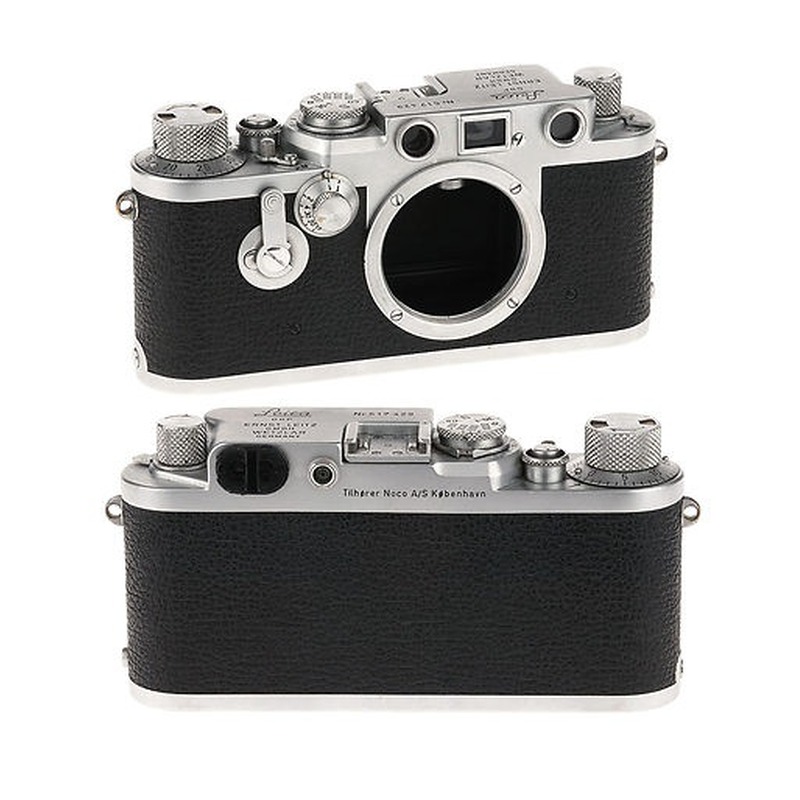
Leica IIIf 'Noca A/S'
Leica · Germany · 1950–1956 (6 years) · 135 film
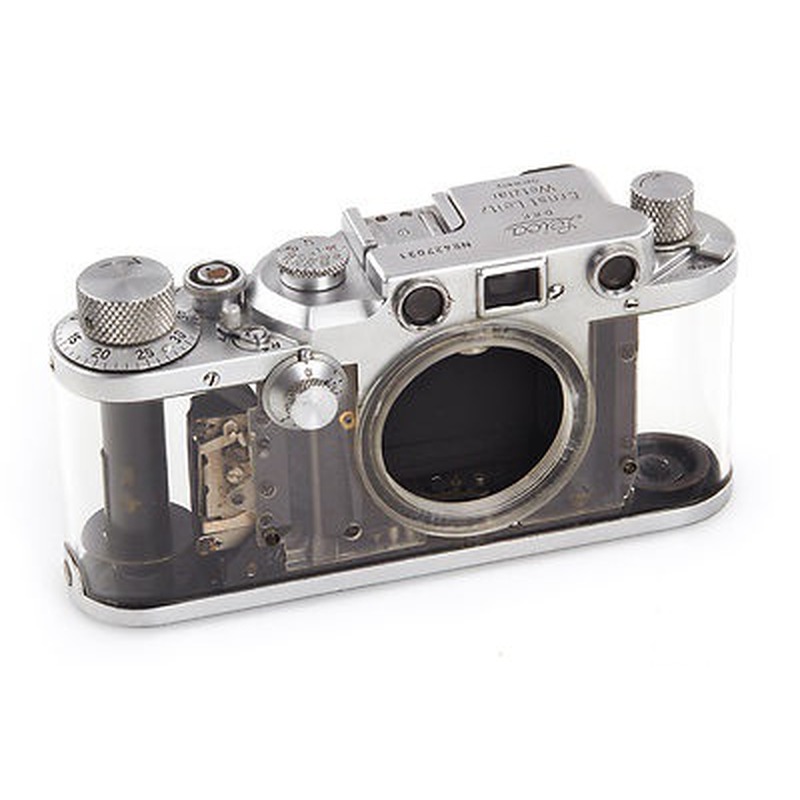
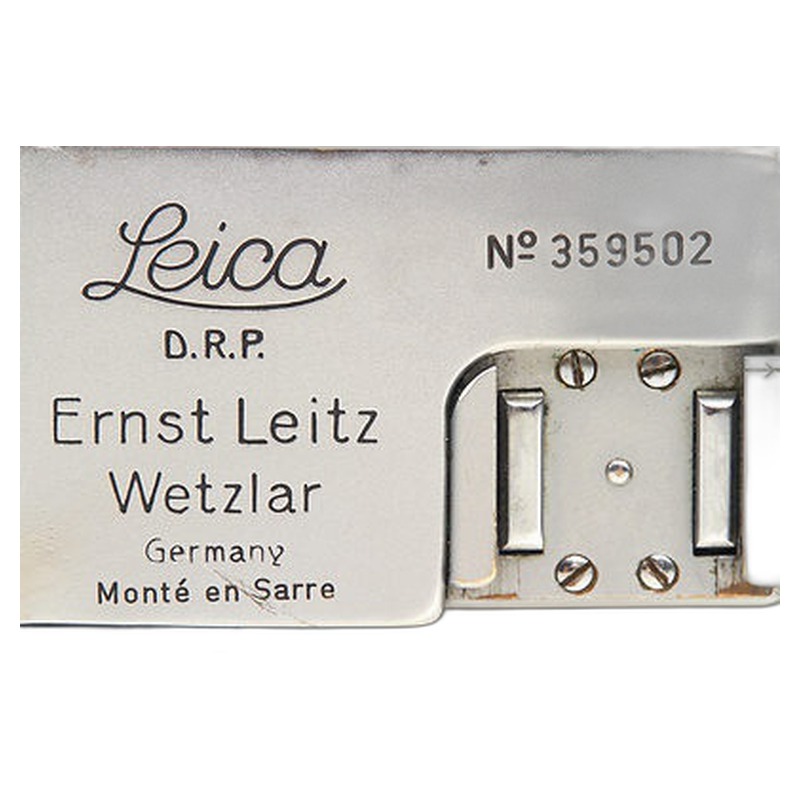
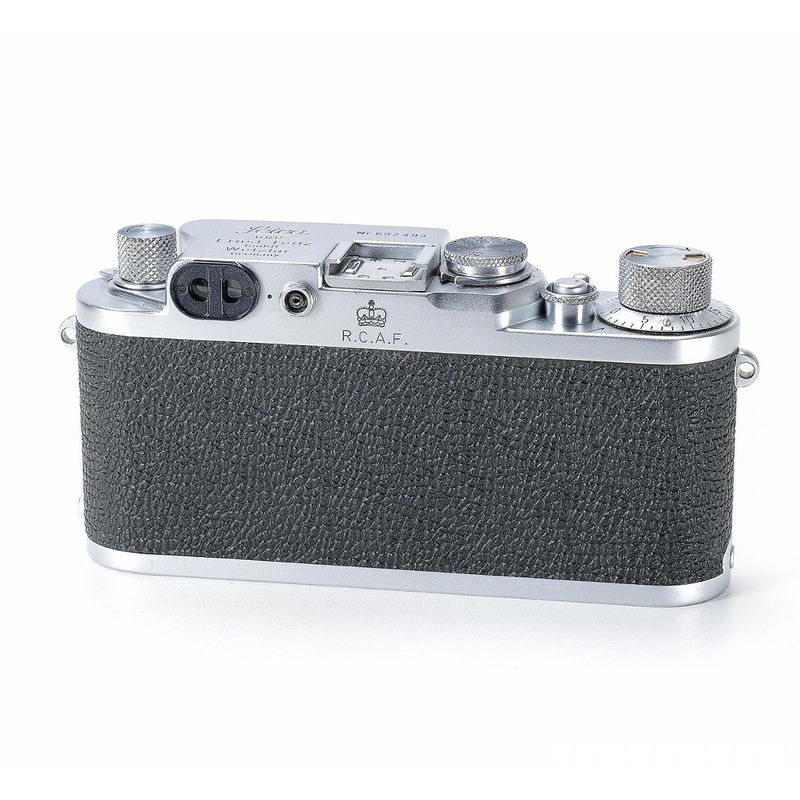
The Leica IIIf 'Noca A/S' represents a significant refinement within Leica's revered screw-mount series, produced during the early 1950s. This 35mm rangefinder camera maintained the core mechanics and robust build quality established by its predecessors like the IIIc but introduced crucial enhancements, notably the addition of flash synchronization via a dedicated post connector and a self-timer. It embodied Leica's commitment to precision engineering, featuring a coupled rangefinder and viewfinder system, coupled shutter speeds, and interchangeable screw-mount lenses. Designed for serious amateurs and professionals, it offered compactness, reliability, and the flexibility inherent in the Leica system, making it a practical tool for reportage and documentary work during a dynamic post-war period. While superseded by the revolutionary M3 in 1954, the IIIf solidified Leica's position as a leader in small-format photography before the advent of the M-bayonet mount.
As a member of the IIIf range, it shared the same essential operational characteristics and high-quality construction standards expected from Leica. The specific 'Noca A/S' designation likely indicates a variant produced for a specific market or distributor, but it operated identically to standard IIIf models. It served as a dependable workhorse, valued for its durability and the optical excellence of available lenses, cementing Leica's reputation for craftsmanship and performance in the 35mm format before the major shift to the bayonet-mount M system in the mid-1950s. Its production run from 1950 to 1956 reflects its place in the final phase of the screw-mount era.
Specifications
| Film Format | 135 |
_'Monte_en_Sarre'/main.jpg)
_Syn_'Leitz-Eigentum'/main.jpg)
/main.jpg)
 Enjoy this museum? Support on Ko-fi