Pricing
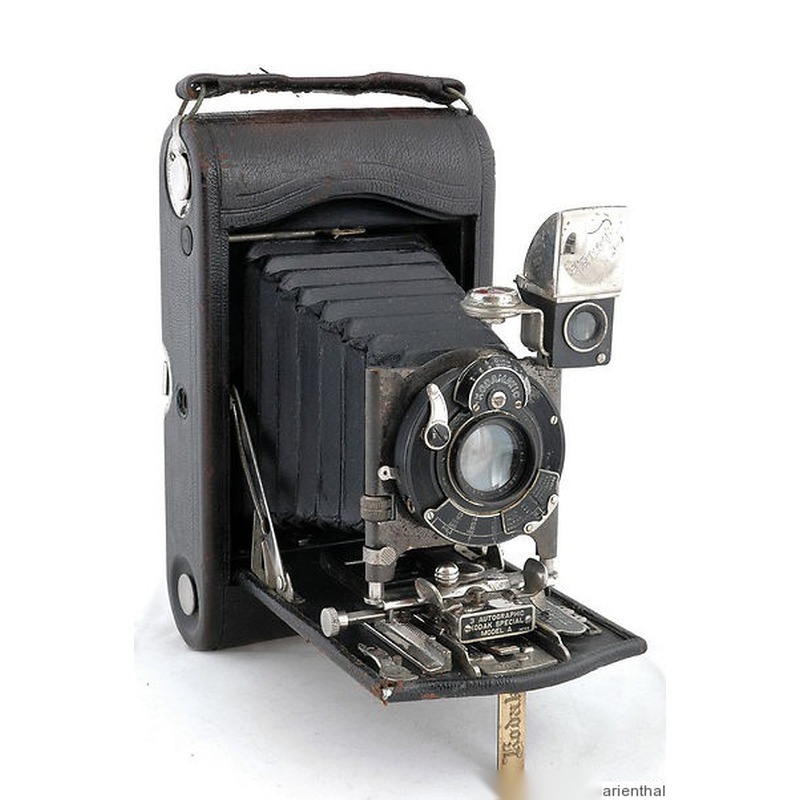
Kodak Autographic Special No.3 Model A
Kodak · USA · 1914–1924 (10 years) · 135 film
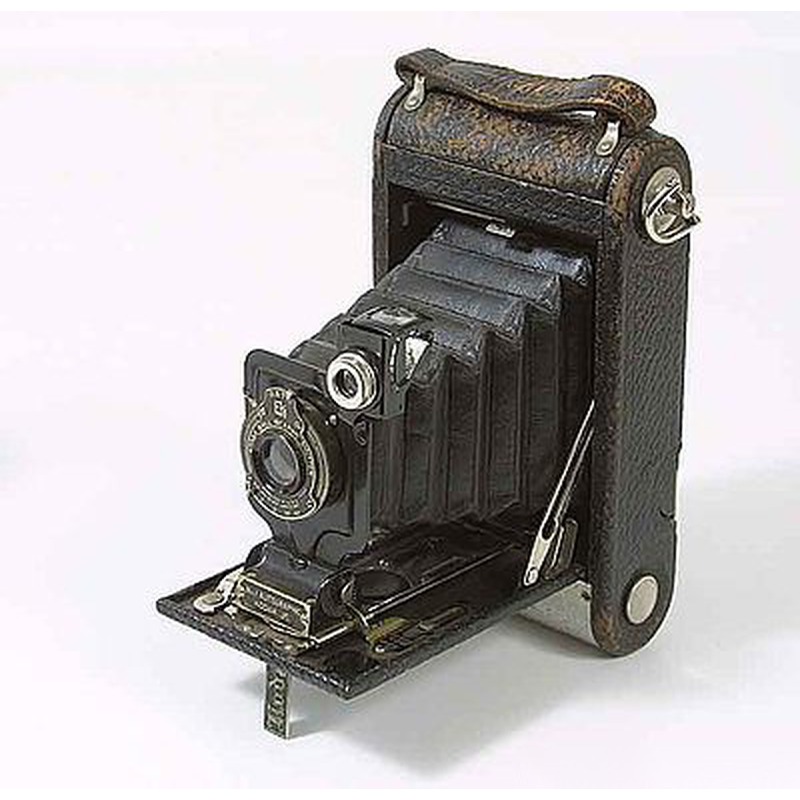
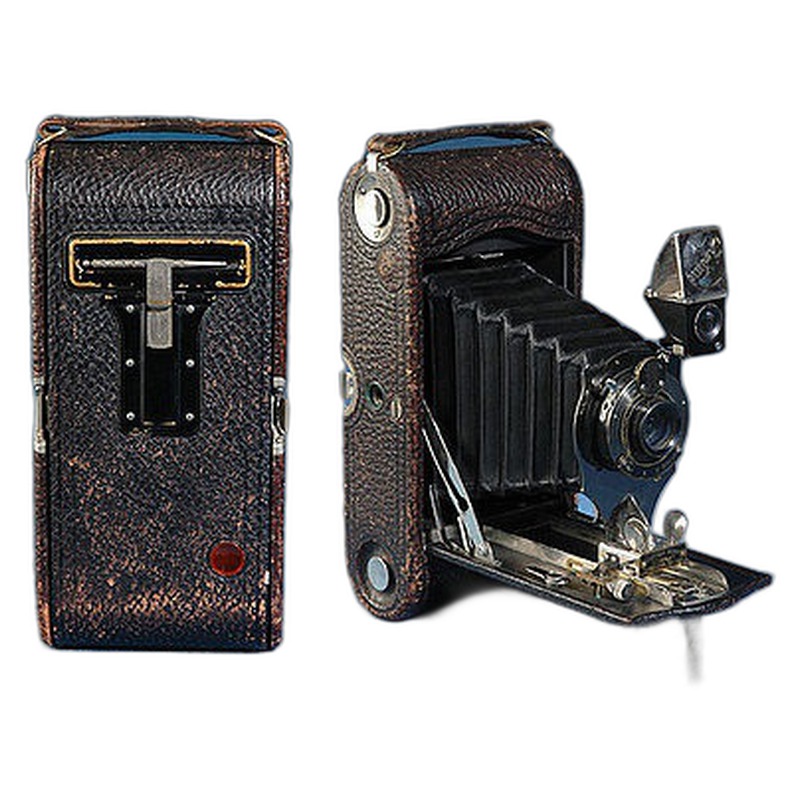
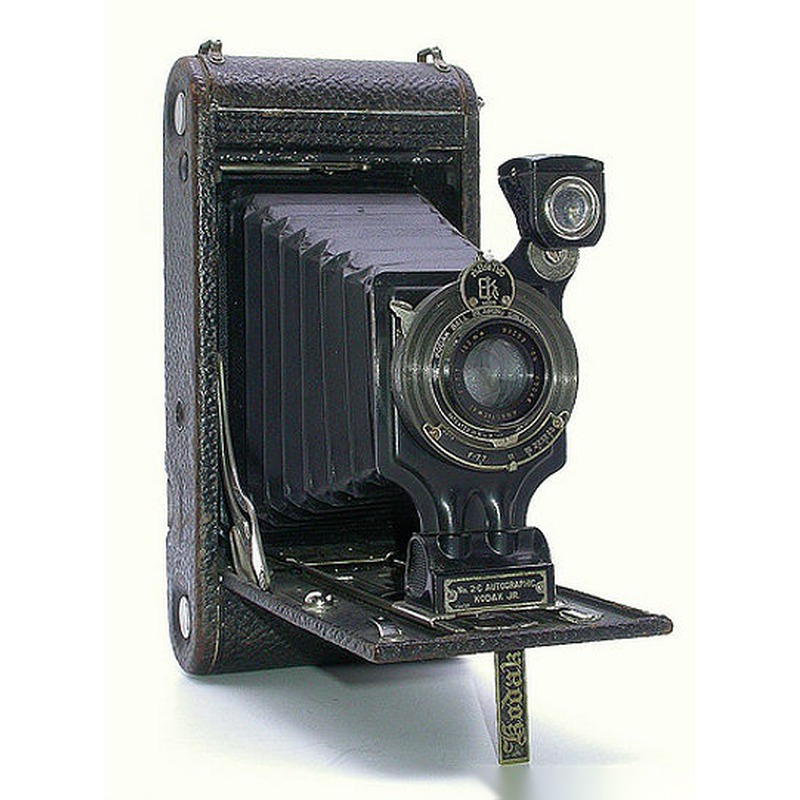
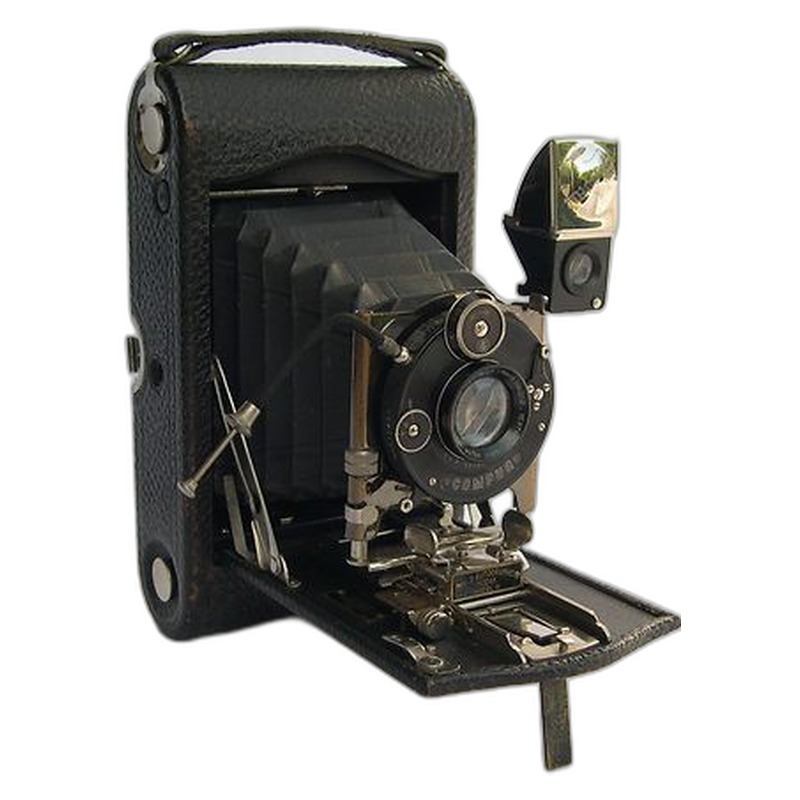
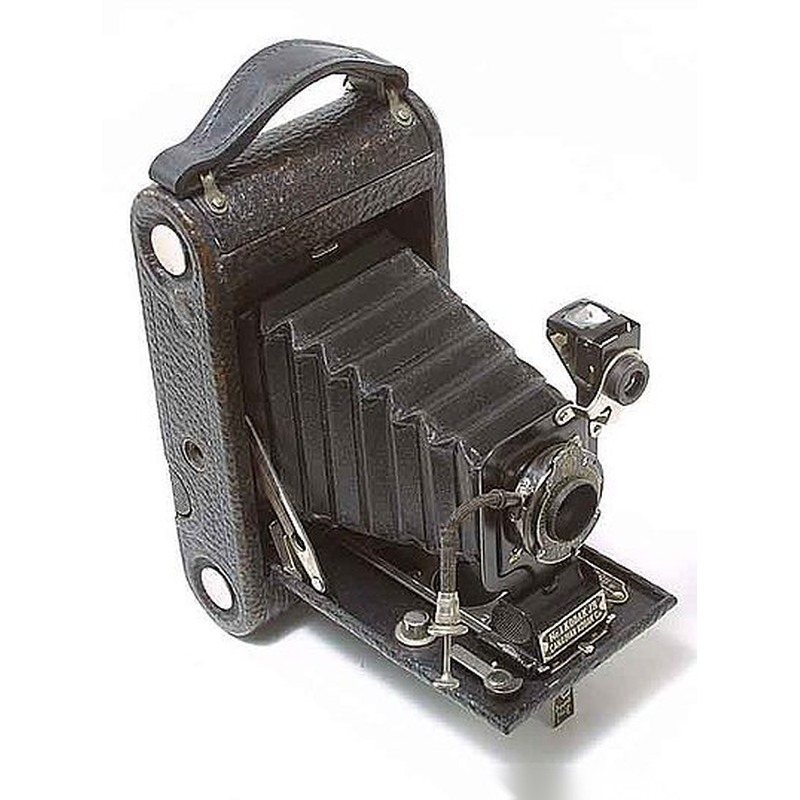
The Kodak Autographic Special No.3 Model A holds a notable place in the evolution of 35mm photography. Produced between 1914 and 1924, it emerged during Kodak's extensive experimentation with smaller formats before the rise of the Leica. Its defining feature was the Autographic system, pioneered by Kodak earlier, which allowed the photographer to write exposure information or notes directly onto a thin gelatin coating on the film's backing paper using a special stylus. This information was then exposed onto the film along with the image, providing a practical way to record shot details. The camera itself was a compact, folding bellows design, typical of Kodak's pocket and vest pocket cameras of the era, constructed with metal plates and leatherette covering. It used 35mm film, but unlike later 135 cartridges, it required loading into special cassettes and utilizing the Autographic backing paper.
While groundbreaking for its time in bringing 35mm format and the Autographic innovation to a wider audience, the Autographic Special No.3 Model A was ultimately a transitional product. Its design, reliant on manual focusing via a bed scale and a simple shutter speed/aperture selector, lacked the precision and integrated rangefinder features that would later define serious 35mm cameras like the Leica. Its significance lies more in Kodak's role in popularizing smaller formats and the Autographic system itself rather than in being a major design influence or camera of legendary status among professional photographers. It represents a crucial step in the technological path towards modern 35mm photography.
Specifications
| Film Format | 135 |
/main.jpg)
 Enjoy this museum? Support on Ko-fi