Pricing
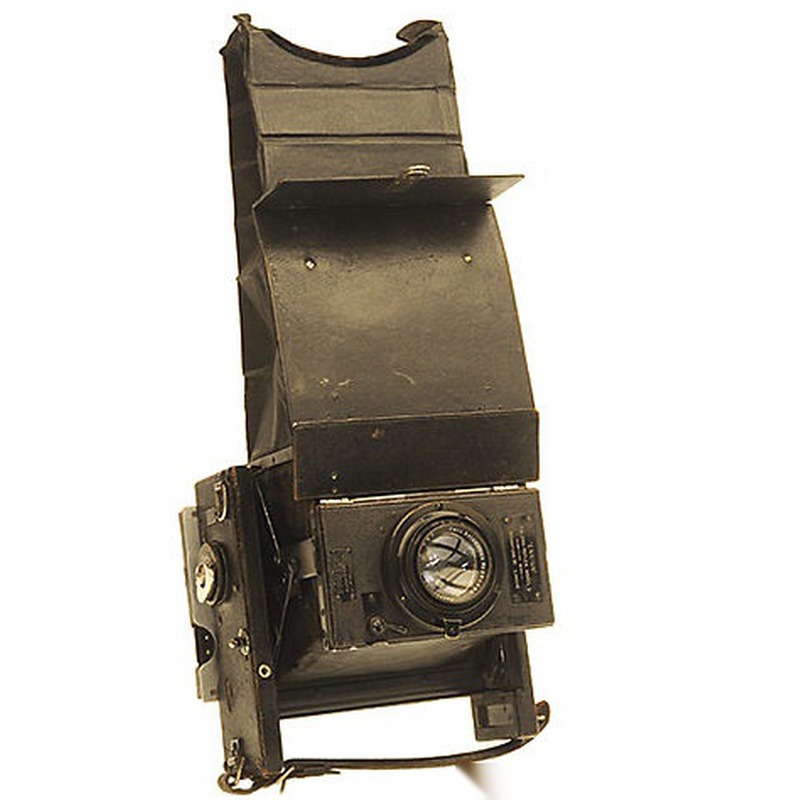
Houghton Ensign Folding Reflex
Houghton · UK · 1914 · 135 film
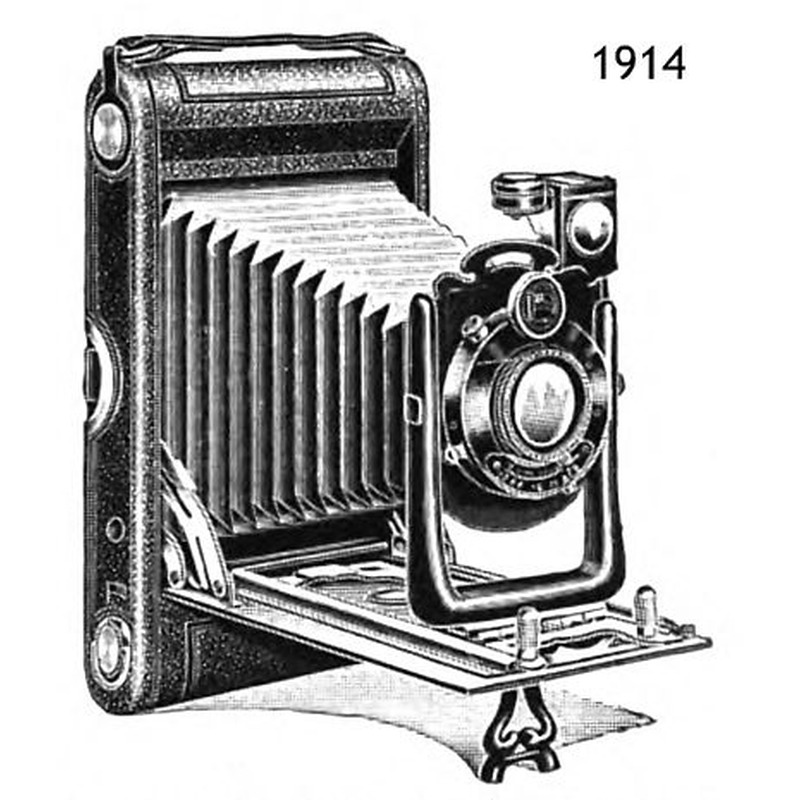
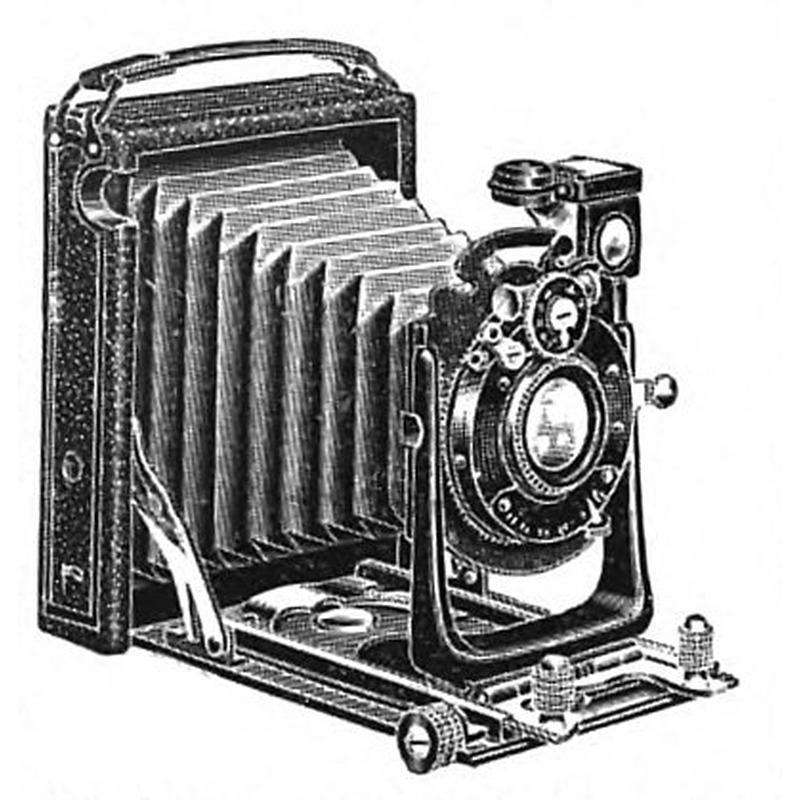
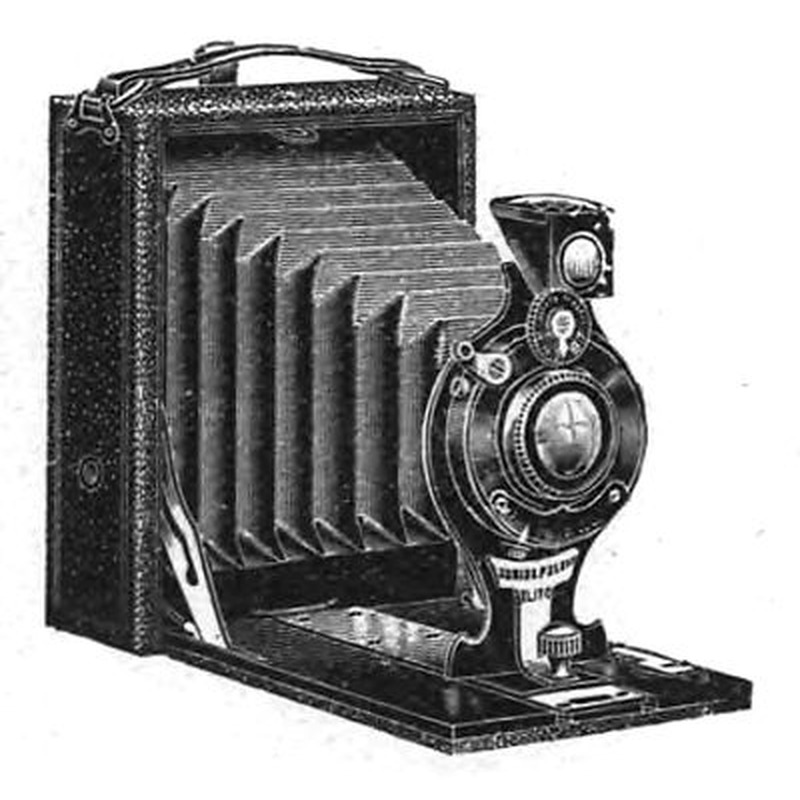
The Ensign Folding Reflex represents Houghton's significant early entry into the emerging 35mm (135 format) market in 1914. As one of the first British manufacturers to produce a folding camera using this small film format, it demonstrated a forward-thinking approach, aiming to offer portability and convenience compared to larger plate or roll-film cameras of the era. Its folding design was a practical solution for a compact camera, likely allowing it to be carried easily while protecting the lens and viewfinder. While specific details about its lens system and shutter mechanisms are unavailable from the provided information, the camera's core innovation lay in its adoption and adaptation of 35mm film for a consumer-level reflex camera, placing it within the crucial developmental phase of miniature photography before the dominance of Leica and other German models.
Though not achieving the iconic status of later cameras, the Ensign Folding Reflex holds historical importance as a tangible example of early British innovation in small-format photography. It contributed to the ecosystem that paved the way for the 35mm revolution, showcasing the practical application of this film size in a folding reflex design. Its existence highlights the competitive landscape and technological experimentation occurring in the UK before World War I, offering insight into the paths taken by manufacturers like Houghton to address the growing demand for more portable cameras. While it may not have been a massive commercial success or associated with famous photographers, its 1914 introduction firmly places it as a notable, early chapter in the story of 35mm photography.
Specifications
| Film Format | 135 |
 Enjoy this museum? Support on Ko-fi