Pricing
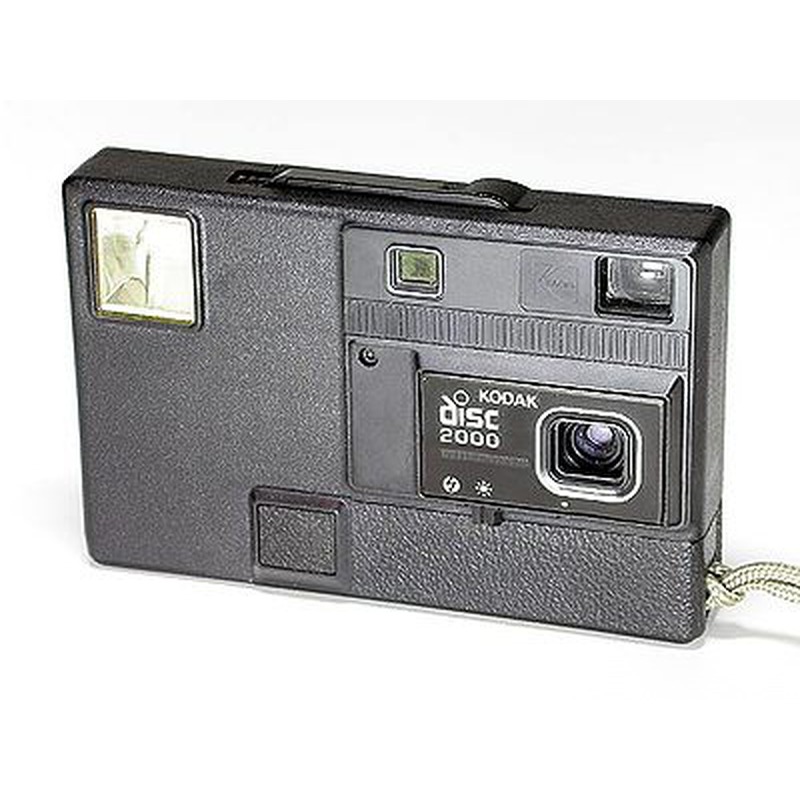
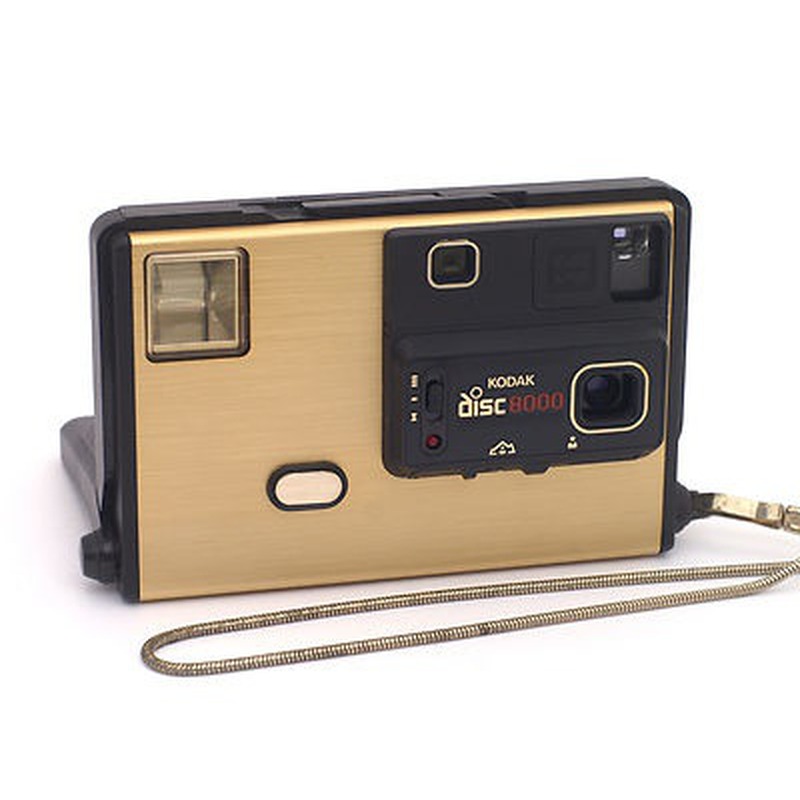
Kodak Disc 2000
Kodak · USA · 1982–1984 (2 years) · Disc film
Introduced in 1982 and produced until 1984, the Kodak Disc 2000 represents the company's mass-market entry into the short-lived disc camera format. Designed as an ultra-compact and simple alternative to 35mm film cartridges, it utilized Kodak's proprietary 15-exposure, 8mm film discs loaded into a flat, clamshell-shaped body. The camera prioritized extreme portability and ease of use over technical sophistication, featuring a fixed-focus lens and fully automatic exposure control, making it ideal for casual snapshots and quick photography for consumers seeking point-and-shoot convenience. While innovative for its compact disc format at the time, the Disc 2000 suffered from significant drawbacks: the tiny 10mm x 8mm negative area produced grainy prints with low resolution and limited cropping potential, and the fixed lens lacked any manual adjustments. Its primary significance lies in being a product of the early 1980s push towards miniaturized, foolproof cameras before the rise of 35mm compact autofocus models.
The Disc 2000 exemplifies the Kodak strategy of bringing film photography to the masses through accessible, if technically compromised, designs. Its clamshell plastic body and integrated lens cover reinforced its disposable-like character, contributing to its modest durability. Though it sold reasonably well as an affordable entry-level option, its image quality limitations and the subsequent obsolescence of the disc film format within a few years ensured it left little lasting technical or cultural mark beyond being a common sight in the mid-1980s. It represents a period in consumer photography where compactness and simplicity were pursued at the expense of image quality.
Specifications
| Film Format | Disc |
/main.jpg)
 Enjoy this museum? Support on Ko-fi