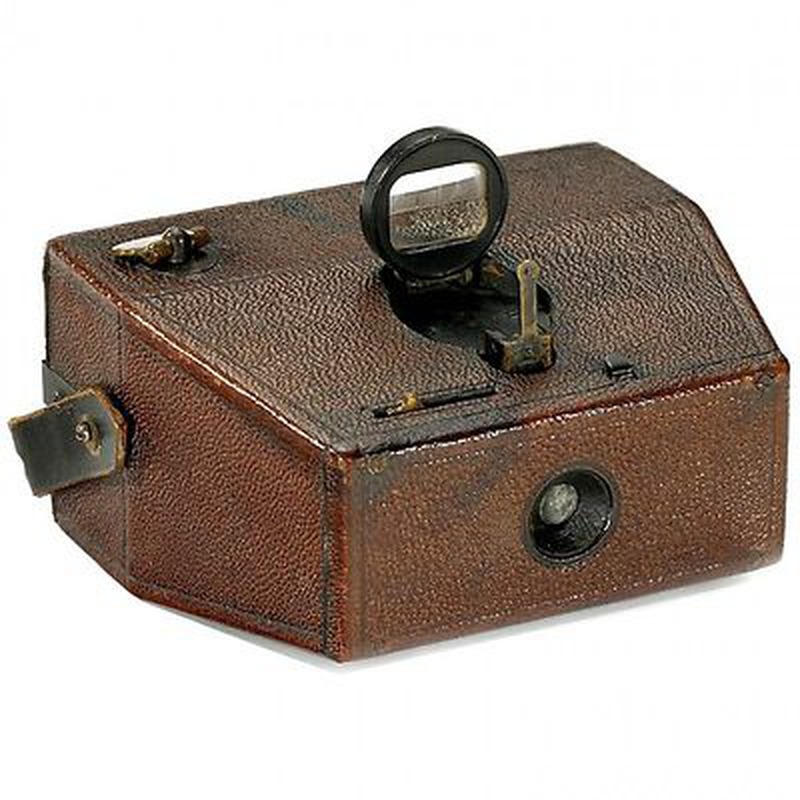
Kodak Cone Pocket No.1
Kodak · USA · 1898 · 135 film
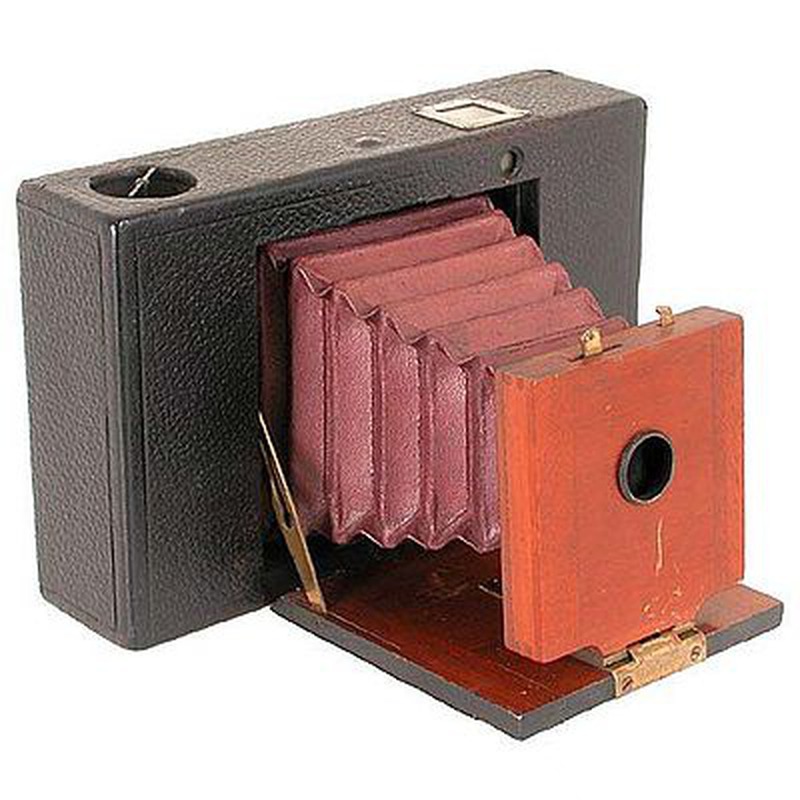
The Kodak Cone Pocket No.1, introduced in 1898, represents an early and ambitious attempt by Kodak to popularize the 135 format (35mm) for still photography long before it became the standard decades later. This folding camera was likely designed to offer the portability and convenience associated with smaller formats, capitalizing on the growing interest in snapshot photography. While sharing Kodak's reputation for user-friendly design and reliable operation for its era, the Cone Pocket No.1 differed significantly from the roll-film cameras Kodak predominantly manufactured. Its significance lies in being one of the earliest commercial cameras designed specifically for 35mm cine film adapted for stills, predating the Leica I by nearly 30 years and contributing to the gradual exploration of this format for non-professional use. However, it was not a mass-market success or a landmark innovation in the same vein as later iconic 35mm cameras.
As a pocket-sized folding camera, the Cone Pocket No.1 featured a simple, boxy body construction designed for compactness and ease of carry. Its design likely utilized materials common for the period, such as leatherette-covered wood or early plastics, and employed a modest lens and shutter system suitable for daylight outdoor shooting. The camera operated with a roll film, probably using special cassettes or spools adapted from cine film to handle the narrow 35mm width. Its role in photographic history is more as a curious precursor and an example of Kodak's experimental nature during a period when the industry was primarily focused on larger roll films and plate cameras. While not revolutionary, it holds a notable place as an early step towards the miniaturization that would later transform photography.
Specifications
| Film Format | 135 |
/main.jpg)
 Enjoy this museum? Support on Ko-fi