Pricing
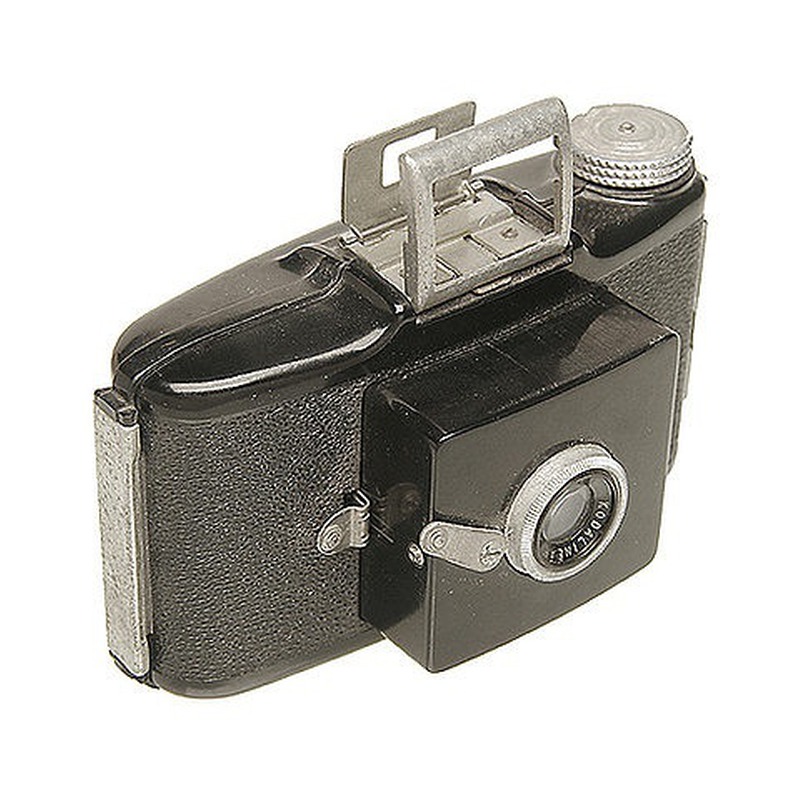
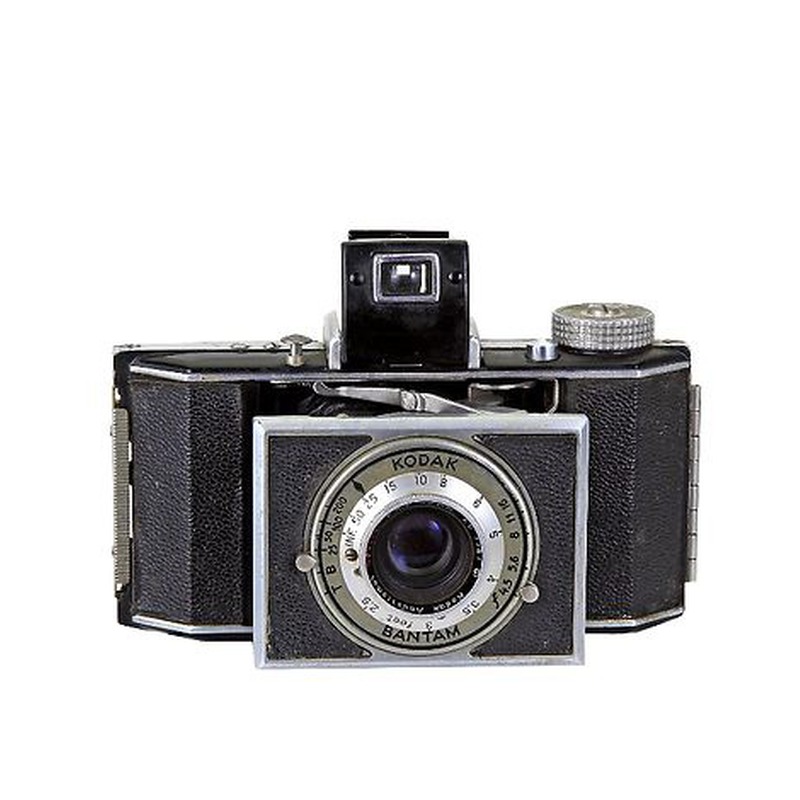
Kodak Bantam f8
Kodak · USA · 1938–1942 (4 years) · 135 film
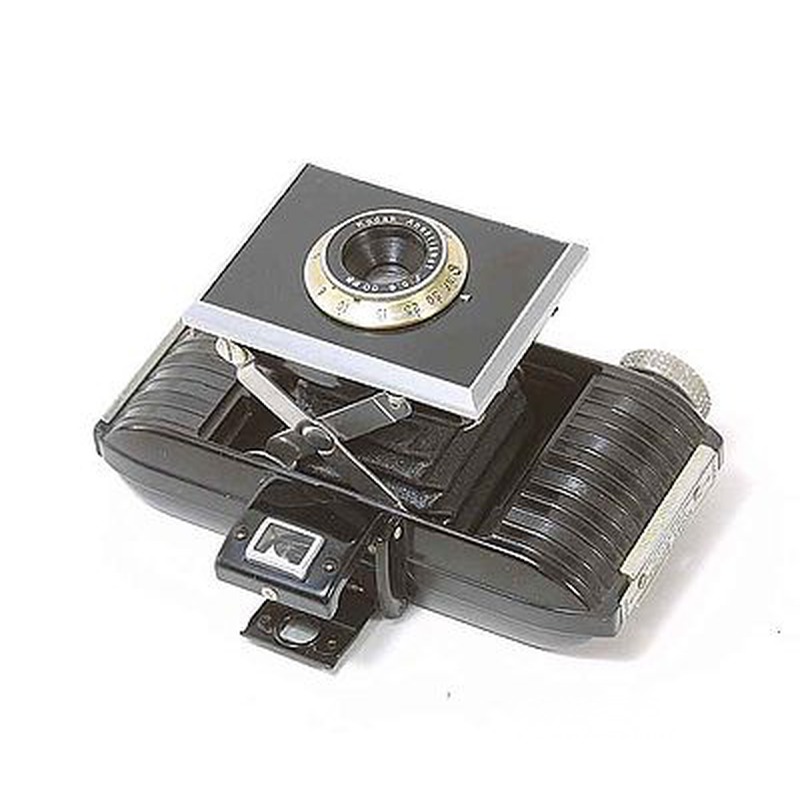
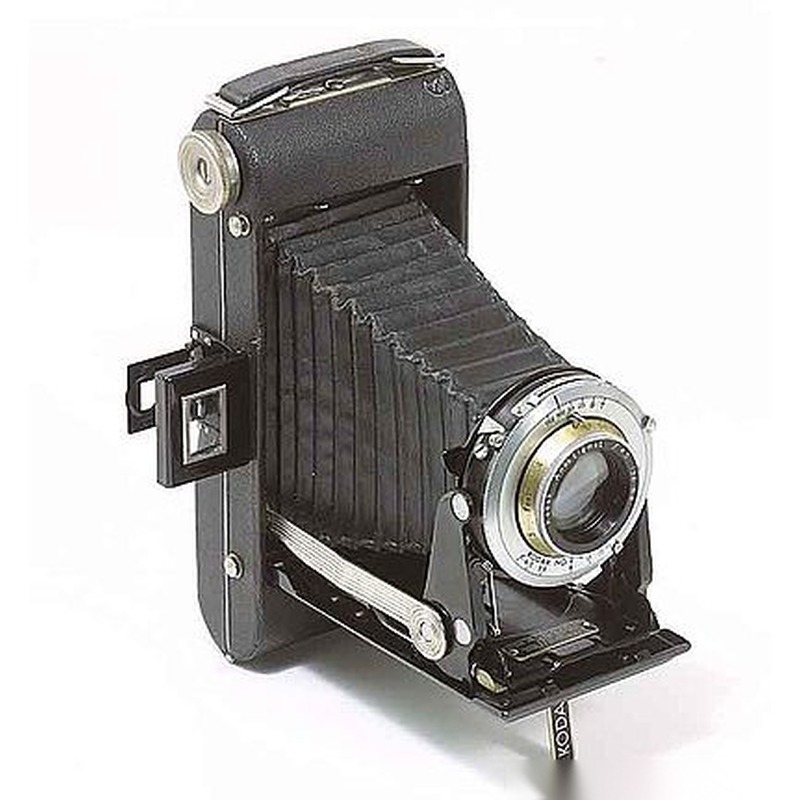
The Bantam f8 represents Kodak's entry into the burgeoning 35mm camera market during the late 1930s, a time when the format was transitioning from professional to consumer applications. As part of Kodak's Bantam series of folding cameras, the f8 model featured a compact design with bellows that collapsed for portability, making it appealing to amateur photographers seeking a smaller alternative to bulkier cameras. The camera utilized 135 film (though many Bantam models typically used the 828 format), indicating Kodak's efforts to standardize their offerings alongside the growing dominance of this format in photography. Its fixed f/8 aperture lens suggests it was positioned as a simple point-and-shoot device, prioritizing ease of use over advanced photographic control. Production from 1938 to 1942 spanned the early years of World War II, which likely influenced both manufacturing capacity and availability of the camera during this tumultuous period.
The Bantam f8 exemplifies Kodak's strategy of adapting professional technologies to consumer markets, though it ultimately couldn't compete with more innovative or feature-rich offerings from European manufacturers like Leica and Contax. The camera's construction followed Kodak's reliable but somewhat conservative design philosophy, prioritizing accessibility and affordability over cutting-edge engineering. While not particularly groundbreaking in terms of optical innovation or mechanical sophistication, the Bantam series served an important function in popularizing smaller cameras among American consumers and helped establish the 35mm format as viable for everyday photography alongside Kodak's dominant roll film cameras.
Specifications
| Film Format | 135 |
 Enjoy this museum? Support on Ko-fi