/main.jpg)
Pricing
ICA Volta (105)
ICA · Germany · 1910–1925 (15 years) · 135 film
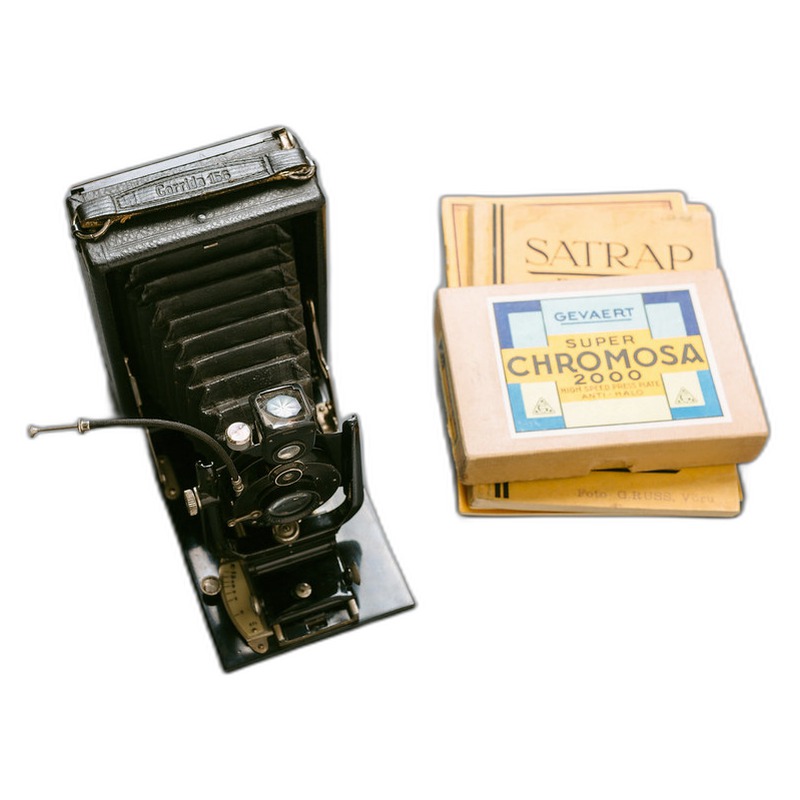
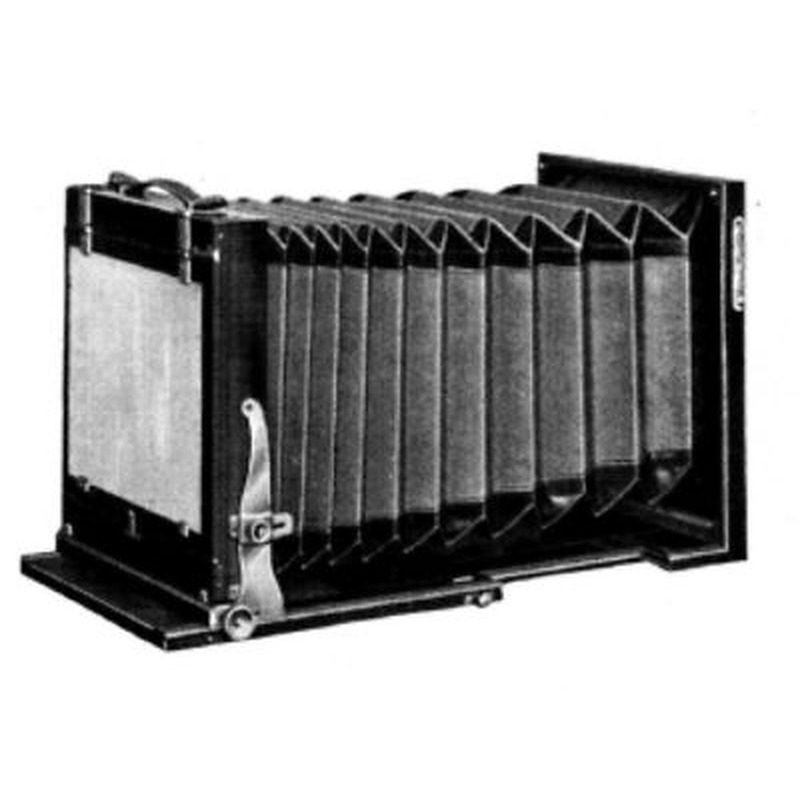
The Volta (105) represents a significant early example of 35mm photography, produced by the German camera maker ICA during its pre-Zeiss Ikon era (1910-1925). It employed the now-standard 135 format, making it one of the earliest cameras to use this perforated film originally designed for motion pictures, adapted for still photography. Characterized by its folding body design, likely constructed from metal and leatherette typical of the period, the Volta featured a focal plane shutter, offering adjustable exposure speeds for the time. Positioned within ICA's range, it provided photographers with a compact alternative to larger plate cameras, embodying the transitional phase towards miniature formats before the Leica revolution dominated the market. Its existence underscores the foundational experimentation with 35mm film by key European manufacturers prior to the 1920s.
As an early adopter of 35mm film in a purpose-built still camera body, the Volta (105) holds definite historical importance, contributing to the lineage that led to more successful miniature cameras. However, it lacked the groundbreaking impact or widespread adoption of later iconic models. Its design was practical rather than revolutionary, focusing on portability within the constraints of early 20th-century manufacturing. The Volta serves as a notable artifact illustrating the technological evolution and competitive landscape of German camera production during the 1910s and 1920s, representing a crucial step in the miniaturization journey of photography.
Specifications
| Film Format | 135 |
/main.jpg)
/main.jpg)
/main.jpg)
/main.jpg)
 Enjoy this museum? Support on Ko-fi