/main.jpg)
Pricing
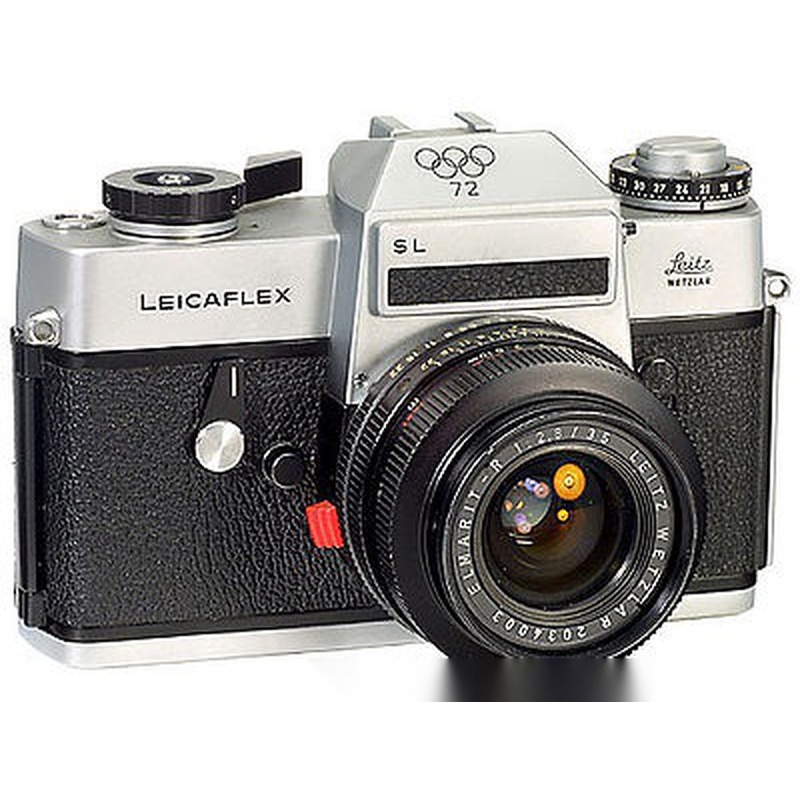
Leicaflex SL (prototype)
Leica · Germany · 1968 · 135 film
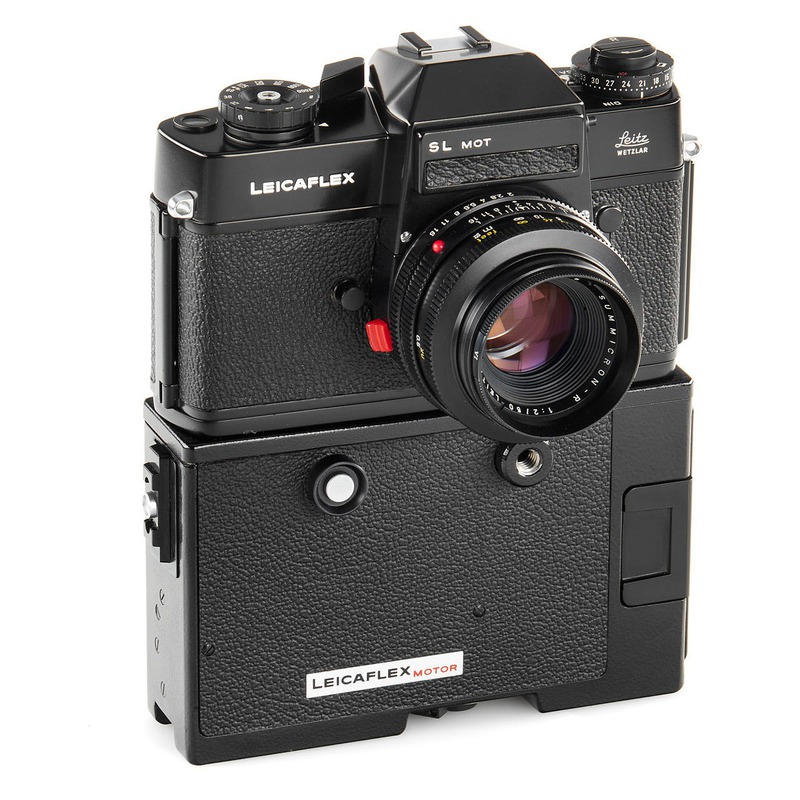
The Leicaflex SL prototype of 1968 represents a crucial development stage in Leica's transition to modern single-lens reflex (SLR) design. Preceding the production Leicaflex SL model introduced the same year, this prototype served as the testbed for integrating through-the-lens (TTL) exposure metering, a significant technological advancement for Leica. While sharing the robust, all-metal construction and traditional Leicaflex SL aesthetic – featuring the characteristic angular prism housing and prominent shutter speed dial – this prototype likely differed in minor details from the final production version, potentially reflecting earlier iterations of the metering system or internal layout. Its existence underscores Leica's commitment to refining the SLR concept and adapting it to contemporary demands for metering accuracy before releasing it to market.
As a direct precursor to the production Leicaflex SL, this prototype holds importance as the tangible evidence of Leica's engineering process during the late 1960s. The production SL model was significant in its own right as Leica's first SLR with TTL metering, bridging the gap between the earlier non-metering Leicaflex Standard and the subsequent Leicaflex SL2. This prototype therefore occupies a niche place within Leica's history, representing the critical step where the core TTL technology was finalized, paving the way for a successful and influential line of Leica SLR cameras that became workhorses for professionals and enthusiasts alike.
Specifications
| Film Format | 135 |
/main.jpg)
 Enjoy this museum? Support on Ko-fi