/main.jpg)
Pricing
Leica R4 MOT (w/motor)
Leica · Germany · 1982 · 135 film
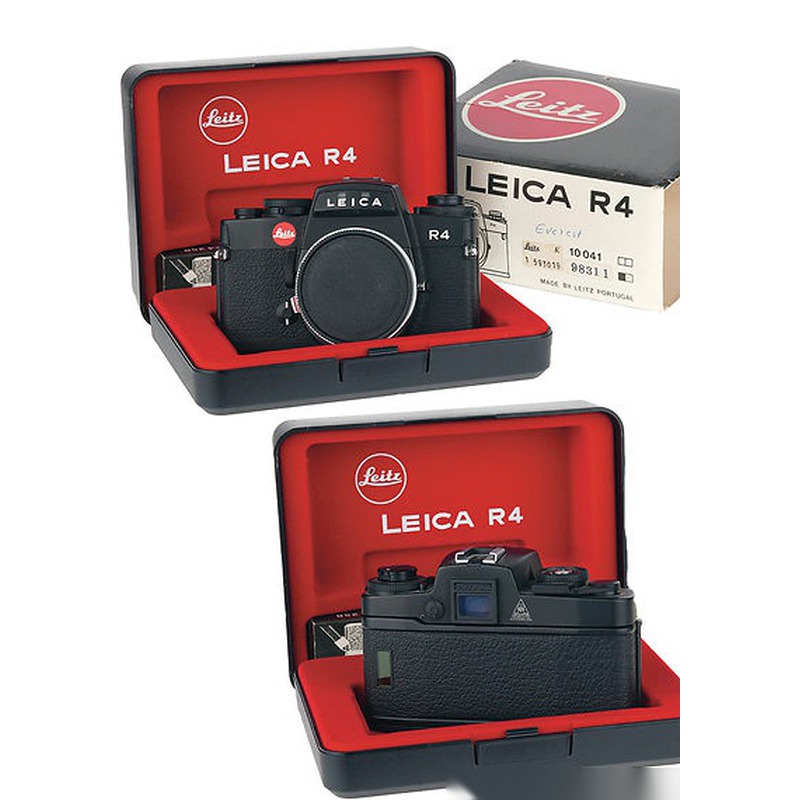
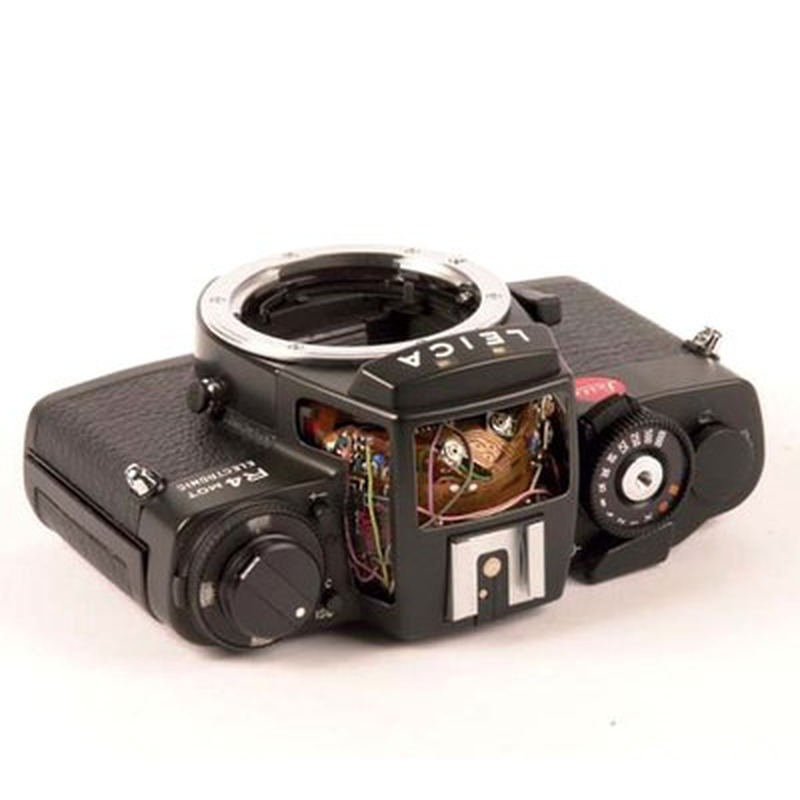
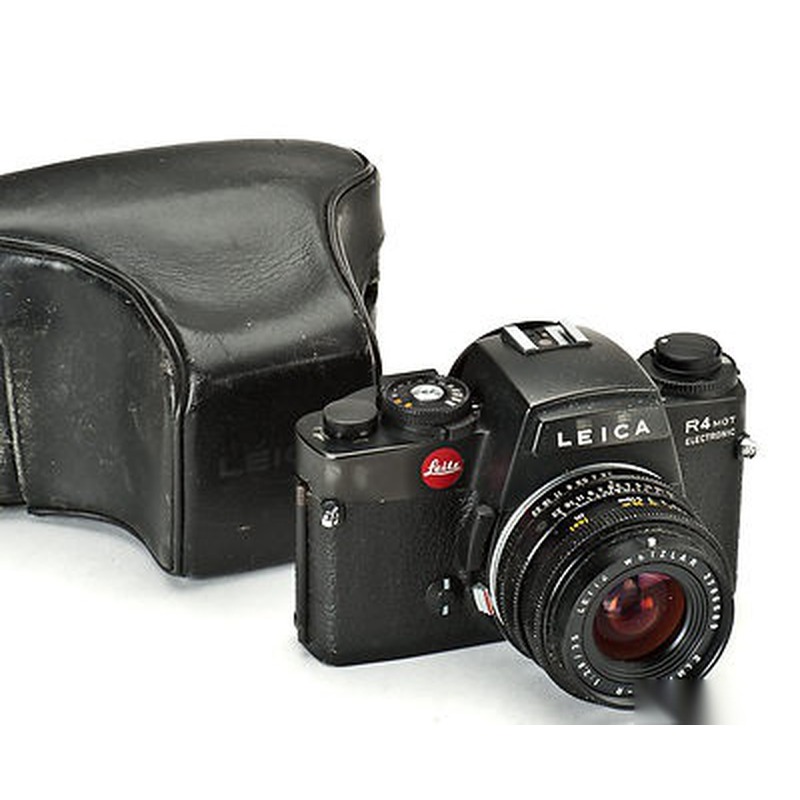
The Leica R4 MOT, introduced in 1982, represented a significant technological leap for the Leica R (SLR) system. It was the first Leica SLR to feature an electronically controlled vertical focal-plane shutter, offering precise speeds including accurate 1/1000th and synch speeds up to 1/200th. Furthermore, it pioneered through-the-lens (TTL) flash metering within the Leica R line, vastly improving flash exposure accuracy. The "MOT" designation specifically indicates the camera came equipped with a built-in motor drive, enabling continuous shooting capabilities at around 2 frames per second. This combination of electronic shutter control, advanced TTL flash integration, and built-in motorization positioned the R4 MOT as a high-performance, modern SLR, solidifying Leica's entry into the era of electronically controlled cameras while maintaining the system's renowned precision and optical excellence.
While not achieving the iconic status of the M3 or Nikon F, the R4 MOT was a pivotal and technically advanced camera. Its design, housed in a robust die-cast and metal body typical of Leica SLRs, offered significant handling improvements over its predecessors, including a larger viewfinder and improved ergonomics. The introduction of TTL flash control was a major advancement for studio and flash photography workflows. The built-in motor drive catered to sports, journalism, and other demanding applications. The R4 series, including the MOT variant, paved the way for subsequent electronically controlled Leica SLRs like the R6.2 and R7, making it an historically important step in the evolution of Leica's professional SLR lineup.
Specifications
| Film Format | 135 |
/main.jpg)
/main.jpg)
 Enjoy this museum? Support on Ko-fi