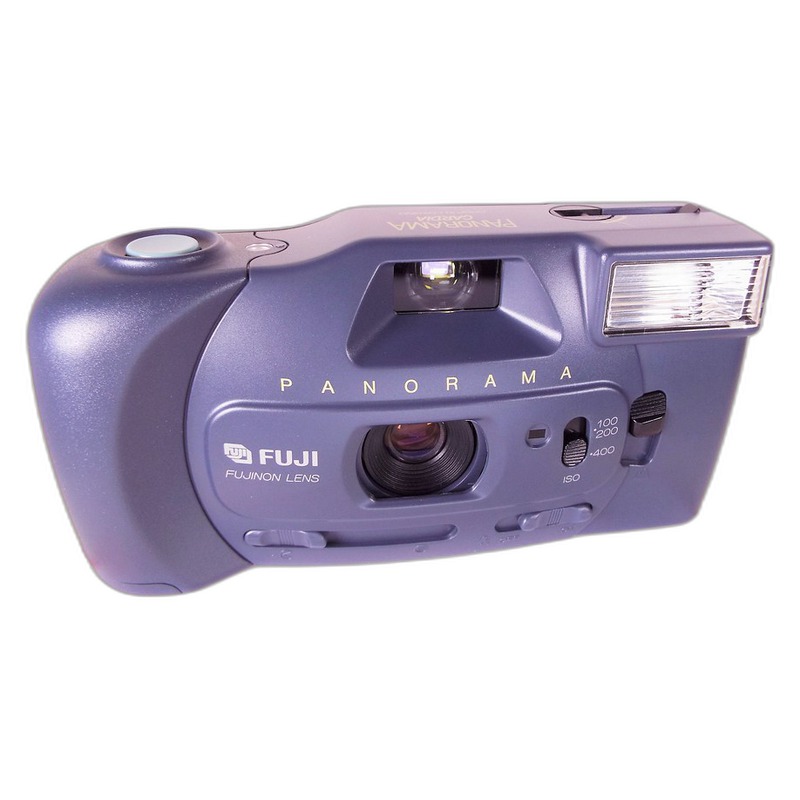
Fujifilm Fuji Panorama Cardia
Fujifilm · Japan · 1991 · 135 film
The Fuji Panorama Cardia is a compact 35mm point-and-shoot camera introduced by Fujifilm in 1991, designed specifically for capturing panoramic images. Its defining feature is a built-in masking system that crops the standard 35mm negative to produce a 24mm x 65mm panoramic format image directly in-camera, eliminating the need for post-processing cropping. Operated simply, it features a fixed focal length lens, auto focus, auto exposure, and a built-in flash, targeting consumers desiring an easy way to create wide, sweeping shots without specialized equipment. Released during the height of the film compact camera era, it represents Fujifilm's effort to capitalize on the novelty and aesthetic appeal of panoramic photography within the accessible point-and-shoot market segment.
Characterized by its straightforward operation and dedicated panoramic function, the Cardia exemplifies the trend of specialized, simplified cameras of its time. It lacks advanced controls or interchangeable systems, focusing purely on delivering a specific visual effect with minimal user intervention. Its compact, typically plastic body was designed for portability and everyday use rather than ruggedness or professional performance. While functional for its intended purpose, it does not represent a significant technological leap forward in camera design but rather a practical application of existing film and masking technology for a specific format.
Specifications
| Film Format | 135 |
Editorial Ratings
More from Fujifilm
/main.jpg)
Fujifilm Fuji DL 500 Wide Date (Discovery Mini Dual / Cardia Travel Mini Dual-P)
1991
/main.jpg)
Fujifilm Fuji FZ 950 Zoom (Discovery 900 Zoom Plus / Discovery 875 Zoom Plus / Zoom Cardia 950)
1991
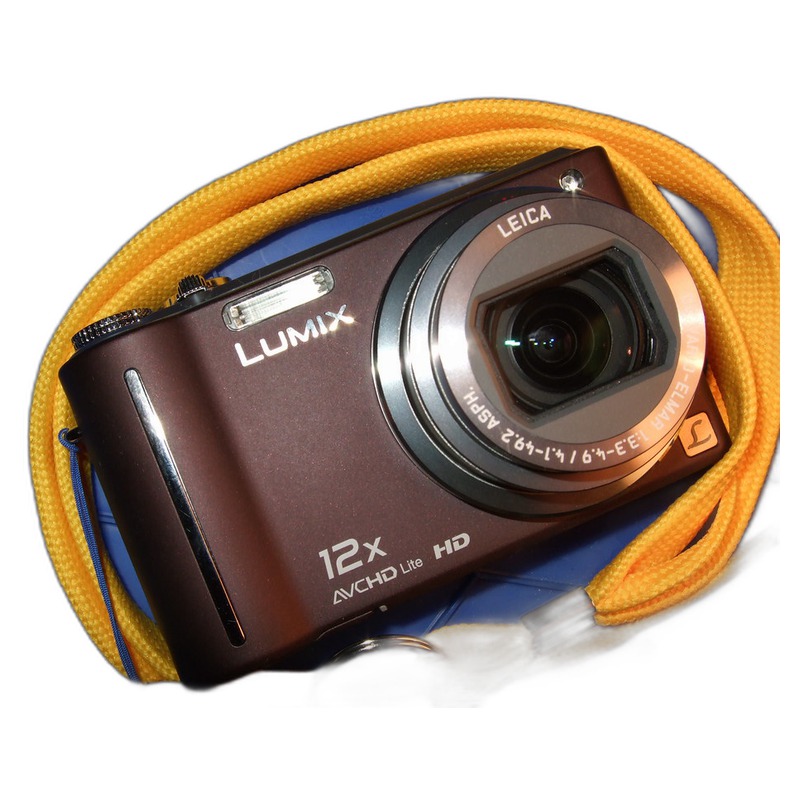
Fujifilm Winchester
1991
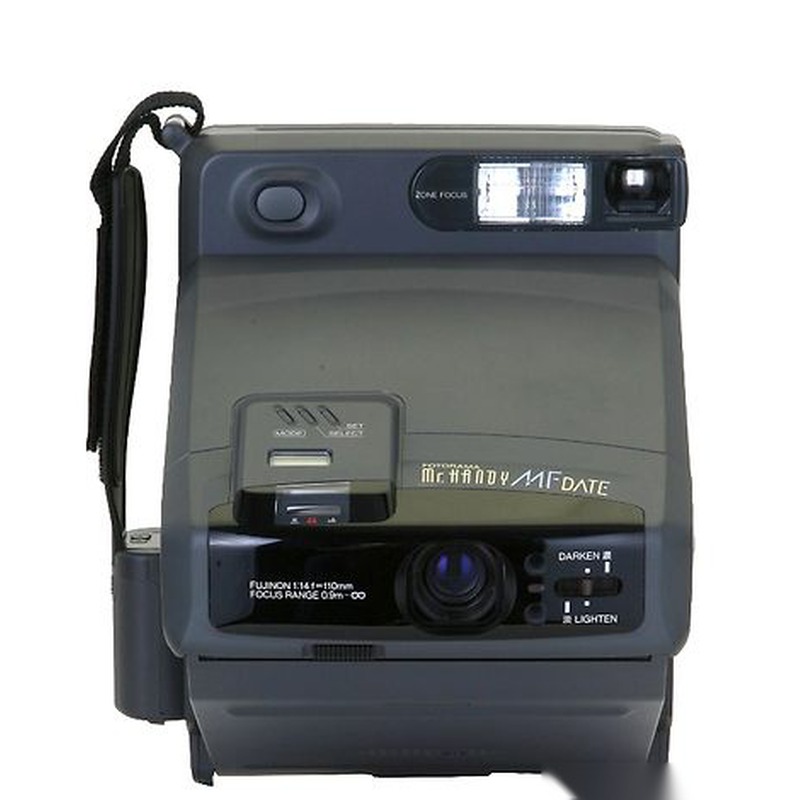
Fujifilm Fotorama Mr. Handy MF Date
1990
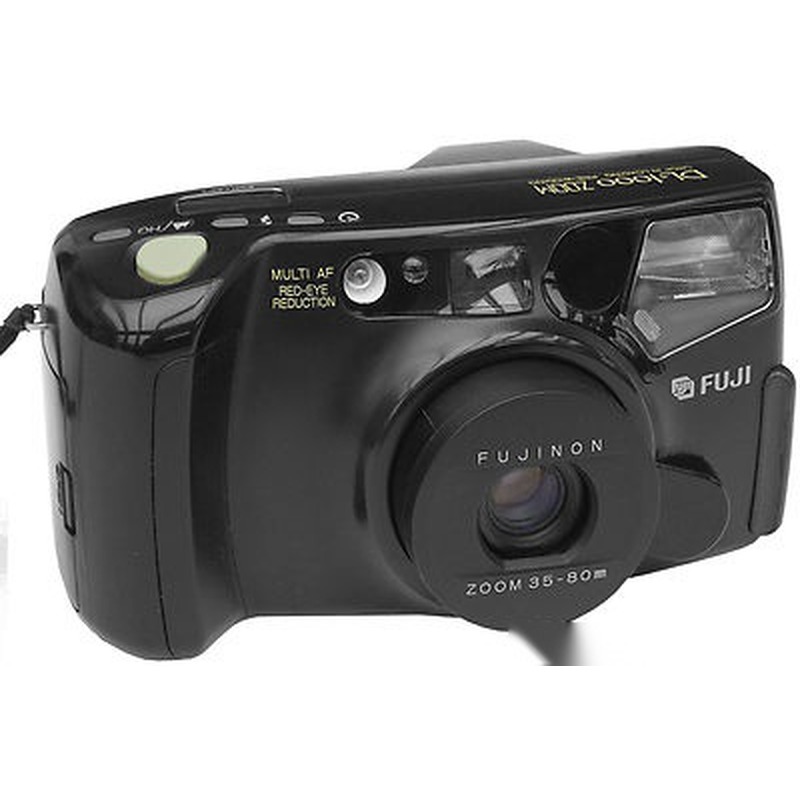
Fujifilm Fuji DL 1000 Zoom
1992
/main.jpg)
Fujifilm Fuji DL 180 Tele (Discovery 180 Tele / Tele Cardia 180)
1992
 Enjoy this museum? Support on Ko-fi