Pricing
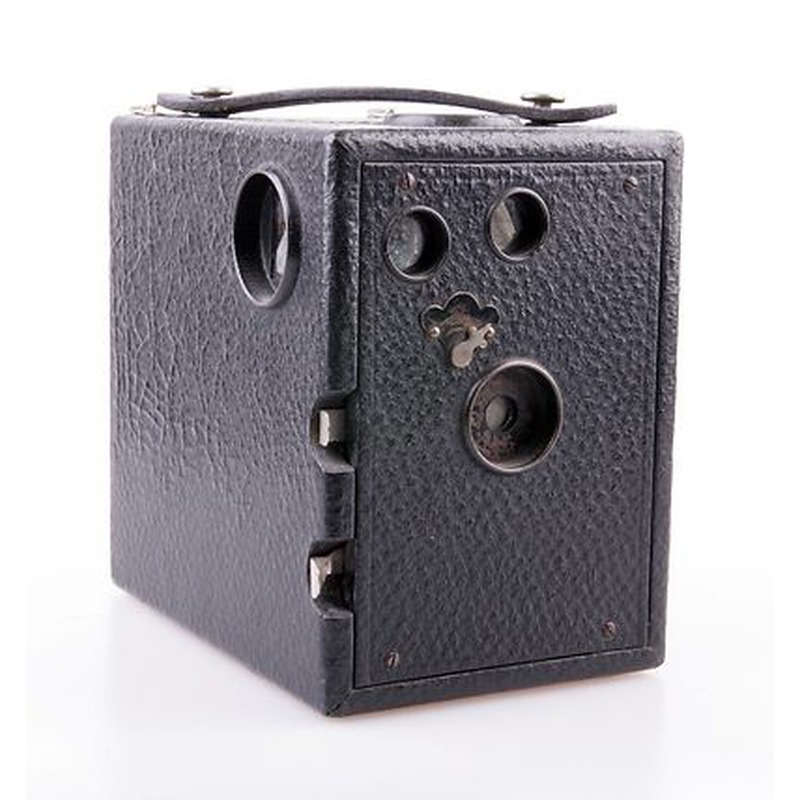
Kodak Premo Box Film
Kodak · USA · 1903–1908 (5 years) · 135 film
The Premo Box Film, produced by Kodak from 1903 to 1908, represents the company's pioneering entry into the 35mm film format market. As a box camera, it featured a simple, utilitarian design characteristic of Kodak's amateur-focused products of this period. The camera employed a basic single-element lens, a straightforward shutter mechanism, and simple roll-film transport, making it accessible to general consumers interested in snapshot photography. Its adoption of the relatively new 35mm format positioned the Premo Box Film as an early experiment in what would eventually become the standard film format for much of the 20th century. Despite its basic construction, the camera's use of 35mm film distinguished it from Kodak's more popular roll-film models, representing a strategic but ultimately transitional product in the company's lineup.
In the context of early 20th-century photography, the Premo Box Film served as a modest experiment rather than a revolutionary instrument. The 35mm format was still in its experimental phase during this period, with the camera primarily functioning as an alternative to Kodak's established roll-film offerings rather than a replacement. Its five-year production span suggests it found a niche among amateur photographers seeking a compact option for casual photography. While it lacks the technical sophistication or cultural impact of later 35mm cameras, the Premo Box Film holds historical interest as one of the earliest commercial applications of the 35mm format, predating more iconic models like the Leica I by over two decades and establishing Kodak's early interest in this then-nascent format.
Specifications
| Film Format | 135 |
/main.jpg)
/main.jpg)
 Enjoy this museum? Support on Ko-fi