/main.jpg)
Pricing
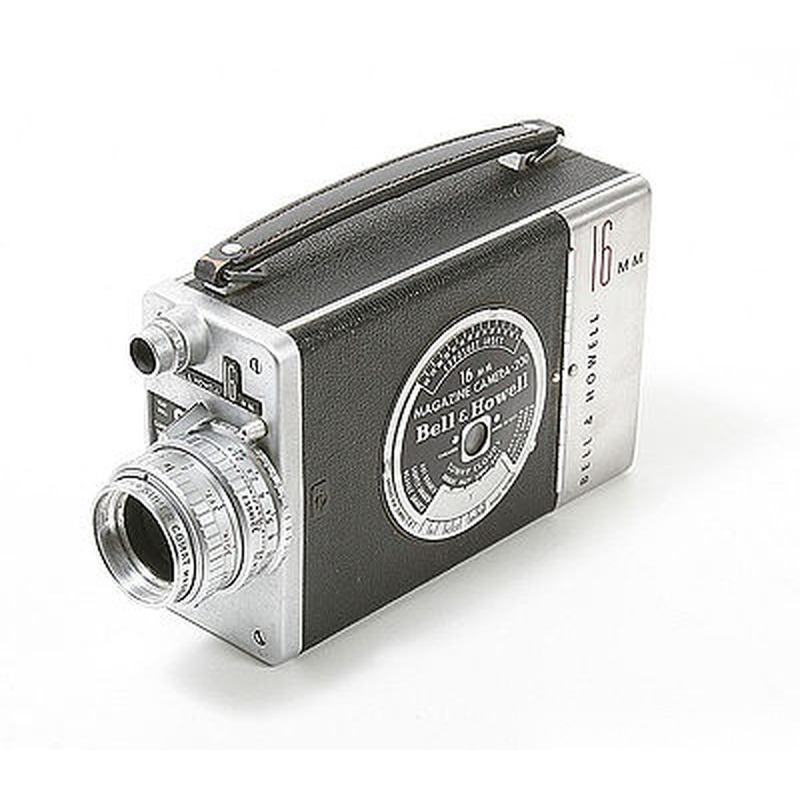
Bell & Howell 200 EE (Electric Eye)
Bell & Howell · USA · 1953 · 135 film
The Bell & Howell 200 EE (Electric Eye) represents a significant step towards automation in consumer-level 35mm photography during the early 1950s. Building on Bell & Howell's established reputation for precision and quality, primarily in cinema equipment, the 200 EE introduced automatic exposure control to its line of still cameras. This "electric eye" system utilized a selenium cell meter to automatically set the appropriate shutter speed and aperture combination based on available light, simplifying exposure for amateur photographers and reducing the need for manual calculations. The camera likely featured a simple, functional design typical of the era, emphasizing reliability and ease of use over complex features, and was part of Bell & Howell's strategy to extend their manufacturing expertise into the growing 35mm still camera market.
While not revolutionary compared to contemporaries like the Leica III series or emerging Japanese models, the 200 EE was a well-regarded and practical machine for its time. Its automatic exposure made it accessible to a broader audience, fitting neatly into the mid-tier consumer segment. The camera was constructed with the solid materials and robust engineering standards associated with the Bell & Howell brand, prioritizing durability and consistent performance. It stands as a representative example of American photographic engineering in the early post-war period, demonstrating the transition towards greater automation in camera design before the rapid advancements of the late 1950s and 1960s.
Specifications
| Film Format | 135 |
 Enjoy this museum? Support on Ko-fi