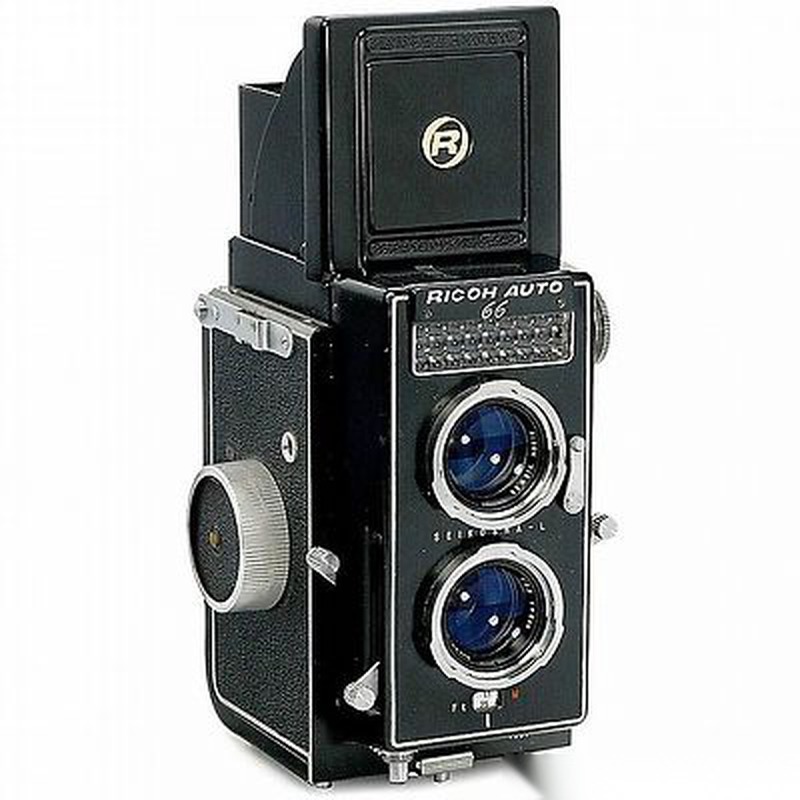
Riken Ricoh Auto 66
Riken · Japan · 1960–1964 (4 years) · 135 film
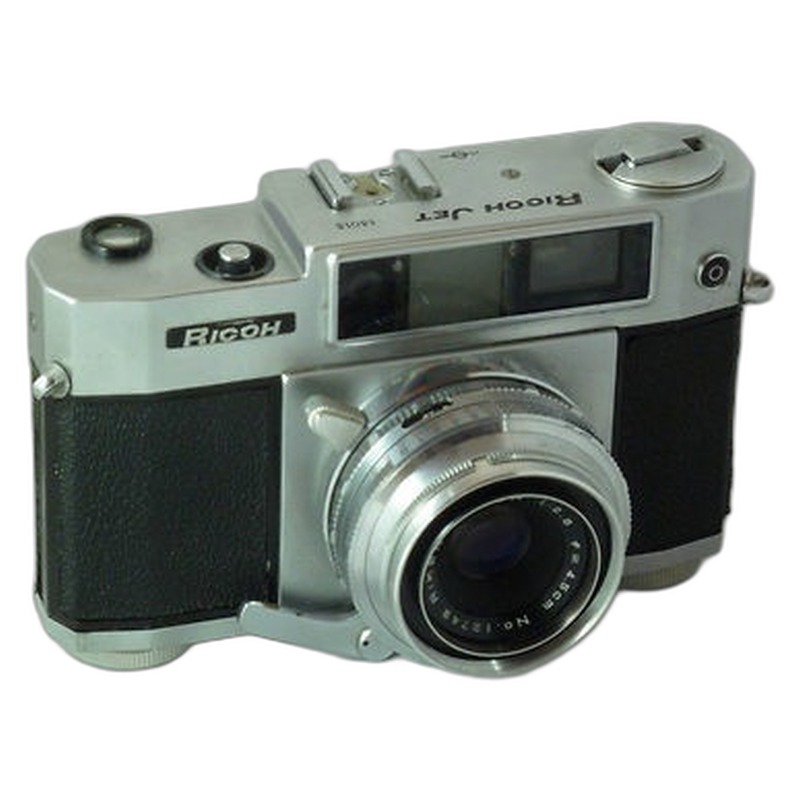
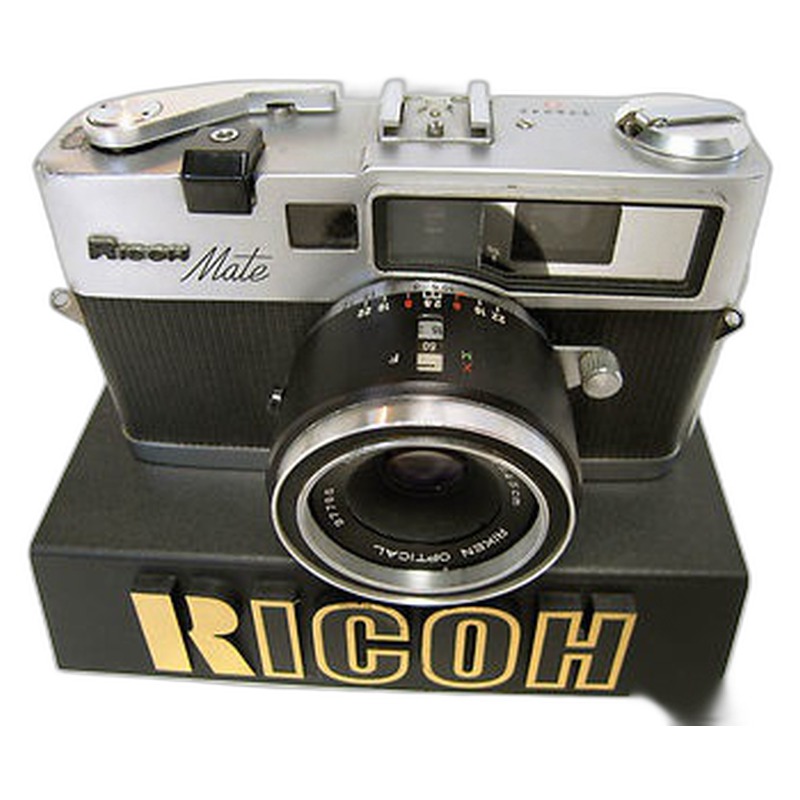
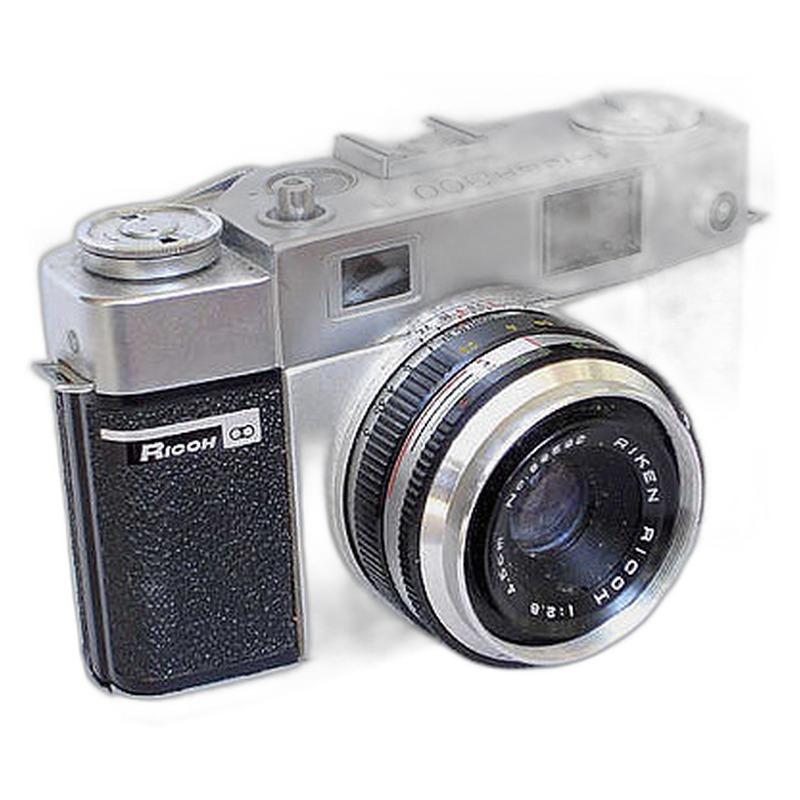
The Ricoh Auto 66, produced by Riken Industries from 1960 to 1964, represents a significant step in the democratization of 35mm photography during Japan's post-war camera boom. As an entry-level SLR, it targeted the growing market of amateur photographers seeking affordable yet technically advanced equipment. Its core innovation lay in featuring one of the first practical automatic exposure systems in a Japanese 35mm SLR, likely using selenium meter cells coupled with a mechanical shutter mechanism to set aperture automatically. This simplified the shooting process considerably compared to manual-only predecessors, making accurate exposure accessible to less experienced users. Constructed primarily from metal with simplified controls, the Auto 66 offered a straightforward, functional design focused on reliability and ease of use, positioning Ricoh alongside other emerging Japanese brands like Petri and Konica in offering competent alternatives to established European names.
While not achieving legendary status like the contemporary Nikon F or Pent Spotmatic, the Ricoh Auto 66 holds historical importance as a representative example of the affordable, automatic-exposure SLR wave that expanded photographic capabilities to a mass audience. Its production span reflects the intense competition and rapid technological evolution of the early 1960s Japanese camera industry. The camera embodies the era's shift towards automation and accessibility, demonstrating how Japanese manufacturers progressively incorporated advanced features into more accessible price points, ultimately contributing to the global dominance of Japanese SLRs later in the decade. Its practical design and reliable, if basic, operation made it a sensible tool for countless hobbyists.
Specifications
| Film Format | 135 |
 Enjoy this museum? Support on Ko-fi