/main.jpg)
Pricing
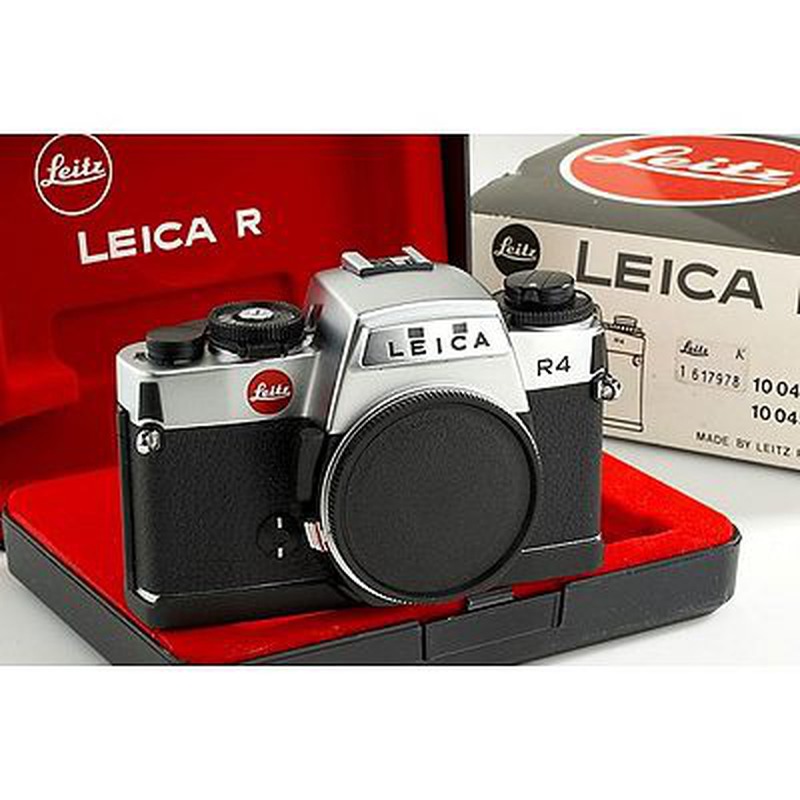
Leica R4 MOT electronic (chrome)
Leica · Germany · 1980 · 135 film
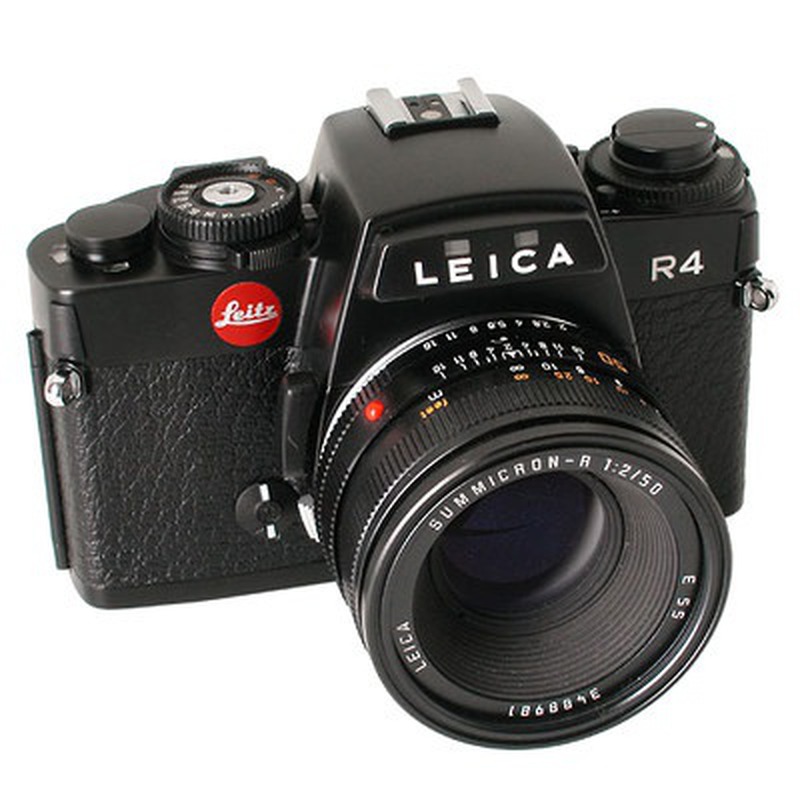
Introduced in 1980, the Leica R4 MOT electronic (chrome) represented a significant technological and operational shift within the Leica R-series SLR system. Building upon the foundation of the earlier R3, the R4 incorporated crucial electronic controls, notably an electronically controlled shutter offering stepless speeds from 8 seconds to 1/1000th second, alongside a fully automatic aperture-priority mode. This automation marked a move towards greater user convenience and precision compared to its purely mechanical predecessors. The camera retained Leica's renowned build quality with a robust magnesium alloy body and offered reliable through-the-lens (TTL) metering, including center-weighted and selective metering patterns, ensuring accurate exposure control. Designed as a versatile tool for both professional and advanced amateur photographers, the R4 series, including the MOT electronic model, cemented Leica's position in the high-end SLR market during the early 1980s by blending traditional craftsmanship with modern electronic sophistication.
While the R4 series introduced valuable automation and solidified Leica's R-system evolution, it did not achieve the iconic status of some contemporaries or earlier Leica models. Its innovations were significant within Leica's own timeline but not revolutionary on a global scale like certain Nikon or Canon SLRs. The chrome finish exemplifies Leica's understated, functional aesthetic. The R4 served effectively as a reliable workhorse, particularly valued for its excellent viewfinder, smooth film transport, and compatibility with the extensive Leica R lens range. Its importance lies in being a crucial, modernizing step for Leica SLRs, bridging the gap between their mechanical heritage and the increasingly electronic future of photography, rather than being a groundbreaking camera in its own right.
Specifications
| Film Format | 135 |
_(1980)/main.jpg)
_(flip-up_viewfinder)/main.jpg)
 Enjoy this museum? Support on Ko-fi