/main.jpg)
Pricing
Agfa Isola (6x6)
Agfa · Germany · 1956 · 120 film
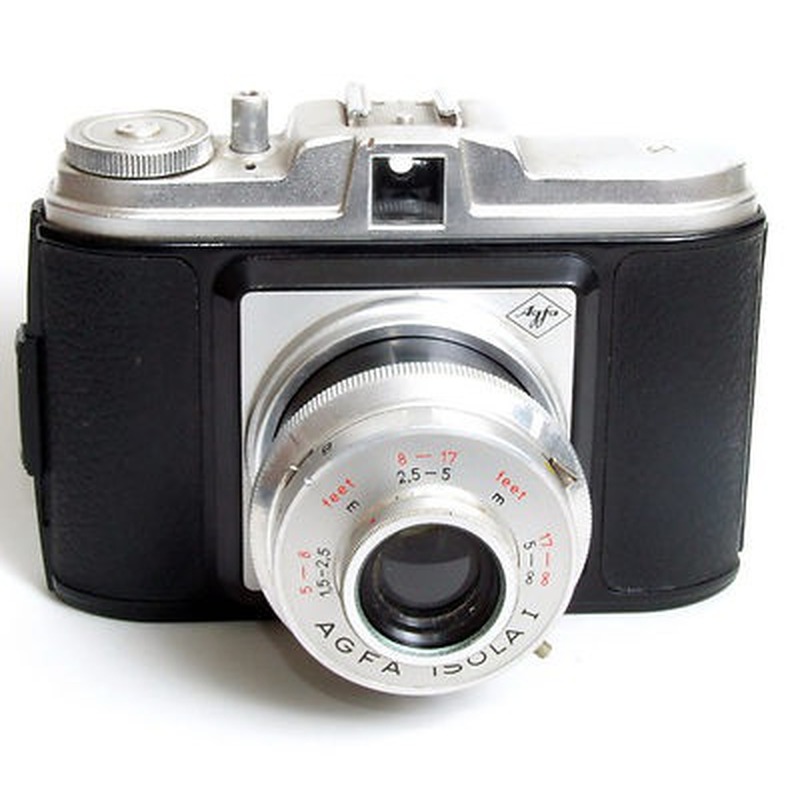
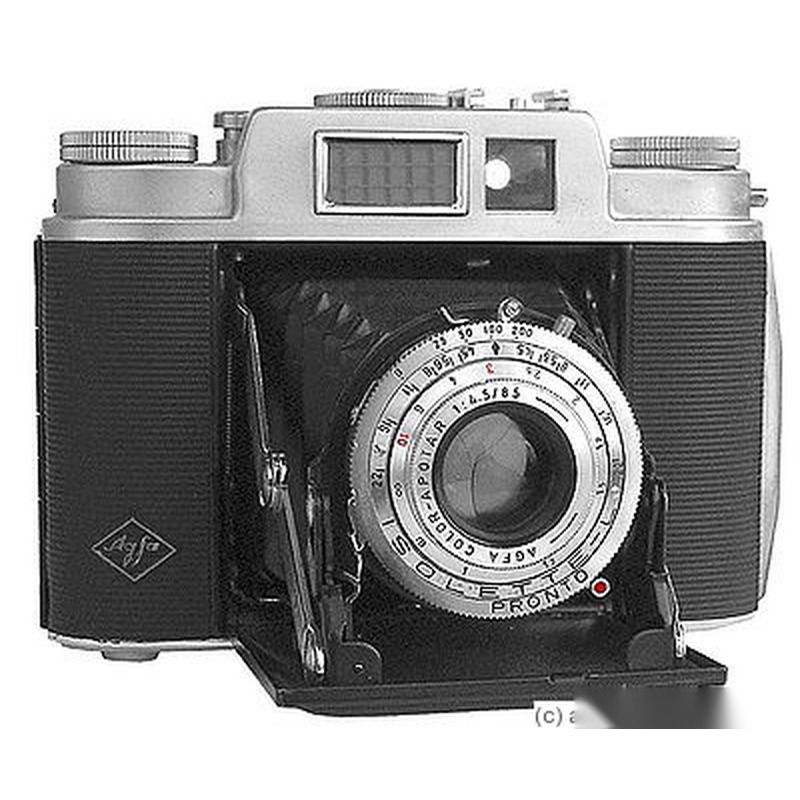
The Agfa Isola (6x6) represents a mid-range entry into the medium format TLR (Twin Lens Reflex) market, introduced by Agfa in 1956. Aimed at serious amateur photographers seeking the quality of 6x6 negatives found in its more complex contemporaries like Rolleiflex, but at a more accessible price point, the Isola prioritized simplicity and functionality. It features a straightforward metal body construction, typically covered in simulated leather, with a fixed waist-level finder and a basic selenium light meter coupled to the taking lens. Its 75mm f/3.5 Agfa Isar lens was a standard performer for the time, capable of producing sharp negatives on 120 film, while the simple shutter speeds and aperture controls ensured ease of use.
Agfa positioned the Isola as a practical tool for enthusiasts transitioning from smaller formats into medium format photography. Its design embodies the post-war German approach to camera manufacturing – functional, well-engineered for its intended purpose, but lacking the high-end materials and sophisticated features of professional models. While it offered the coveted 6x6 frame and the compositional advantage of a TLR, it didn't introduce any groundbreaking innovations, instead relying on proven technology. Its significance lies in being a representative example of the mid-tier medium format TLR that filled the gap between basic box cameras and elite professional systems during the 1950s.
Specifications
| Film Format | 120 |
/main.jpg)
 Enjoy this museum? Support on Ko-fi