Pricing
Konica Idea Spring
Konica · Japan · 1926–1940 (14 years) · 135 film
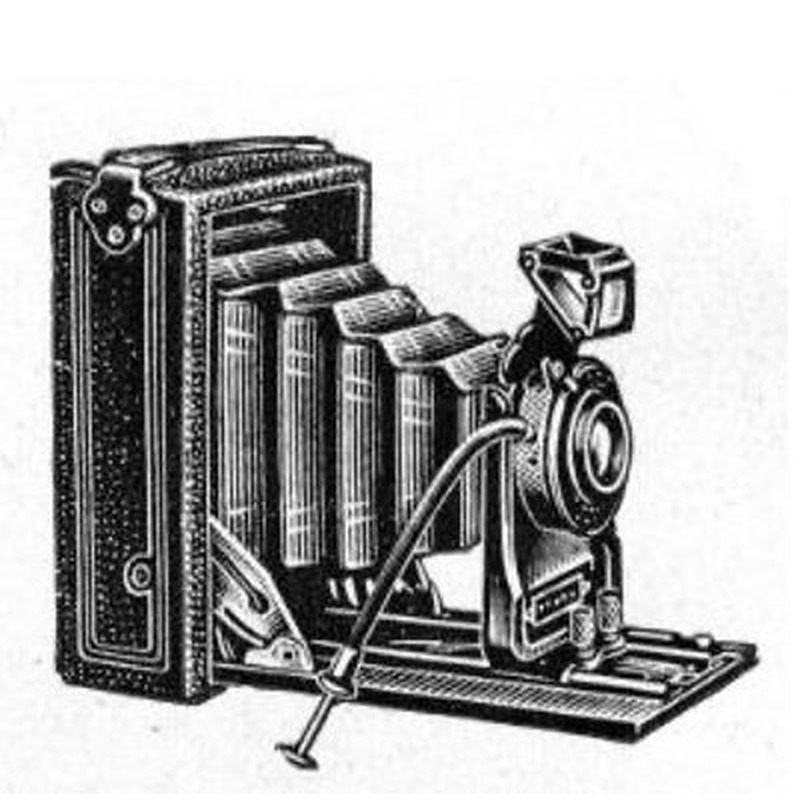
The Konica Idea Spring stands as a testament to Konica's early foray into the 35mm format market during the formative years of miniature photography. Produced continuously from 1926 to 1940, it represented a significant step for the Japanese company as it established itself as a competitor to the dominant European manufacturers. Designed as a practical, no-frills camera, the Idea Spring utilized the standardized 135 film cassette that would become the industry norm. Its construction, typical of the era, employed metal body panels and basic controls likely focused on reliability and affordability for the amateur photographer. While lacking the groundbreaking innovations of contemporaries like the Leica I, the Idea Spring's long production lifespan indicates it fulfilled a consistent need in the market, offering a simple and accessible entry point into 35mm photography for Japanese consumers during a period of significant technological development.
As a workhorse camera, the Idea Spring prioritized function over form, featuring a simple shutter system, a basic viewfinder, and a fixed or limited range lens. Its design embodies the incremental advancements of 1930s Japanese camera manufacturing, providing a user-friendly experience without the complexity or expense of high-end models. Its significance lies less in individual technical leaps and more in Konica's sustained commitment to the 35mm format during a critical period, contributing to the broader adoption of small-format photography. It represents a solid, reliable tool from an era when 35mm was still establishing its dominance, rather than a pioneering or landmark instrument.
Specifications
| Film Format | 135 |

 Enjoy this museum? Support on Ko-fi