Pricing
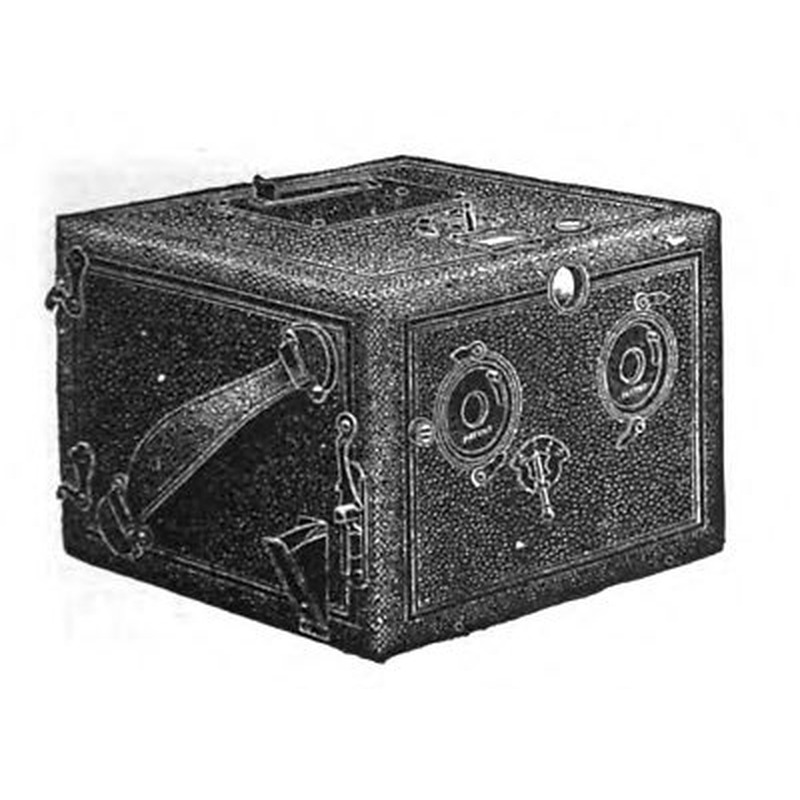
Houghton Stereo Holborn-Ilex 14
Houghton · UK · 1905–1906 (1 years) · 135 film
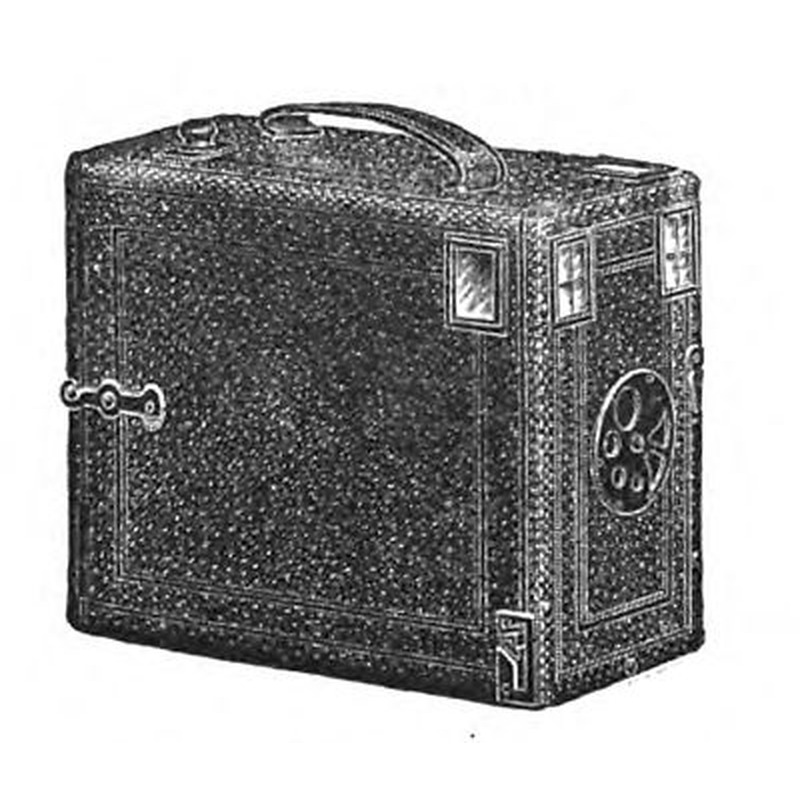
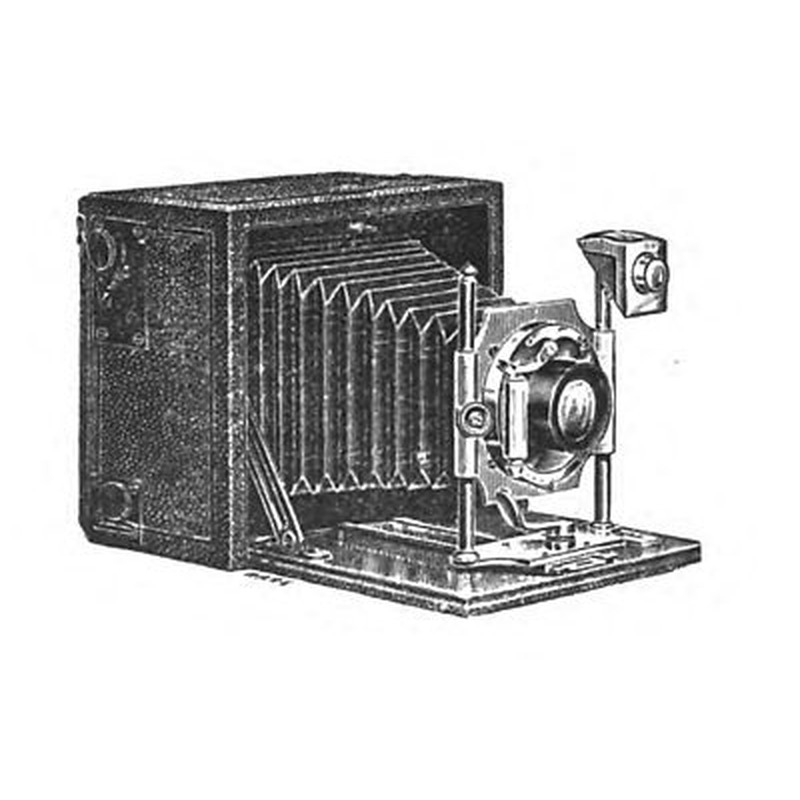
The Stereo Holborn-Ilex 14 represents an interesting transitional period in photographic history. Produced by Houghton in 1905-1906, this camera utilized 135 format (35mm) film—a format that would not become standard for still photography until the introduction of the Leica nearly two decades later. As a stereo camera, it was designed to produce two slightly offset images that, when viewed through a stereoscope, create a three-dimensional effect—a technique popular in the late Victorian and early Edwardian eras for its immersive quality. The camera's production dates place it at the dawn of the 20th century when photography was transitioning from glass plates to flexible film formats, making it an artifact of technological experimentation in the medium.
Though not as historically transformative as later cameras that would define photography, the Holborn-Ilex 14 holds interest for its early adoption of 35mm film in a still photography context and its specialized stereo function. The fact that it remained in production for only a brief period suggests either limited market appeal for stereoscopic photography at the time or the challenges of adapting the still-emerging 35mm format to stereo capture. Its existence points to the diverse experimentation with formats and techniques that characterized photography's evolution before the medium settled on more standardized approaches in the mid-20th century.
Specifications
| Film Format | 135 |
/main.jpg)
 Enjoy this museum? Support on Ko-fi