Pricing
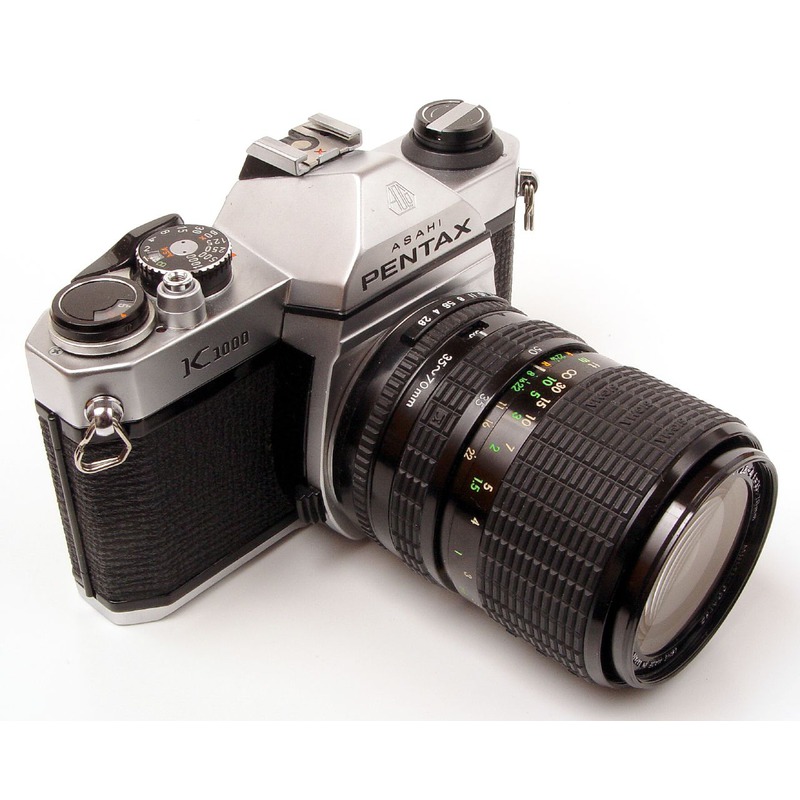
Pentax K1000
Pentax · Japan · 1976–1997 (21 years) · 135 film
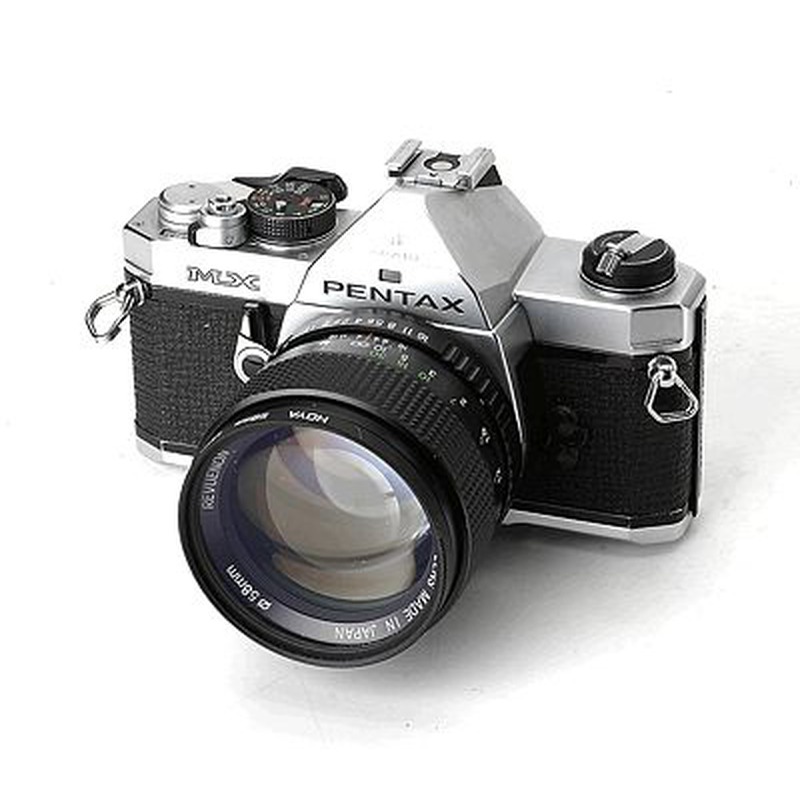
The Pentax K1000, produced from 1976 to 1997, stands as one of the most successful and enduring cameras in photographic history. Introduced as an entry-level SLR, its mechanical shutter (operating without batteries for all functions except light metering) and robust metal construction made it remarkably reliable for both amateurs and professionals. The camera's longevity—21 years of continuous production—is a testament to its well-thought-out design, which emphasized functionality over technological complexity. Its use in photography education worldwide cemented its status as a learning tool, with countless photographers cutting their teeth on its straightforward controls.
Manufactured by Pentax as part of their K-series, the K1000 featured the Pentax K bayonet mount, which became a widely adopted standard in the industry. This mount, combined with the camera's compatibility with a vast ecosystem of lenses, gave photographers exceptional flexibility for different shooting situations. Technically, the camera offered a vertical metal focal-plane shutter with speeds ranging from 1 second to 1/1000 second plus bulb mode, along with through-the-lens (TTL) light metering. The split-image focusing screen in the viewfinder was particularly appreciated by photographers seeking precise manual focusing in challenging conditions. While not associated with any single famous photographer, its reputation for dependability made it a trusted companion for photojournalists, documentary photographers, and educators during an era of rapid technological change in photography.
Specifications
| Type | SLR |
| Film Format | 135 |
| Lens / Mount | Pentax K bayonet mount |
 Enjoy this museum? Support on Ko-fi