/main.jpg)
Pricing
Agfa Isolette (before war)
Agfa · Germany · 1938–1942 (4 years) · 135 film
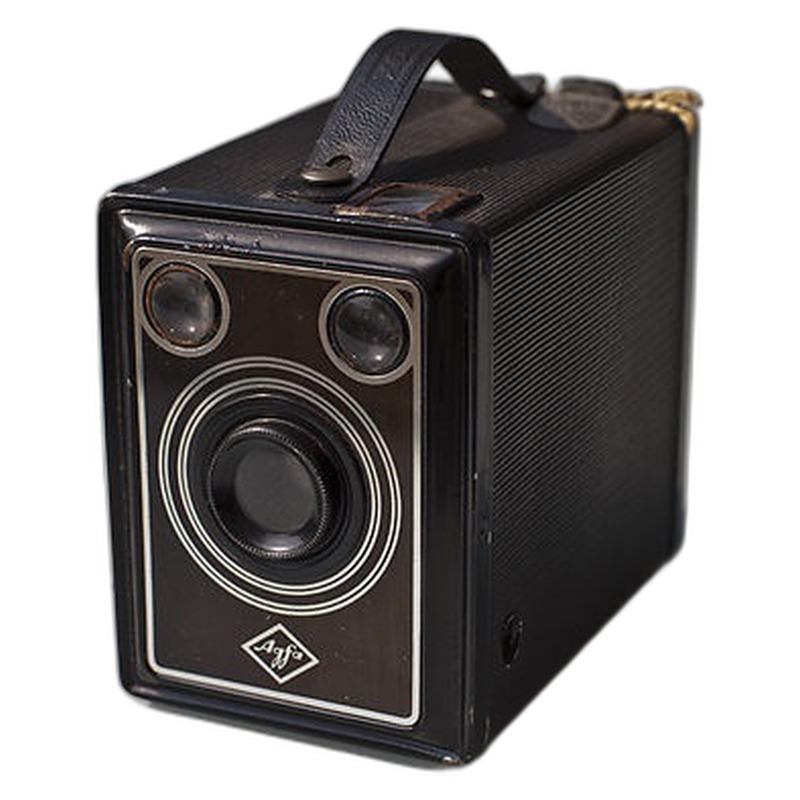
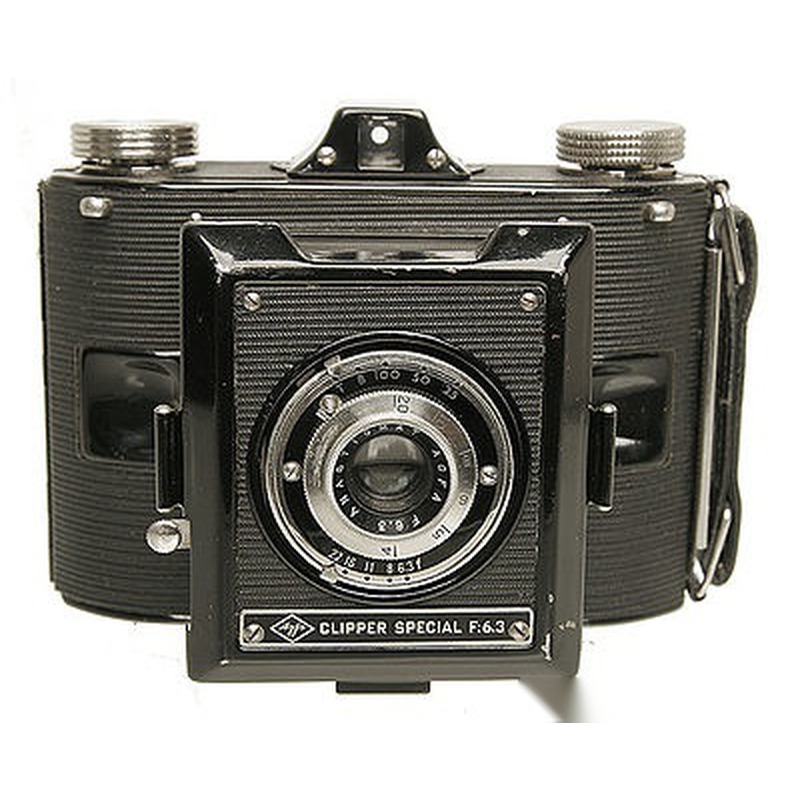
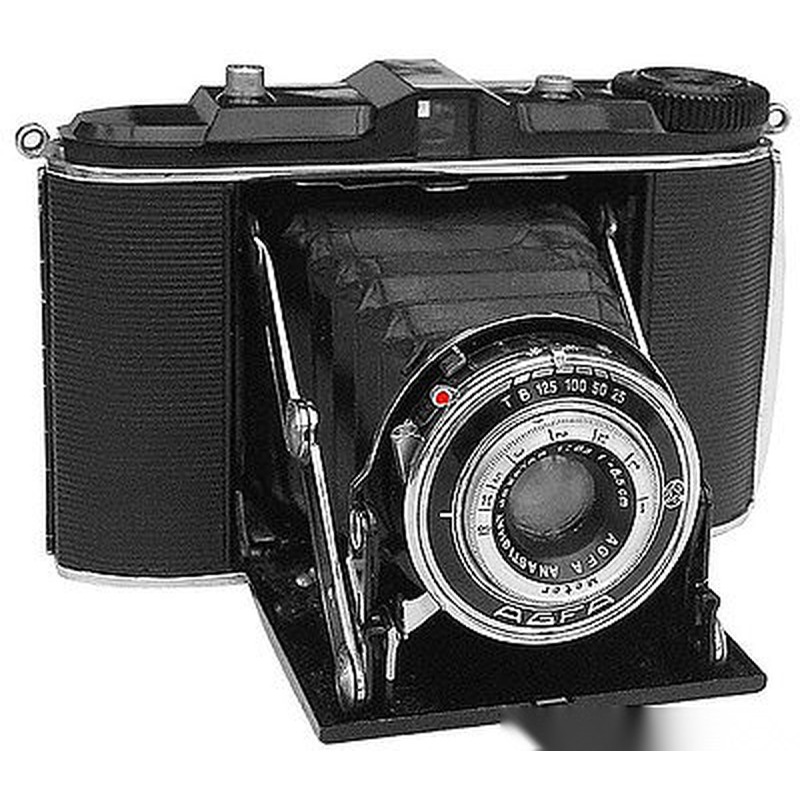
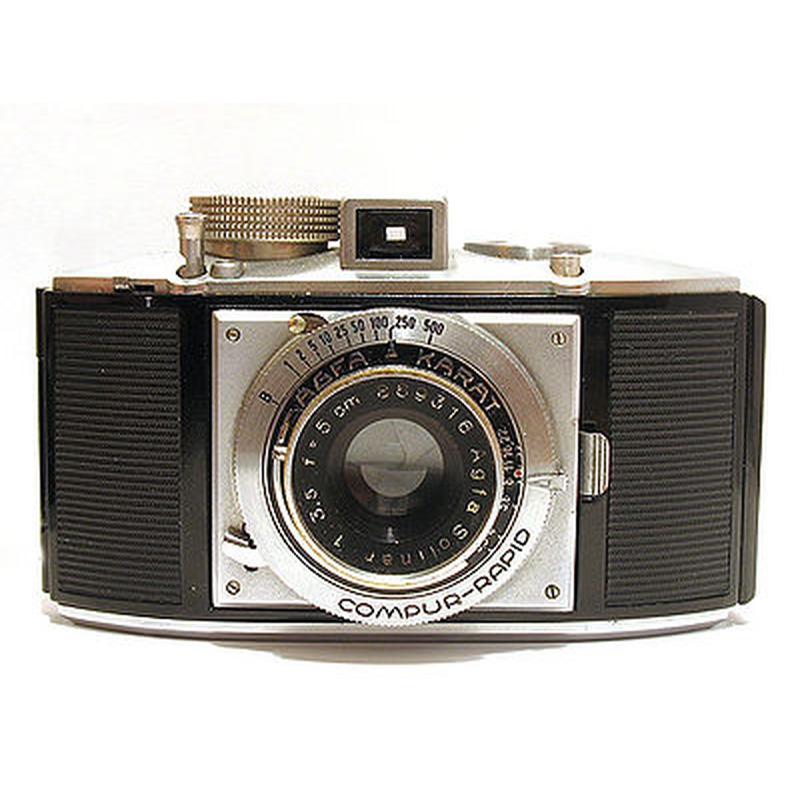
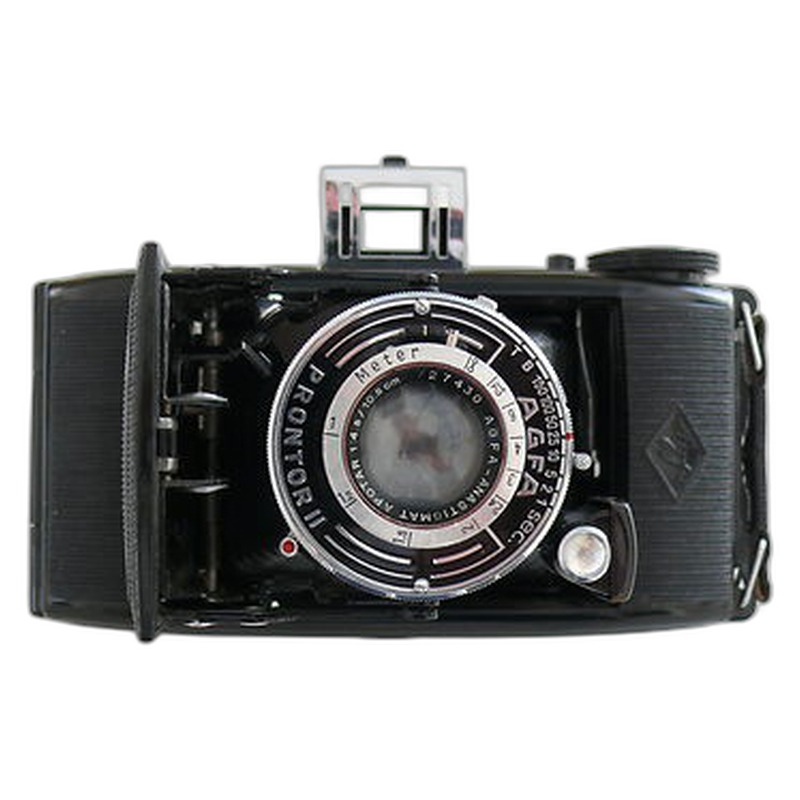
The Agfa Isolette (pre-war) was a compact 35mm folding camera introduced in 1938, positioned in the market as a more affordable alternative to premium German rangefinder models like the Leica. While sharing the collapsible body design characteristic of Agfa's Isolette line (which primarily utilized 120 roll film), this specific 135 (35mm) version offered enthusiasts a portable solution using then-emerging small-format film. It featured a simple, utilitarian construction, typically with a viewfinder (rather than a coupled rangefinder) and a basic shutter speed and aperture control system, aimed at serious amateurs seeking a quality but accessible German-built camera before the wartime production halt in 1942. Its significance lies in its representation of the mid-tier German camera industry, offering reliable 35mm functionality without the expense of its flagship contemporaries.
Designed for everyday photography, the Isolette 135 employed a rigid metal body covered in black leatherette, coupled with folding bellows extending the lens forward when in use. Standard equipment included an Agfa-Anastigmat or similar triplet lens, mounted with a Prontor-S or Compur shutter providing speeds typically from 1 second to 1/500th or 1/300th, and an accessory shoe for flash sync. It represented a practical, well-engineered tool for hobbyists during a pivotal era in 35mm photography's development, bridging the gap between simpler snapshot cameras and complex professional systems produced in Germany just before the conflict disrupted manufacturing.
Specifications
| Film Format | 135 |
/main.jpg)
 Enjoy this museum? Support on Ko-fi