Pricing
Ernemann HEAG XVI
Ernemann · Germany · 1909–1918 (9 years) · 135 film
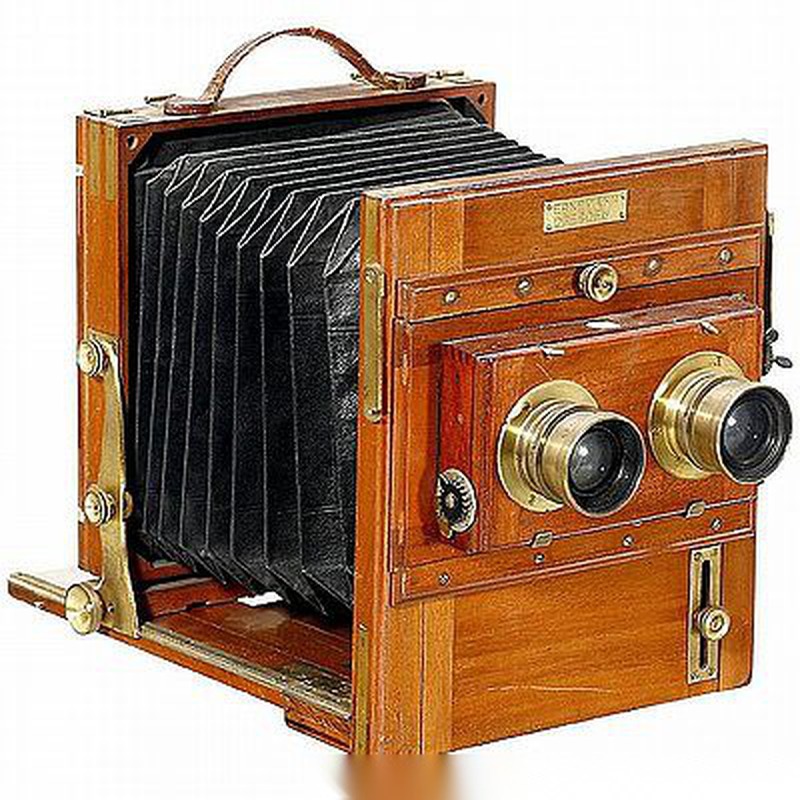
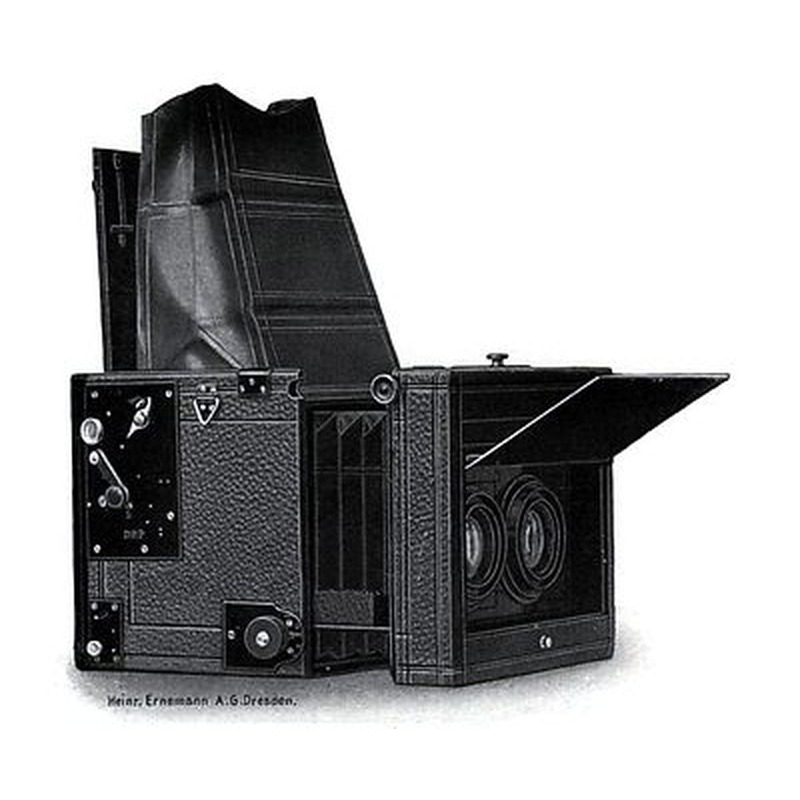
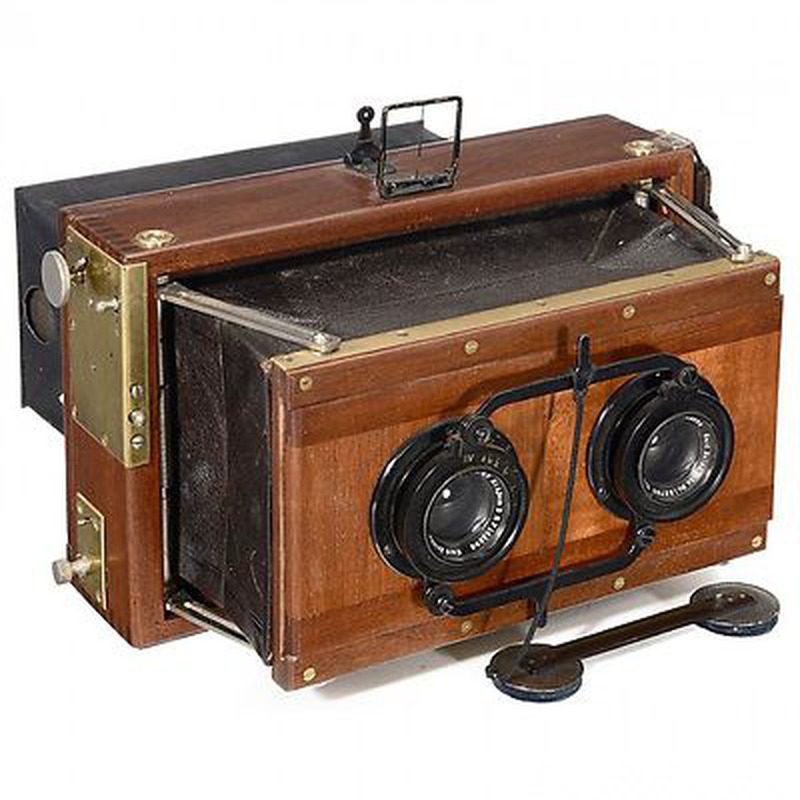
Produced by the German manufacturer Ernemann between 1909 and 1918, the HEAG XVI occupies a significant niche as an early adopter of the 135 format, later known as 35mm. As one of the cameras produced during the critical transition period before Leica commercialized the format, it represents the practical application of miniature film for still photography. While lacking the fame of later pioneers, the HEAG XVI embodies the experimentation and engineering efforts of its era, offering a compact form factor compared to contemporary plate and roll-film cameras. Its construction likely prioritized functionality and portability, reflecting Ernemann's established expertise in optics and camera design before their merger into Zeiss-Ikon.
The camera's basic character is that of a practical, user-oriented tool. Designed to utilize the 135 cassette film, it provided photographers with a more convenient and portable alternative to bulkier equipment of the time. Its design would have focused on essential features for exposure and focusing, without the complex systems found on later high-end models. The HEAG XVI stands as a tangible piece of early 20th-century camera history, representing the incremental steps towards the small-format revolution that would eventually transform photography.
Specifications
| Film Format | 135 |
/main.jpg)
/main.jpg)
/main.jpg)
 Enjoy this museum? Support on Ko-fi