Pricing
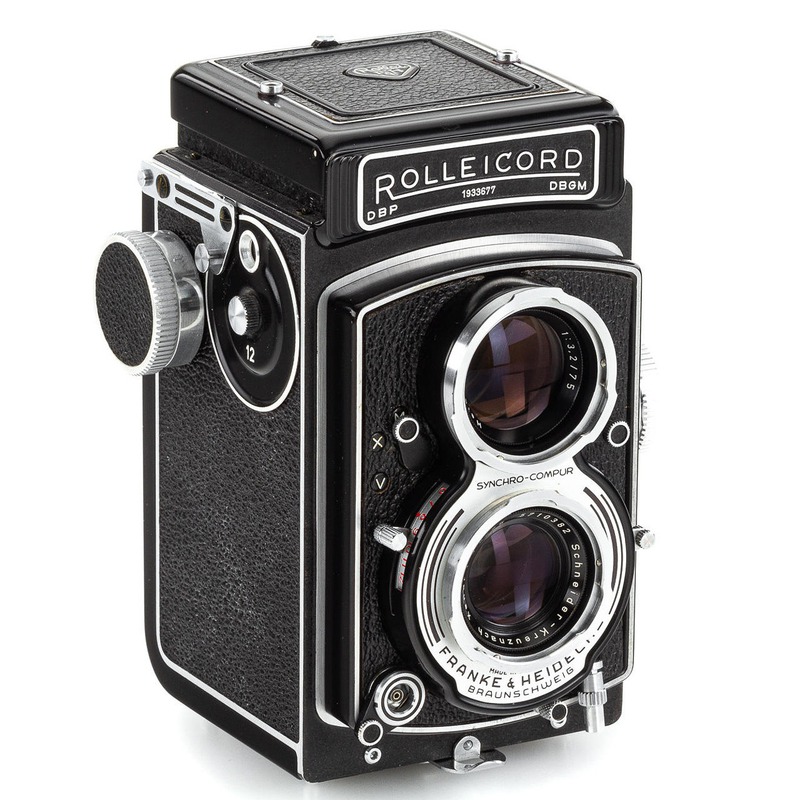
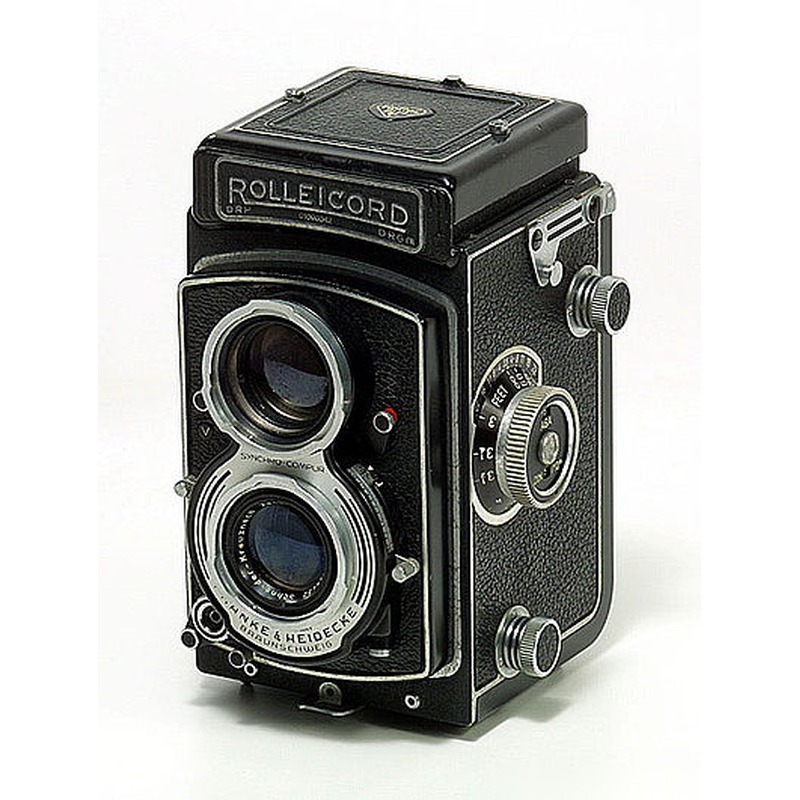
Rolleicord Va
Rollei · Germany · 1957–1961 (4 years) · 120 film
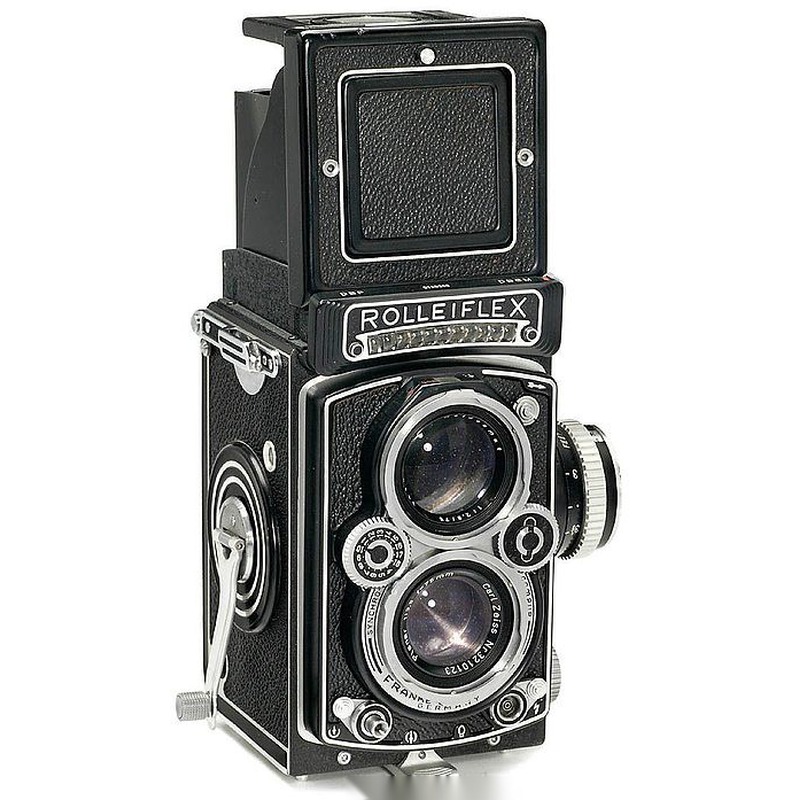
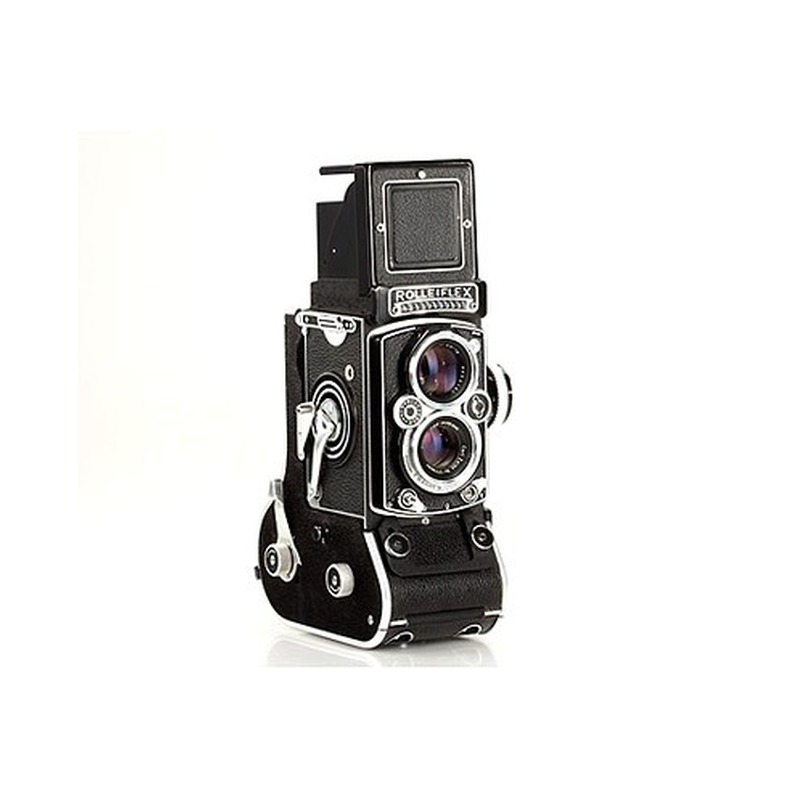
The Rolleicord Va represents an accessible entry into the world of twin-lens reflex (TLR) photography, produced by Rollei during the 1957-1961 period as a more budget-conscious alternative to its prestigious sibling, the Rolleiflex. Sharing the fundamental TLR layout with waist-level finder and coupled rangefinder for precise focusing, the Va provided photographers with the significant image quality advantages of medium format (120 film) at a significantly lower cost. Characterized by simpler materials like aluminum alloy bodies and fewer features compared to the all- Rolleiflex line, it nonetheless offered Rollei's renowned precision engineering, reliable shutters (typically Prontor or Compur), and robust build quality, making it a dependable workhorse for serious amateurs and professionals seeking the benefits of 6x6cm negatives without the premium price. Its enduring appeal lies in this combination of Rollei's optical excellence and practical, accessible design.
Functionally straightforward, the Rolleicord Va utilized the iconic Twin-Lens Reflex design, with the taking and viewing lenses being optically matched and fixed focus movements ensuring parallax-free framing. Exposure control was manual, typically involving a coupled selenium cell light meter (a significant feature for its time) rotating film speed knobs, aperture rings, and shutter speed selectors on the lens panels or shutter housing. The camera employed a crank film transport with a double exposure prevention mechanism, advancing one 120 roll to produce twelve 6x6cm exposures. Its character embodies the post-war era's emphasis on reliable, quality-focused photography tools, enabling countless users to create sharp, well-composed images with the forgiving latitude and rich detail inherent to medium format negatives.
Specifications
| Film Format | 120 |
/main.jpg)
 Enjoy this museum? Support on Ko-fi