/main.jpg)
Pricing
Konica Aerial Camera (Spring Motor)
Konica · Japan · 1939 · 135 film
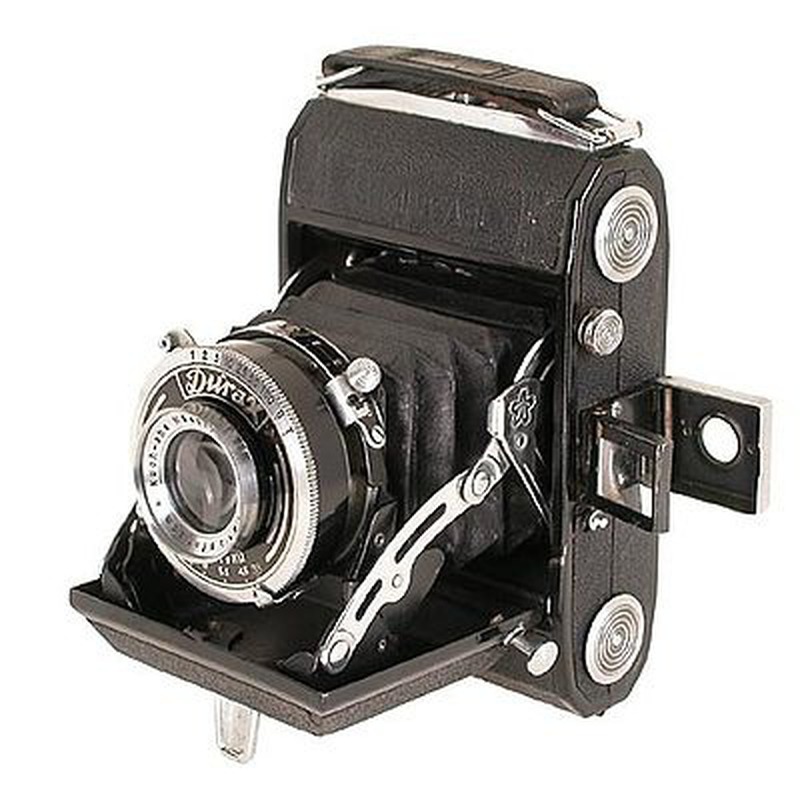
The Konica Aerial Camera (Spring Motor) represents a specialized instrument introduced in 1939, targeting the demanding field of aerial photography. Built upon Konishiroku's growing expertise in 35mm technology, this camera utilized the then-emerging 135 format for reconnaissance and survey work. Its defining feature was the integrated spring motor drive, designed for reliable, wind-free operation in the confined and often vibrating environment of aircraft cockpits, eliminating the need for external power sources or cumbersome hand winding during critical flight sequences. This focus on mechanical reliability and operational efficiency highlights its purpose: capturing clear, consistent images from the air, likely for military mapping, infrastructure planning, or topographical surveying during a period of significant global tension.
While not achieving the widespread recognition of landmark 35mm systems like the contemporary Leica rangefinders, the Konica Aerial Camera holds niche importance within the history of aviation and survey photography. Its construction prioritized ruggedness and precision engineering to withstand the harsh conditions of aerial use, utilizing robust materials and simplified controls essential for use while wearing gloves or under stress. It stands as a testament to Konica's early ventures into specialized industrial and scientific photography applications, demonstrating the adaptation of 35mm principles to meet specific, high-stakes operational demands far beyond consumer or documentary use. Its legacy lies in its role as a functional tool in the pre and early-war era of aerial reconnaissance.
Specifications
| Film Format | 135 |
/main.jpg)
/main.jpg)
/main.jpg)
/main.jpg)
 Enjoy this museum? Support on Ko-fi