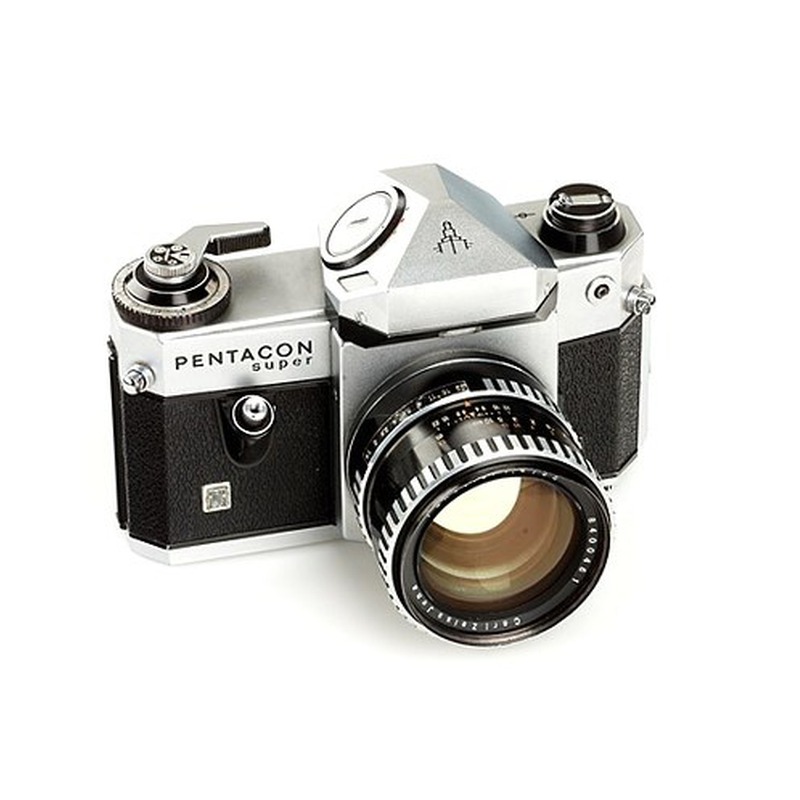
Exakta Pentacon Super
Exakta · Germany · 1966 · 135 film
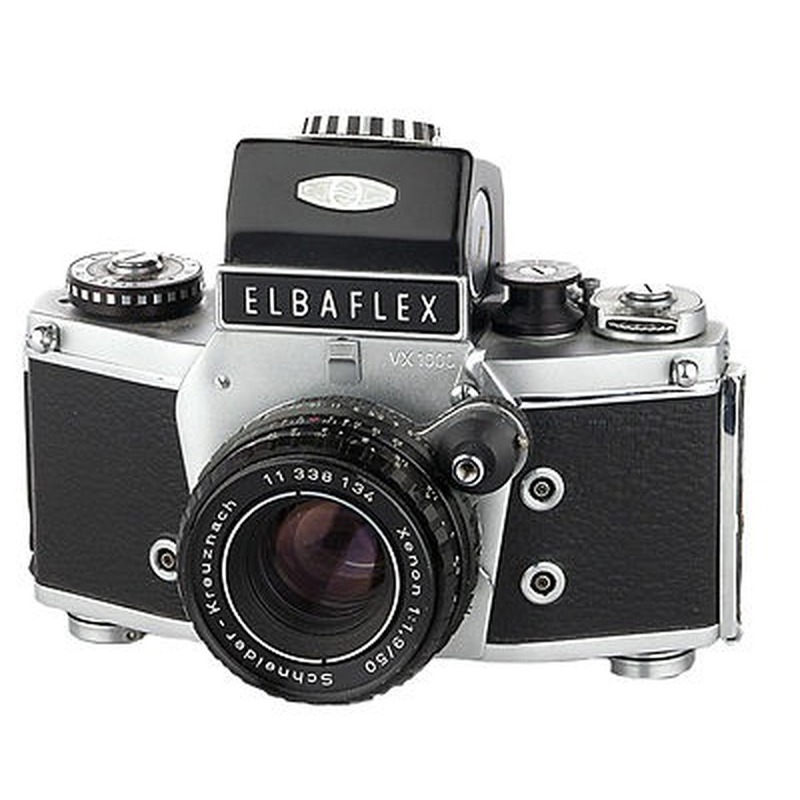
The Pentacon Super, introduced by Exakta in 1966, represents a significant chapter in mid-20th-century East German photographic engineering. As a 35mm single-lens reflex (SLR) camera, it built upon Exakta's long-standing reputation for pioneering the SLR format dating back to the 1930s. Marketed as a more affordable alternative to Western models, the Pentacon Super featured a robust, all-metal body construction typical of the era, emphasizing durability over finesse. It utilized the standardized Exakta bayonet lens mount, allowing access to a range of Pentacon and compatible East German lenses, often noted for their good optical quality despite modest manufacturing tolerances. The camera included a waist-level reflex finder with a magnifier for critical focusing and a cloth focal-plane shutter offering speeds from 1 second to 1/1000th, covering the needs of serious amateur photographers and working professionals seeking a reliable, cost-effective tool.
While not achieving the international acclaim of contemporaries like the Nikon F or Canonflex, the Pentacon Super held considerable importance within Eastern Europe and the socialist bloc. It embodied the technological capabilities of the GDR's VEB Pentacon Dresden during a period when the Cold War divided the photographic industry. Its existence alongside other Exakta variants highlights the brand's strategic shift towards maintaining market share in a competitive landscape increasingly dominated by Japanese automation. The camera served as a practical workhorse, valued for its mechanical simplicity, excellent lens system, and build quality that ensured longevity under demanding conditions, securing its place as a noteworthy, if not legendary, representative of mid-century European SLR design.
Specifications
| Film Format | 135 |
/main.jpg)
 Enjoy this museum? Support on Ko-fi