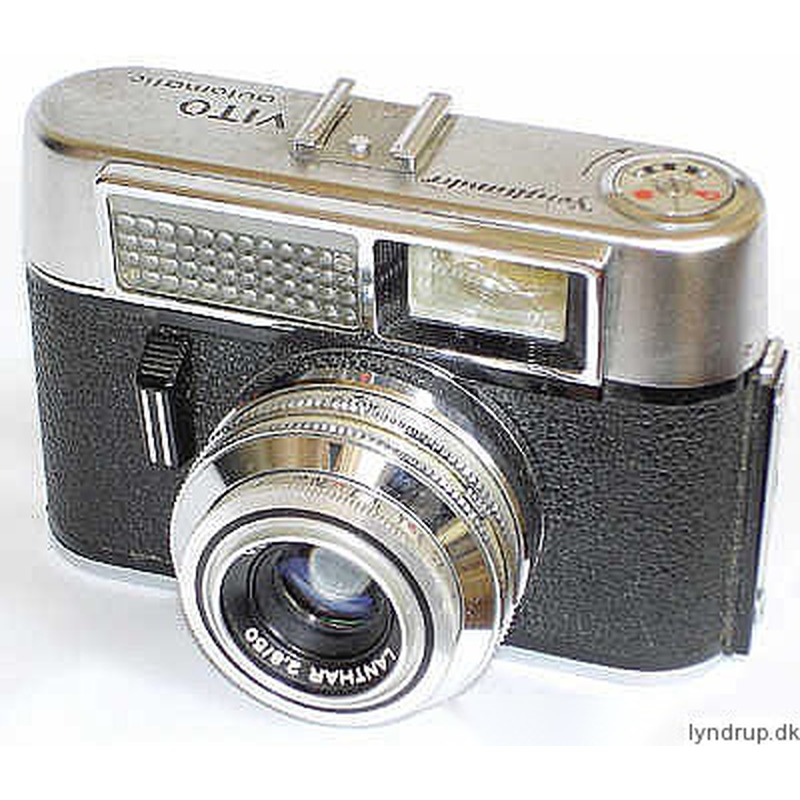
Voigtlander Vito Automatic
Voigtlander · Germany · 1961 · 135 film
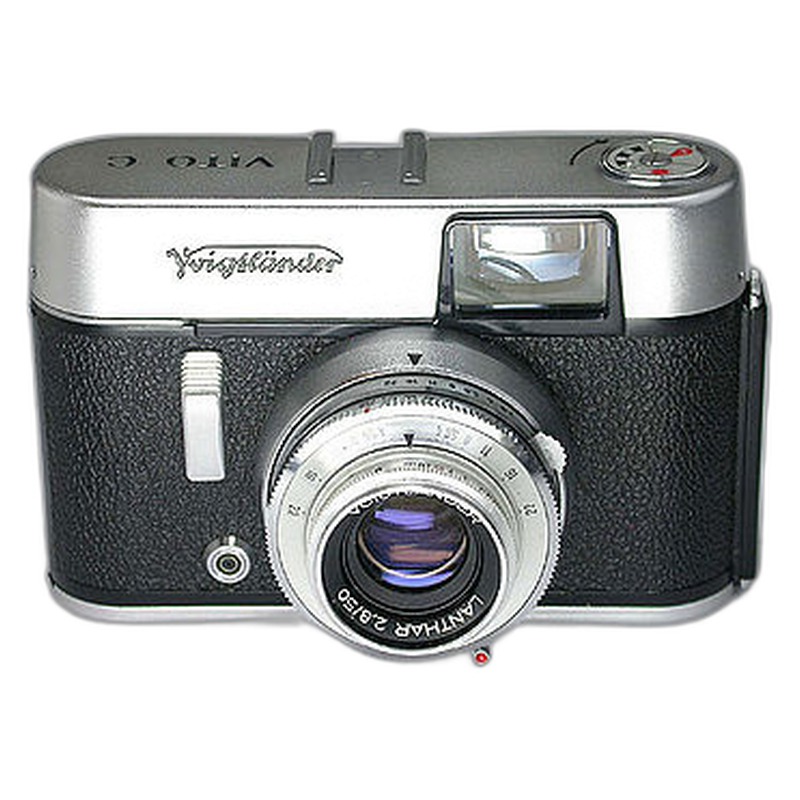
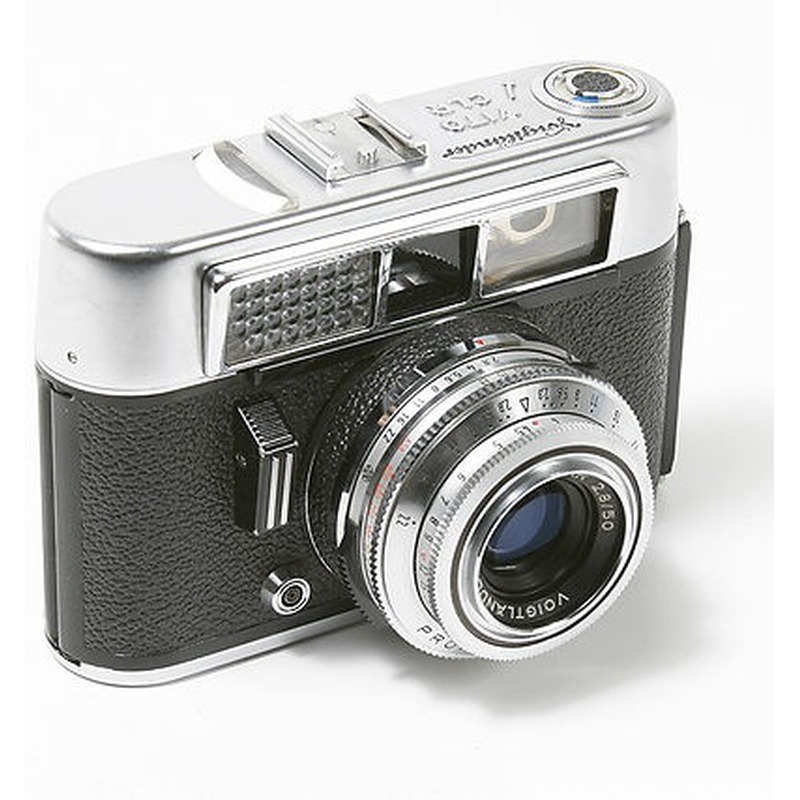
The Voigtlander Vito Automatic, introduced in 1961, represents a shift for the historically significant German optics firm towards more accessible, automation-focused 35mm cameras. Positioned as a step up from simpler models, it featured Voigtlander's excellent Color-Skopar or Lanthar lenses, delivering sharp images typical of the brand. Its key innovation was the integration of a selenium meter coupled with automatic exposure control. Pointing the selenium cell around the subject frame allowed the camera to automatically set the correct shutter speed based on the selected aperture, simplifying exposure for users unfamiliar with manual exposure calculations. This automation was a significant feature for its time, placing it alongside contemporary automation pioneers like the Canonet QL17. Encased in a compact, black leatherette body with distinctive top plate styling, it offered a robust, practical solution for photographers seeking reliable results without complex adjustments.
Compared to Voigtlander's earlier rangefinder icons like the Vito II or the Vitessa, the Vito Automatic marked a deliberate move towards a simplified, fixed-lens (non-rangefinder) point-and-shoot experience. It lacked the rangefinder coupling and interchangeable lens capabilities of its more sophisticated predecessors, focusing instead on automation and ease of use. This direction aligns with the broader market trends of the late 1950s and early 1960s, where automation became a key selling point for consumer and semi-pro 35mm cameras. While not achieving the legendary status of some contemporaries, the Vito Automatic secured Voigtlander a solid position in the competitive mid-tier market by blending German optical quality with practical automation.
Specifications
| Film Format | 135 |
/main.jpg)
 Enjoy this museum? Support on Ko-fi