Pricing
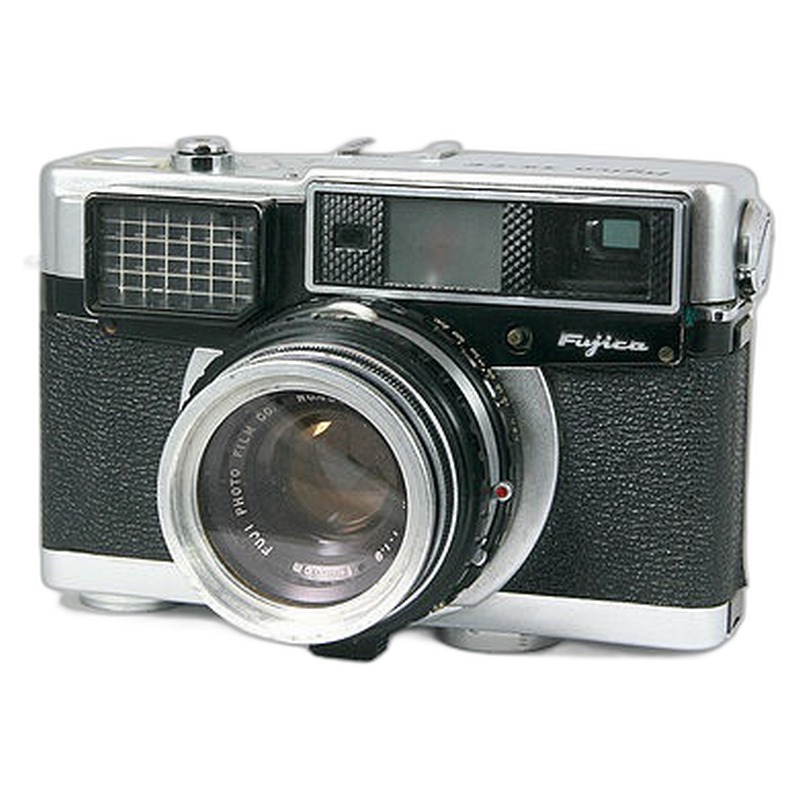
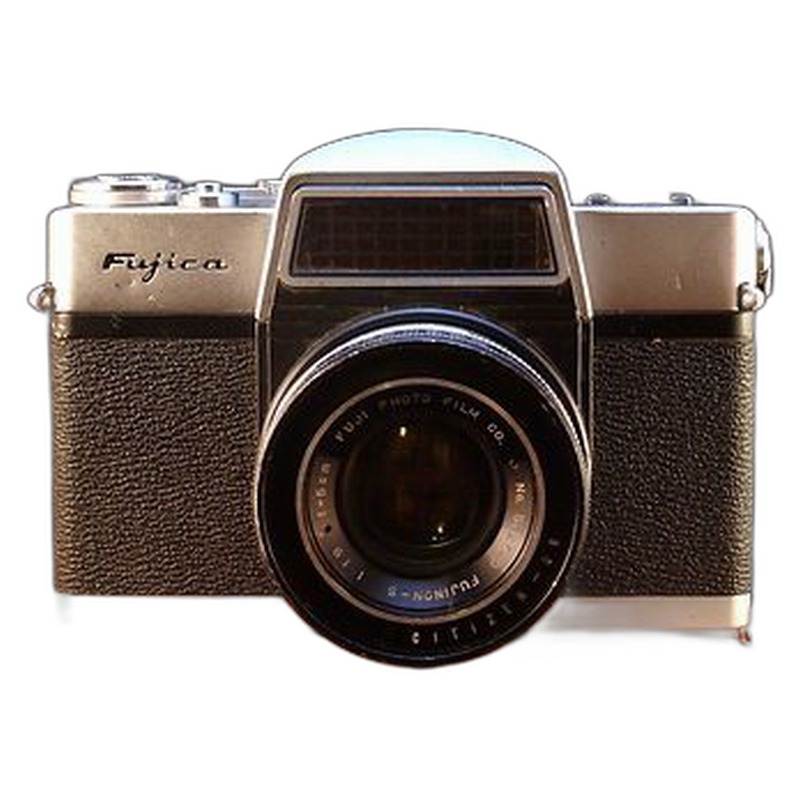
Fujifilm Fujica 35 EE
Fujifilm · Japan · 1961 · 135 film
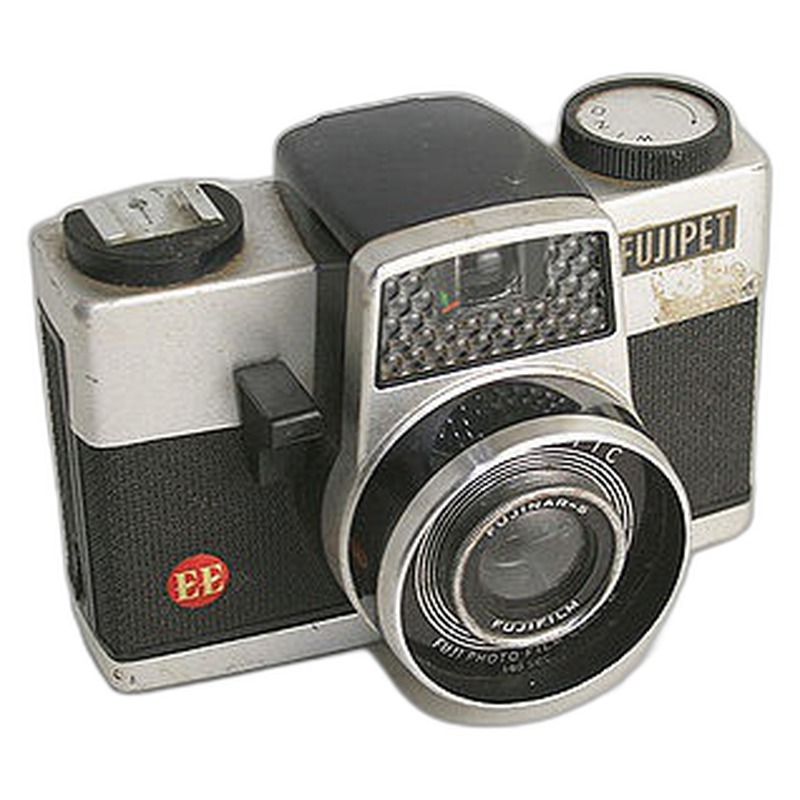
The Fujica 35 EE represents Fujifilm's significant entry into the burgeoning 35mm consumer camera market in the early 1960s. As a fixed-lens viewfinder camera, it offered straightforward operation for snapshot photography, targeting the mass market rather than advanced enthusiasts. Characteristic of its era and intended purpose, it featured a selenium-cell light meter coupled to an automatic exposure system (as indicated by "EE"), allowing users to simply point and shoot without manual adjustments. Its design followed the conventional compact rangefinder aesthetic of the period, prioritizing accessibility and affordability over technical sophistication or robust construction, utilizing a combination of metal and plastic components typical for its class and price point. The camera exemplifies the practical, utilitarian approach Japanese manufacturers like Fujifilm took to popularize 35mm photography, focusing on reliable performance for everyday use rather than groundbreaking innovation.
Fujifilm leveraged the Fujica 35 EE as a foundational product, helping establish their brand presence in the Western market where competing fiercely with established giants like Canon and Nikon was crucial. While not technologically revolutionary, its successful production run provided essential revenue and experience, indirectly contributing to the development of more complex Fujica models later in the decade. Its existence underscores the period where automatic exposure became a key driver of consumer adoption, moving 35mm from a specialized realm into mainstream hands. The camera remains a representative example of a competent, affordable Japanese viewfinder camera from the early 1960s, fulfilling its function reliably within the constraints of its design and target audience.
Specifications
| Film Format | 135 |
 Enjoy this museum? Support on Ko-fi