Pricing
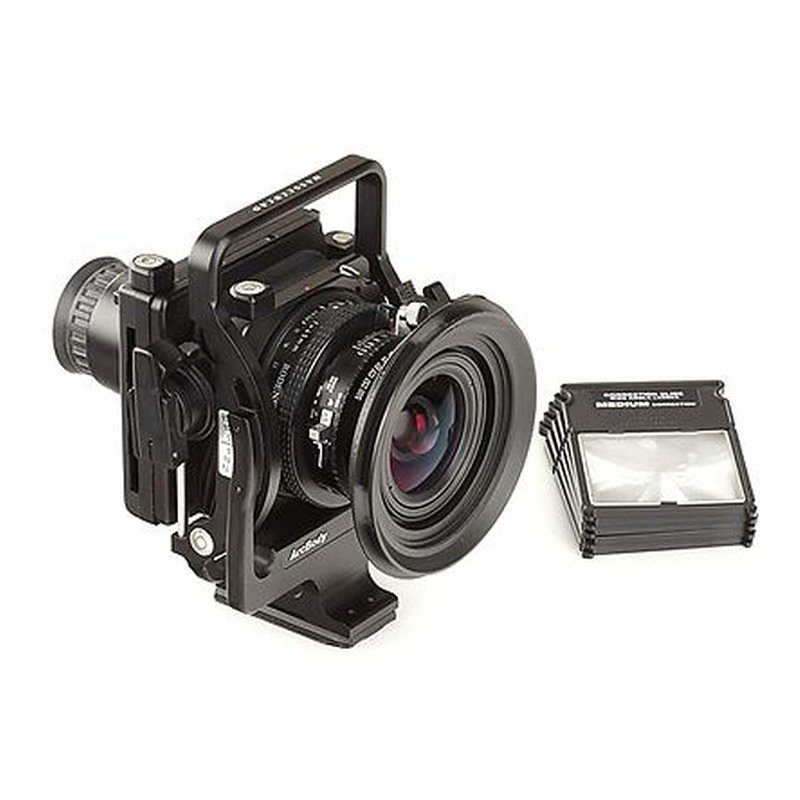
Hasselblad ArcBody Prototype
Hasselblad · Sweden · 1997 · 120 film
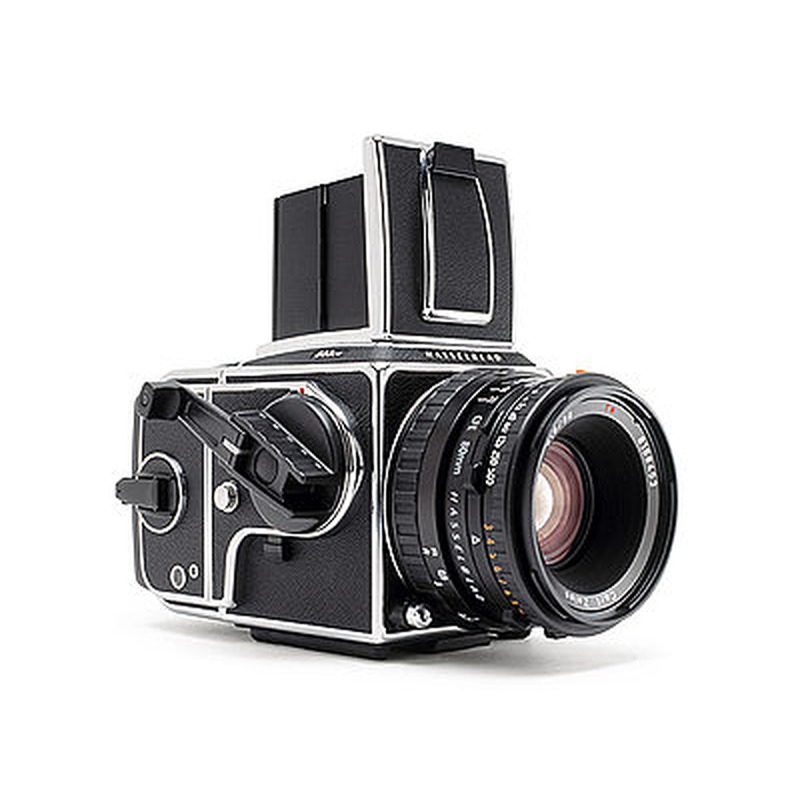
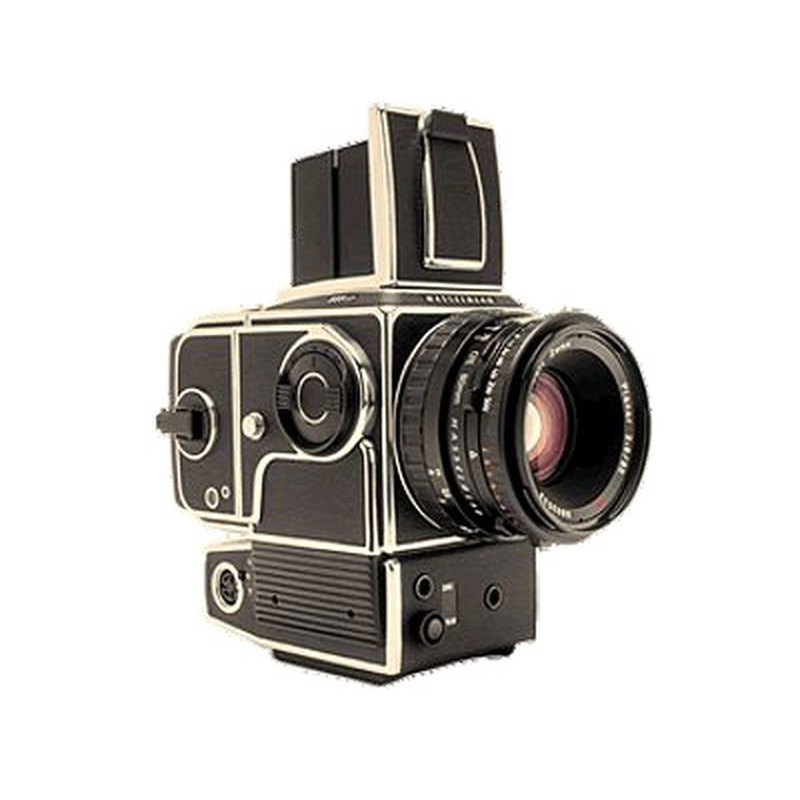
The ArcBody Prototype, introduced by Hasselblad in 1997, represents a bold experimental venture into modular medium format photography. Designed as a testbed for a new system architecture, it departed significantly from Hasselblad's traditional square-bodied, leaf-shutter SLR designs. The prototype embodied a streamlined, rectangular body with an emphasis on modularity and potential integration with digital backs, a forward-looking concept at the dawn of the digital era in medium format. Its core innovation lay in its physical design and internal framework, intended to accommodate various components and focal planes with greater flexibility than existing V-system or C-series models, though it never progressed beyond the prototype stage. This camera was primarily an engineering exercise and design statement, showcasing Hasselblad's exploration of form and function for a next-generation medium format platform that ultimately did not reach commercial production.
While technically sophisticated and crafted to the brand's high standards, the ArcBody Prototype remains a footnote in Hasselblad history, lacking the widespread adoption or legendary status of their production cameras. It served a crucial R&D purpose, informing aspects of later Hasselblad systems, particularly in its ergonomic considerations and modular philosophy. Its significance lies in its representation of a deliberate, forward-looking design direction pursued by the company during a period of transition, rather than any specific feature set or impact on photographic practice. Few examples are known to exist, making it a rare piece of Hasselblad development history rather than a widely influential camera.
Specifications
| Film Format | 120 |
/main.jpg)
 Enjoy this museum? Support on Ko-fi