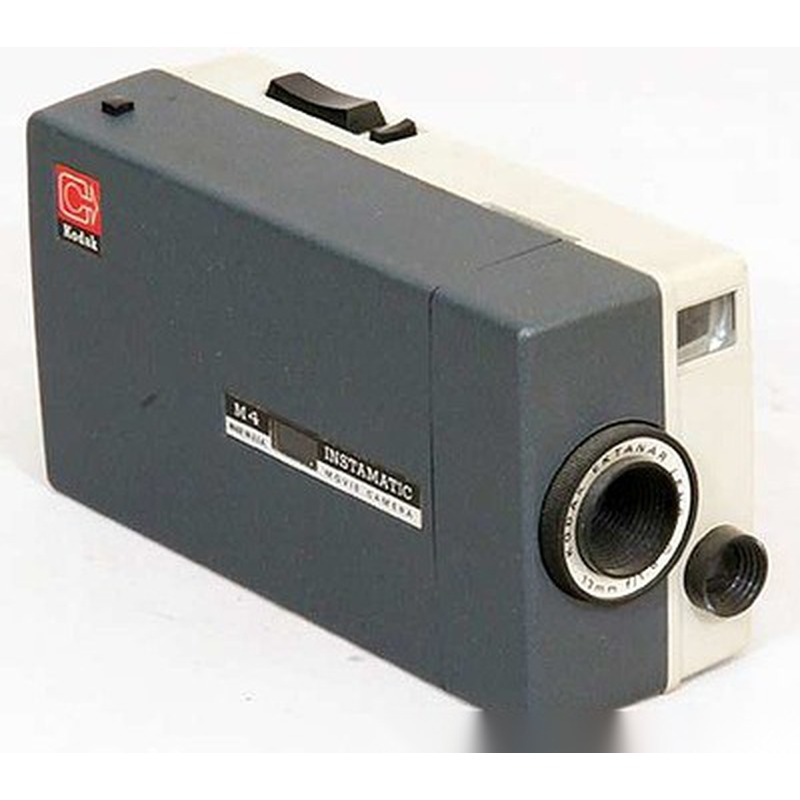
Kodak Instamatic M4
Kodak · USA · 1965–1967 (2 years) · 126 film
The Instamatic M4 represents a key product in Kodak's immensely successful Instamatic series, launched to capitalize on the 126 cartridge format introduced alongside the iconic Instamatic 100. Positioned as a step-up model within the basic M line, it retained the core attributes of accessibility and simplicity that defined the Instamatic phenomenon: fixed-focus lens, simple shutter speeds, and flash synchronization, primarily utilizing Kodak's Magicube flash cubes. Its significance lies not in groundbreaking innovation but in solidifying the consumer snapshot camera market. The M4 exemplifies Kodak's strategy of offering incremental variations to maintain consumer interest across different price points, further popularizing casual photography and the 126 format during the mid-1960s transition from 35mm roll film. It embodied the era's push towards effortless picture-taking for the masses.
While sharing the fundamental Instamatic DNA of point-and-shoot ease, the M4 offered slightly more than the very basic models, such as potentially having a slightly brighter lens or more refined viewfinder, though details on specific variations are scarce. Its construction was typical of the era's budget cameras: primarily plastic, lightweight, and functional rather than robust. It perfectly captured the zeitgeist of Kodak's dominance in the amateur photography market before the rise of Japanese manufacturers. The M4 served as a reliable, affordable tool for countless families to document everyday moments, making it a representative, if unremarkable, artifact of 1960s snapshot culture.
Specifications
| Film Format | 126 |
/main.jpg)
 Enjoy this museum? Support on Ko-fi