Pricing
Houghton Tudor
Houghton · UK · 1905–1908 (3 years) · 135 film
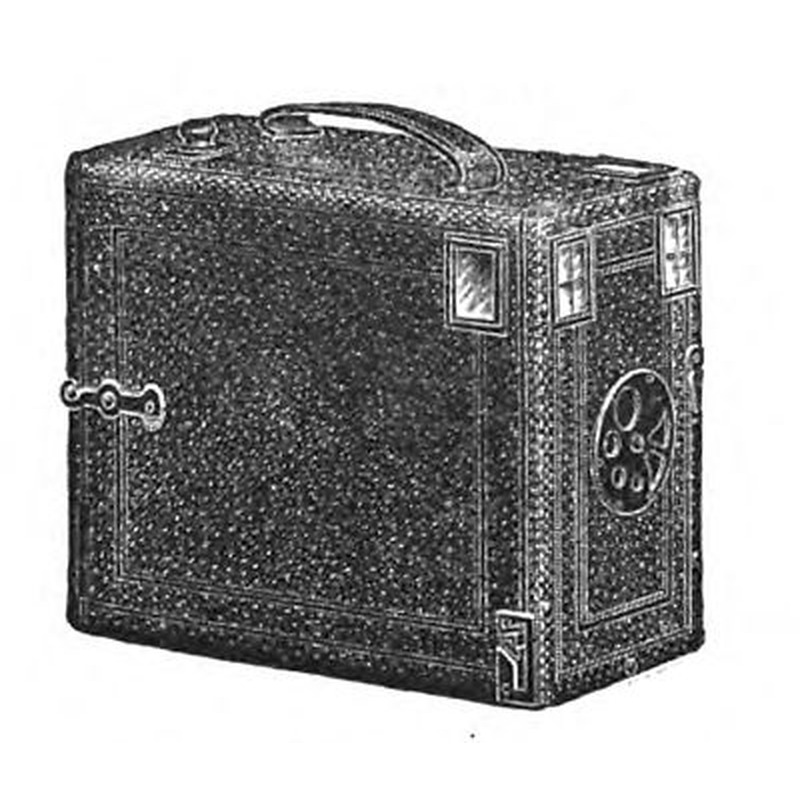
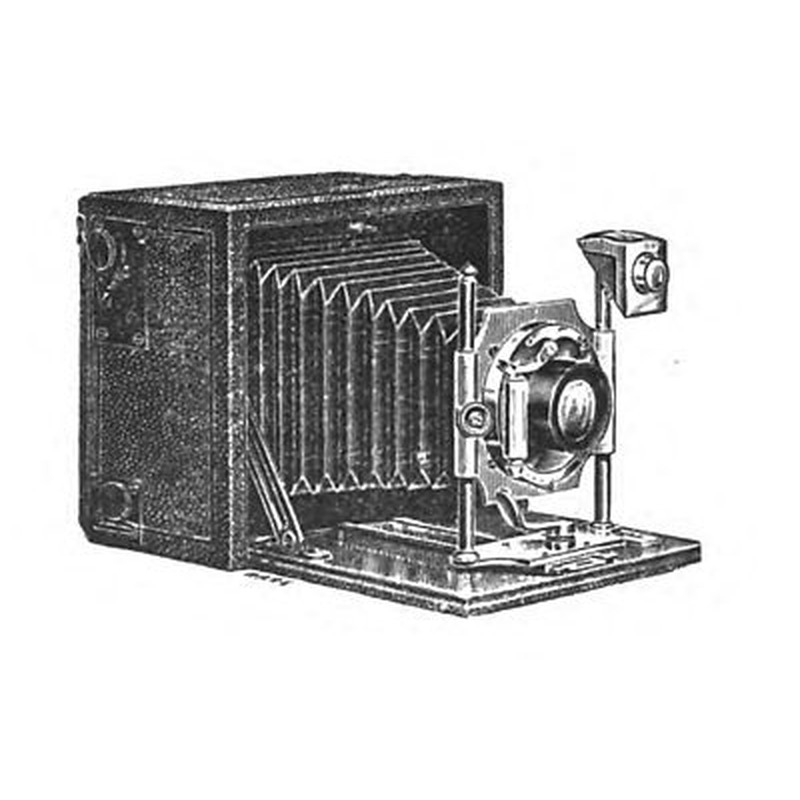
The Tudor by Houghton, produced between 1905 and 1908, holds a significant place as one of the very earliest cameras designed to use 35mm motion picture film. While pre-dating the famous Leica I by over a decade, the Tudor represents an important, albeit lesser-known, step towards the popularization of the 35mm format for still photography. Its emergence during the Edwardian era places it firmly within an experimental period for miniature cameras, reflecting Houghton's innovation in adapting cinema film for still-image capture. This period saw several manufacturers exploring smaller formats before Leica's commercial success established 35mm as the standard for miniature cameras.
As a camera utilizing 135 format film – the designation applied later to 35mm still photography – the Tudor offered a compact alternative to the bulky plate and roll-film cameras prevalent at the time. While specific design details are scarce in the provided information, its production by Houghton, a respected British optical company of the era, suggests a well-engineered but likely relatively simple and functional body. It represents a pioneering effort, demonstrating the feasibility and potential of using thin, perforated film for handheld still photography, even if its impact on the wider market was ultimately overshadowed by subsequent landmark designs like the Leica.
Specifications
| Film Format | 135 |
/main.jpg)
 Enjoy this museum? Support on Ko-fi