Pricing
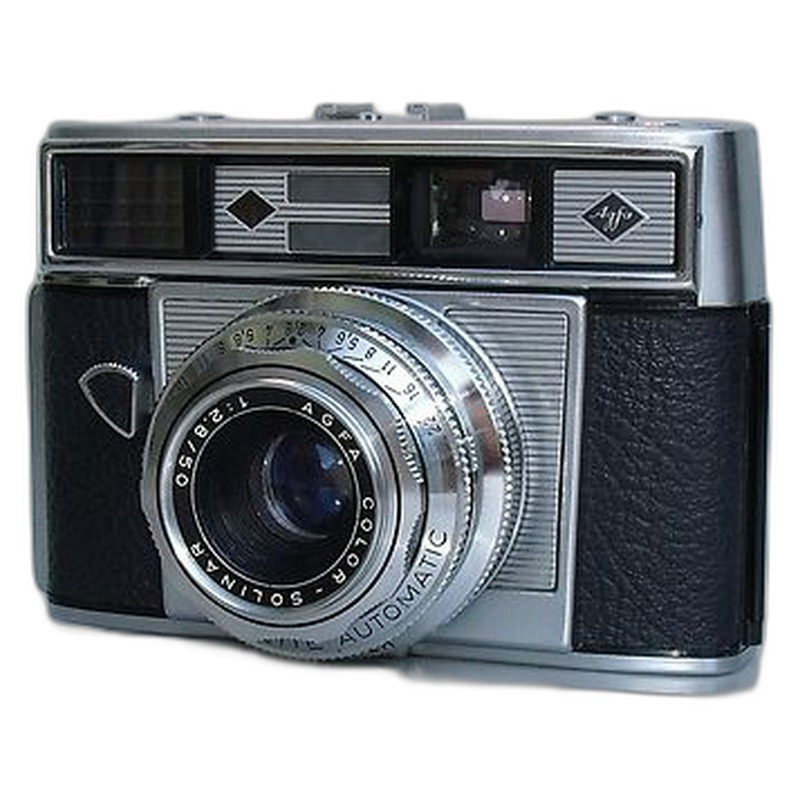
Agfa Super Silette Automatic
Agfa · Germany · 1959 · 135 film
The Agfa Super Silette Automatic represents a significant step in mid-range 35mm automation during the late 1950s. As part of Agfa's established Silette series, positioned above the basic Silette but below the premium Isolette models, this camera aimed to bring convenient automatic exposure control to serious amateurs. Introduced in 1959, it utilized an early selenium cell exposure meter coupled to a simple automatic aperture priority system. The photographer set the desired shutter speed, and the camera automatically selected the correct aperture based on the light reading, simplifying exposure decisions compared to fully manual counterparts. Its design followed typical German craftsmanship of the era, featuring a robust die-cast body, smooth film transport, and a sharp Agfa Solinar or Isconar lens, known for good resolution and contrast. This model exemplified the period's shift towards user-friendly automation within the 35mm market.
While not groundbreaking in the manner of landmark cameras, the Super Silette Automatic was a competent and well-regarded camera offering reliable performance and build quality for its intended market segment. Its automatic exposure system, though not the first, made accurate exposures more accessible to a wider audience accustomed to box cameras or basic 35mm models. Agfa's reputation for optical quality ensured that its standard lenses delivered excellent image quality for the time, making it a practical choice for photographers seeking good results with less technical fuss. It stands as a representative example of late-1950s European mid-range camera engineering and design philosophy.
Specifications
| Film Format | 135 |
/main.jpg)
/main.jpg)
/main.jpg)
 Enjoy this museum? Support on Ko-fi