Pricing
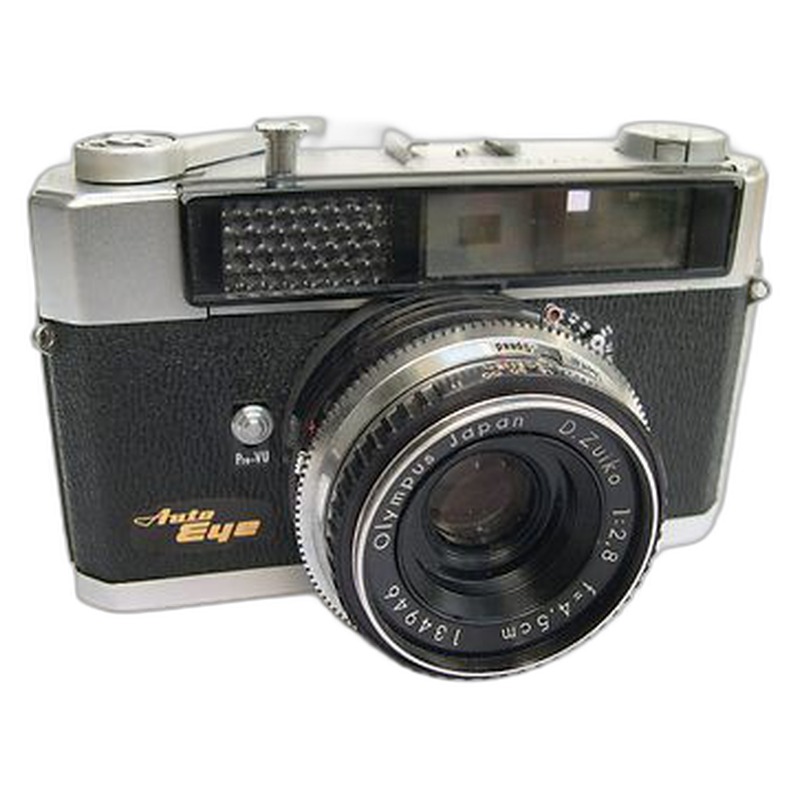
Olympus Auto Eye
Olympus · Japan · 1960–1963 (3 years) · 135 film
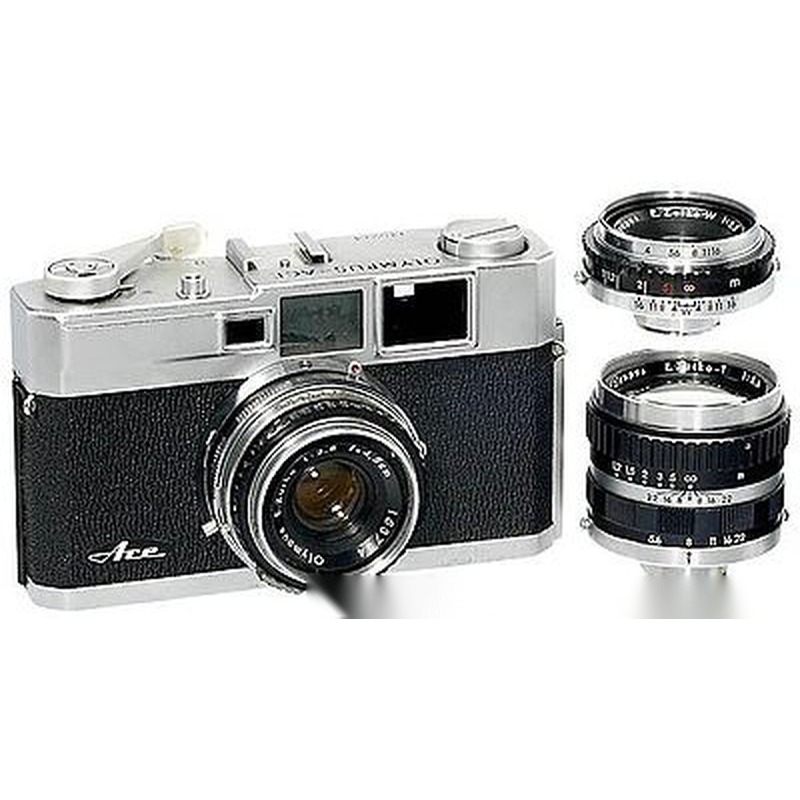
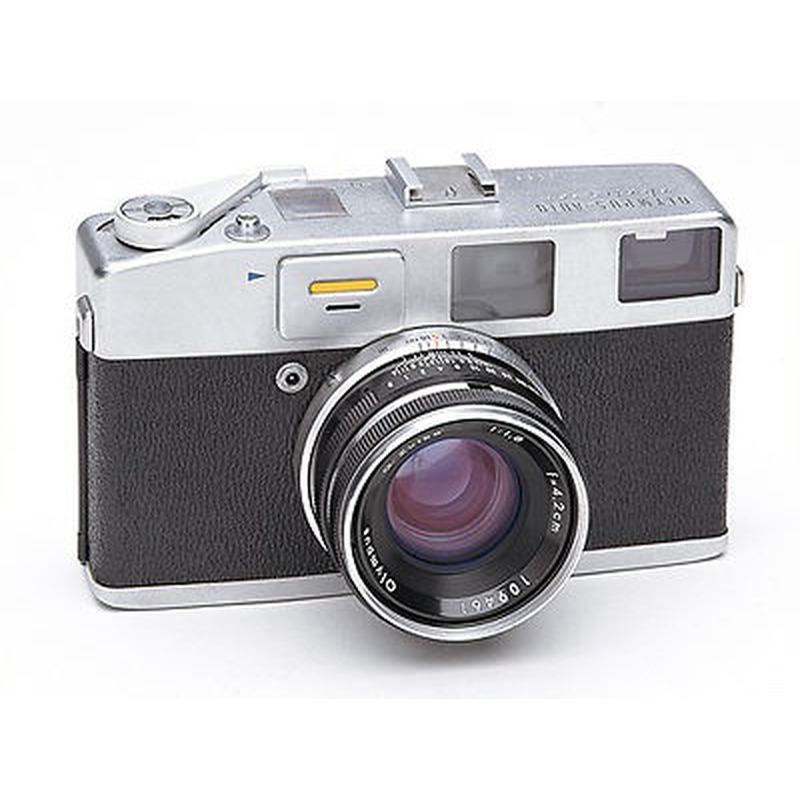
The Olympus Auto Eye was an early attempt at simplifying 35mm photography for amateur users during 1960-1963. Designed as a compact, fixed-lens camera, its primary innovation was an automatic exposure system, likely selenium cell coupled, that eliminated the need for manual exposure calculations. This aimed to make point-and-shoot photography more accessible. Its design followed the typical mid-century aesthetic of Olympus consumer cameras, featuring a simple rangefinder viewfinder and a robust but basic construction suitable for everyday use. As a product of Olympus's expansion beyond the Pen series, it represented the company's push into more automated, user-friendly segments of the 35mm market before the era of sophisticated SLRs.
While pioneering automatic exposure for Olympus 35mm cameras, the Auto Eye remained a straightforward, functional tool rather than a technological landmark. Its fixed lens (likely a triplet or simple Tessar-type) and limited features kept it firmly in the consumer category. It lacked the advanced mechanics or iconic design elements that define truly significant cameras. Its significance lies more in being a practical, affordable solution for casual photographers of the era than in any groundbreaking impact on photographic history. It competes with other basic fixed-lens automatics of the period rather than altering the photographic landscape.
Specifications
| Film Format | 135 |
/main.jpg)
 Enjoy this museum? Support on Ko-fi