/main.jpg)
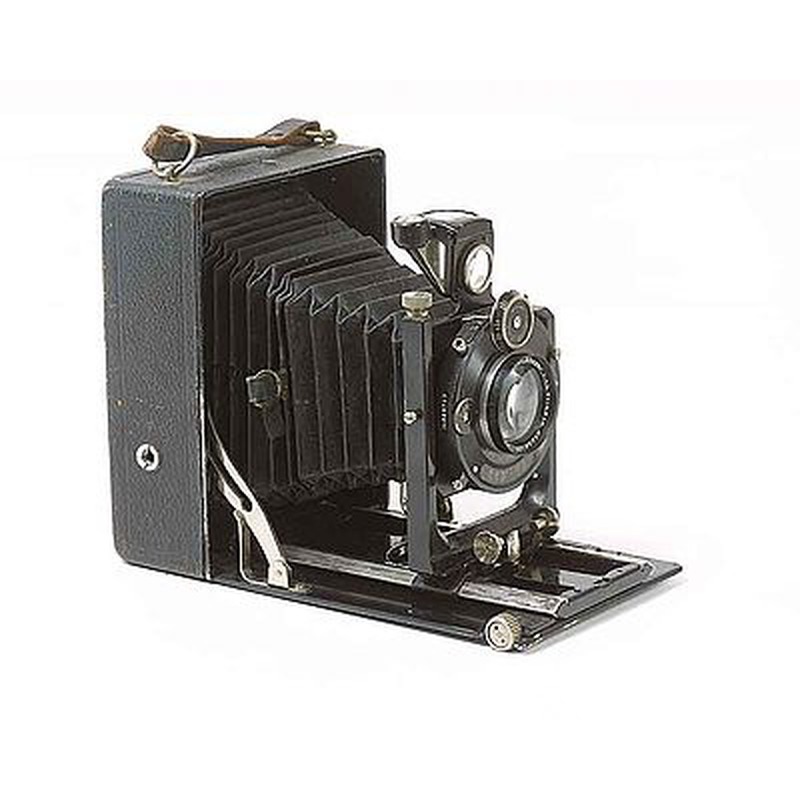
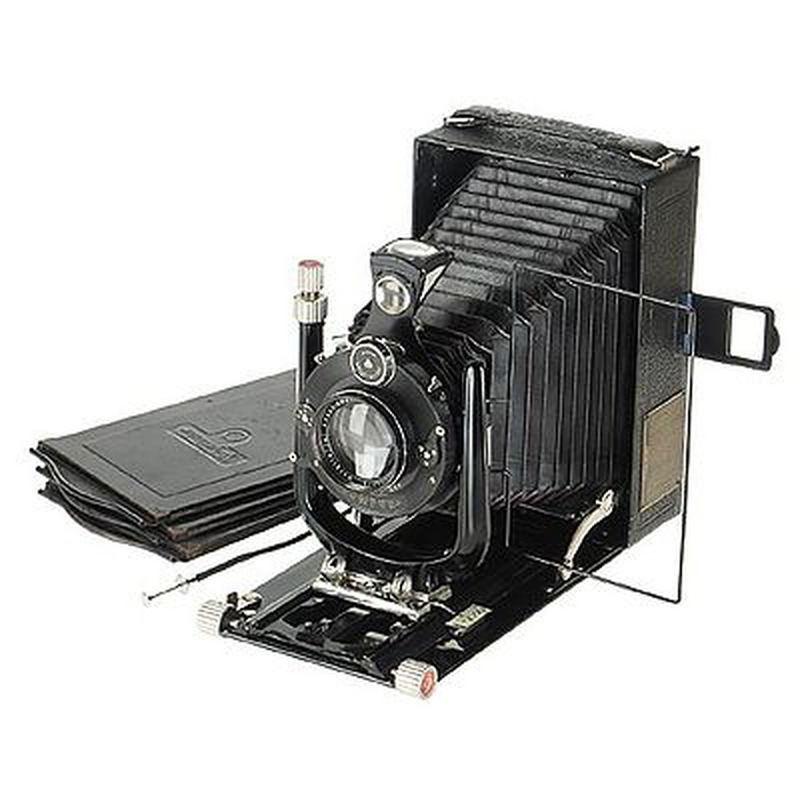
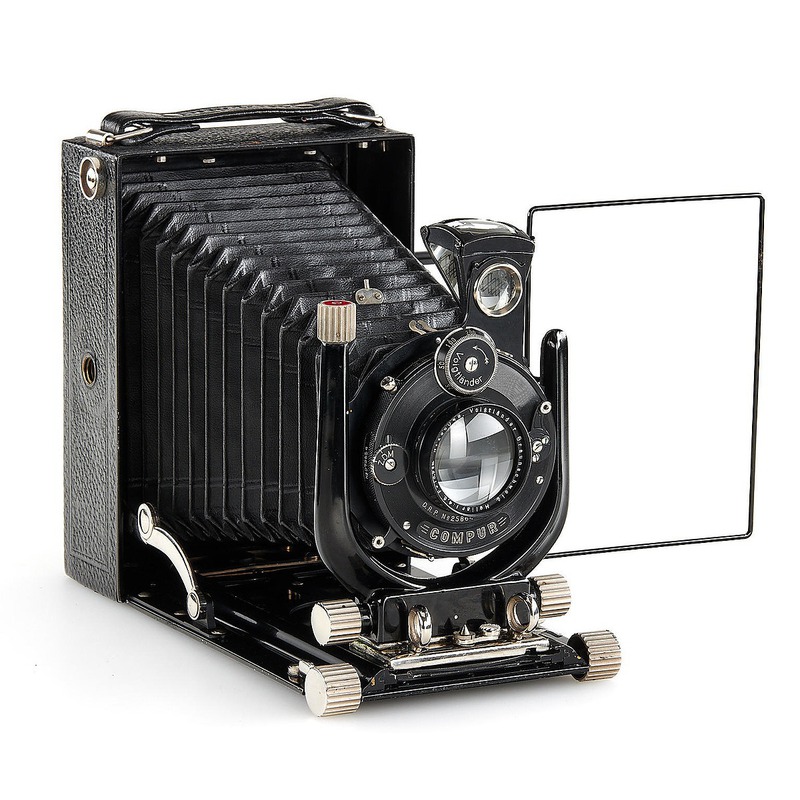
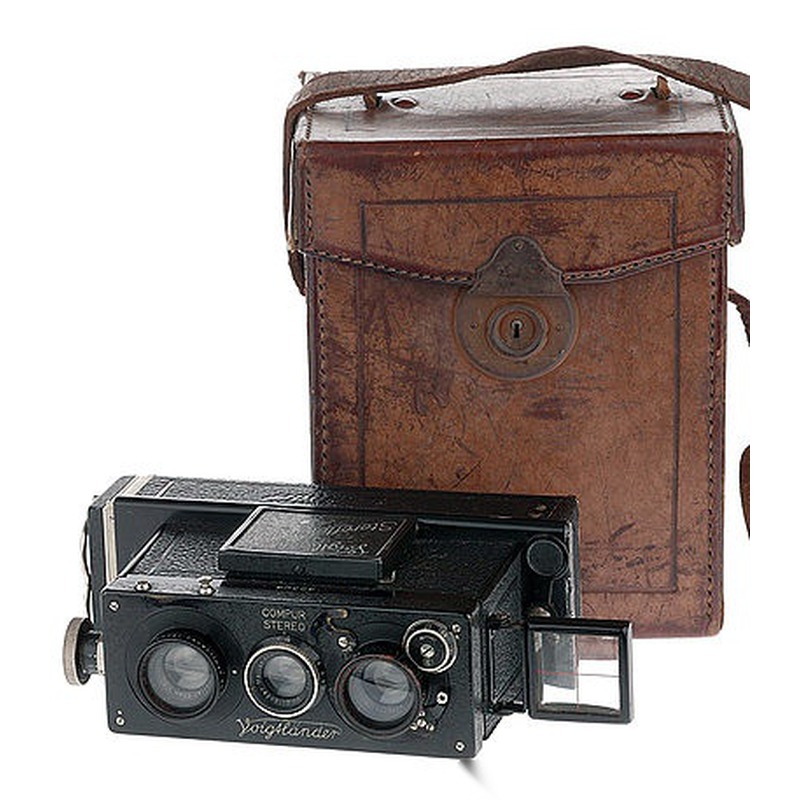
Voigtlander Spiegelreflex camera (Mirror Reflex, 1916)
Voigtlander · Germany · 1916–1925 (9 years) · 135 film
The Voigtlander Spiegelreflex camera, introduced in 1916, represents an important milestone in the evolution of single-lens reflex technology and 35mm photography. Produced by Voigtlander, one of the world's oldest optical companies, this innovative camera featured a mirror-based viewing system that allowed photographers to see exactly what the lens would capture—a significant advantage over earlier cameras. Remarkably, it utilized the 135 format (standard 35mm) nearly a decade before the famous Leica I would popularize this format, demonstrating Voigtlander's forward-thinking approach that would help establish the eventual standard for photography.
As one of the first cameras to successfully miniaturize photographic equipment while maintaining a reflex viewing system, the Spiegelreflex showed that professional-quality photography could be achieved with more portable equipment. Its production run until 1925 indicates it was a commercially viable product that found a place in the market alongside larger format cameras still dominant in the early 20th century. This pioneering work by Voigtlander contributed to the groundwork that would eventually lead to the 35mm revolution of the 1930s and beyond, though it remains somewhat overshadowed by later iconic models.
Specifications
| Film Format | 135 |
/main.jpg)
/main.jpg)
 Enjoy this museum? Support on Ko-fi