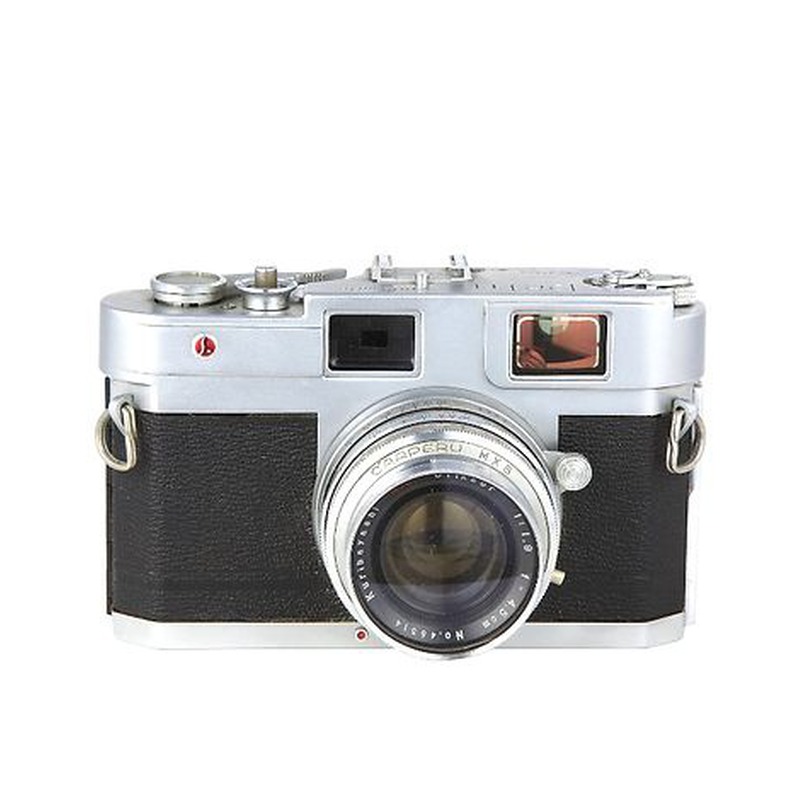
Petri Automat
Petri · Japan · 1956 · 135 film
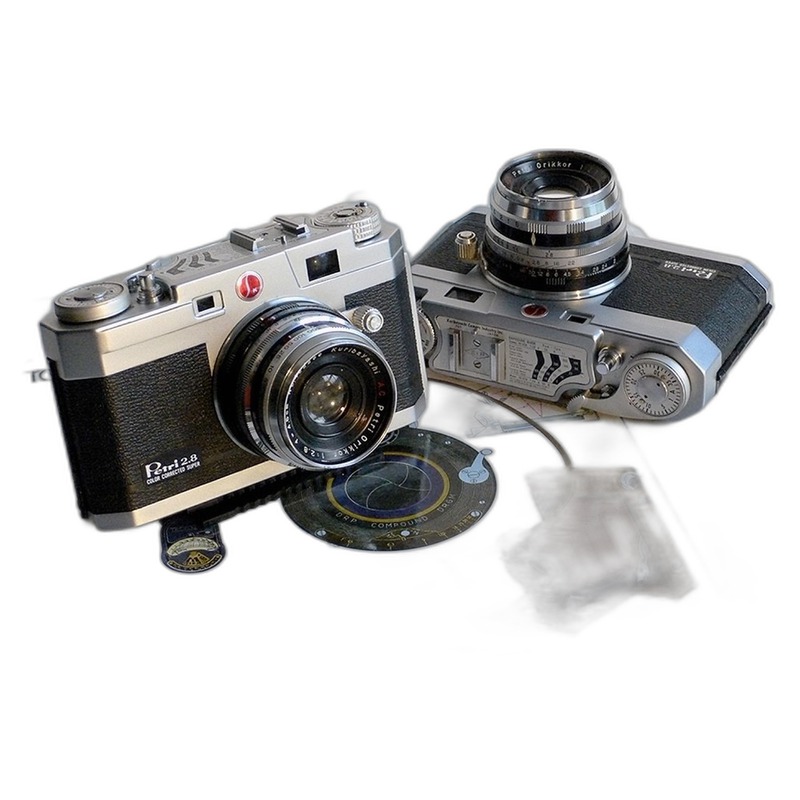
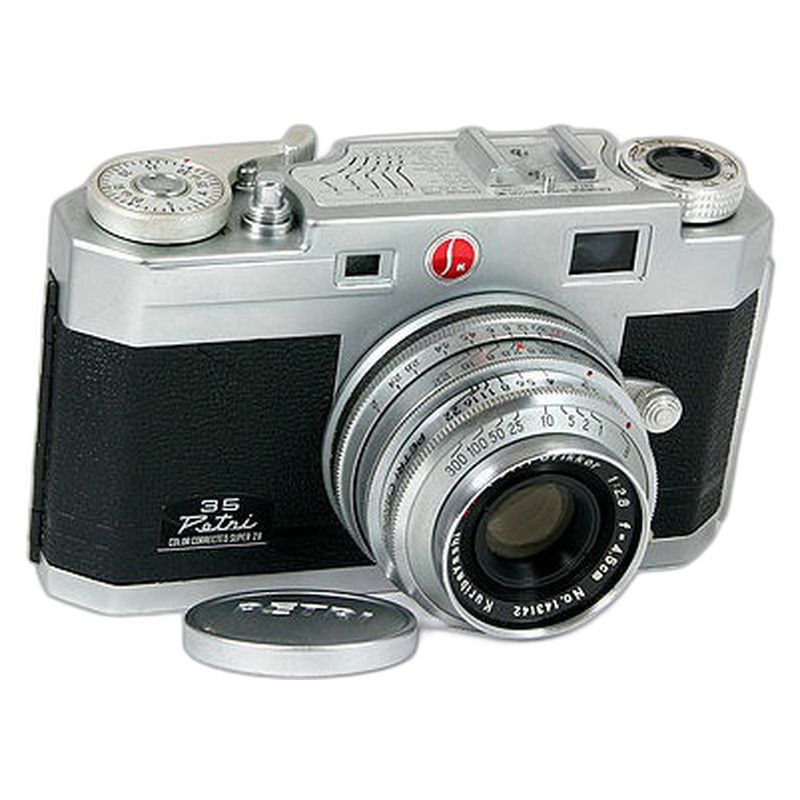
Introduced in 1956, the Petri Automat represents a solid, mid-range entry into the burgeoning Japanese 35mm market during the post-war era. Designed by Petri, a company known for producing competent and affordable cameras, the Automat was aimed at serious photography enthusiasts who desired a reliable film camera without the premium cost of European brands. It utilized the standardized 135 (35mm) film format, placing it alongside popular models from contemporaries like Canon and Yashica. Characterized by its straightforward functionality, the Automat featured typically a coupled rangefinder for precise focusing and offered various shutter speeds and aperture controls, reflecting the manual operations standard for its time. Its construction was generally robust for its price point, utilizing metal bodies and straightforward mechanics aimed at durability for regular use.
While not distinguished by radical technological leaps, the Petri Automat holds significance as a representative example of the capable Japanese cameras that helped democratize 35mm photography in the mid-1950s. It filled the gap between simple box cameras and sophisticated professional equipment, providing enthusiasts with a well-built, user-friendly tool. The name "Automat" often hinted at features like automatic film loading or frame counters, common advancements of the period to improve user convenience. As part of Petri's lineup alongside models like the Petri 7S, the Automat contributed to the company's reputation for delivering reliable, good value cameras that helped establish Japan as a major force in the photographic industry during this transformative decade.
Specifications
| Film Format | 135 |

 Enjoy this museum? Support on Ko-fi