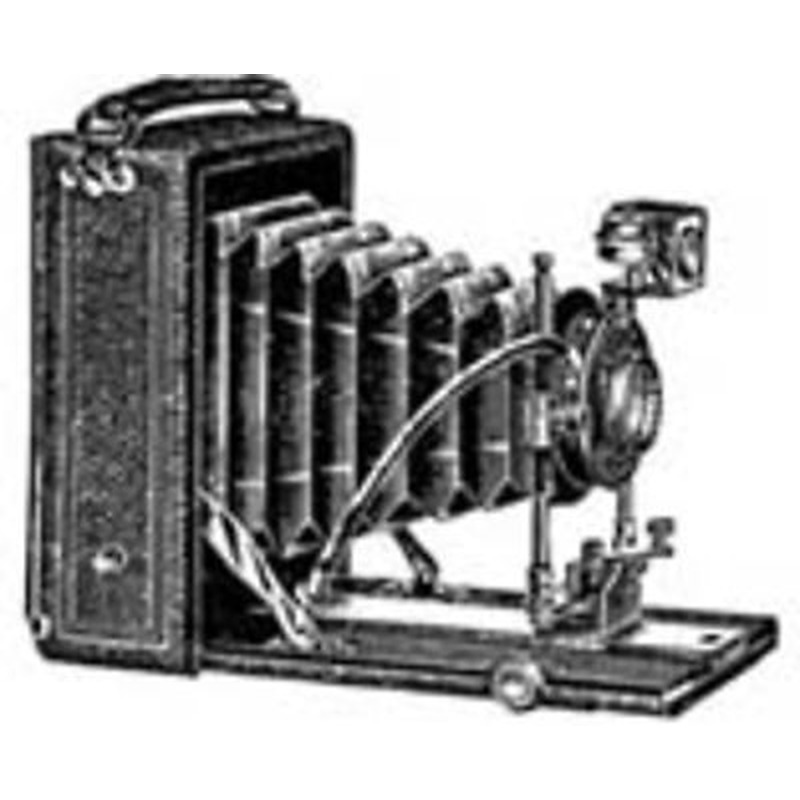
Konica Idea A
Konica · Japan · 1920–1924 (4 years) · 135 film
Produced between 1920 and 1924, the Konica Idea A holds a notable place as the company's first foray into the 35mm format during a period when this film size was still finding its footing as a viable system for serious photography. As one of the earliest Japanese 35mm cameras, the Idea A was a compact, minimalist device built around a simple body, likely featuring a fixed or limited range lens and a basic shutter mechanism, designed to offer an accessible entry into small-format photography. Its significance lies in Konica's early commitment to developing 35mm technology at a time when this format was predominantly associated with European pioneers like Leica, contributing to the diversification of camera manufacturers in the nascent era of miniature photography. While technically unassuming by later standards, its production marked a step in Konica's evolution towards becoming a major camera maker.
The camera's basic character is one of practicality and simplicity, reflecting the experimental nature of 35mm photography in the early 1920s. Targeted at a niche audience of early adopters and enthusiasts interested in portable cameras, the Idea A prioritized compactness and affordability over sophisticated features. Its construction was likely straightforward, utilizing common materials for the era. Surviving examples, though scarce today, offer a tangible link to a formative period in camera history, showcasing the essential design principles that would later be refined in more complex 35mm models. It represents a foundational, rather than revolutionary, piece in Konica's legacy and the broader story of miniature camera development.
Specifications
| Film Format | 135 |
/main.jpg)
 Enjoy this museum? Support on Ko-fi